When the Office of Management and Budget stopped following a law that requires them to publicly share how the White House is using federal taxpayer dollars, we sued and forced them to restore the data.
Stopping the Consolidation of Power
our work
We work to prevent unchecked power, defend the rule of law, and protect the right to dissent.
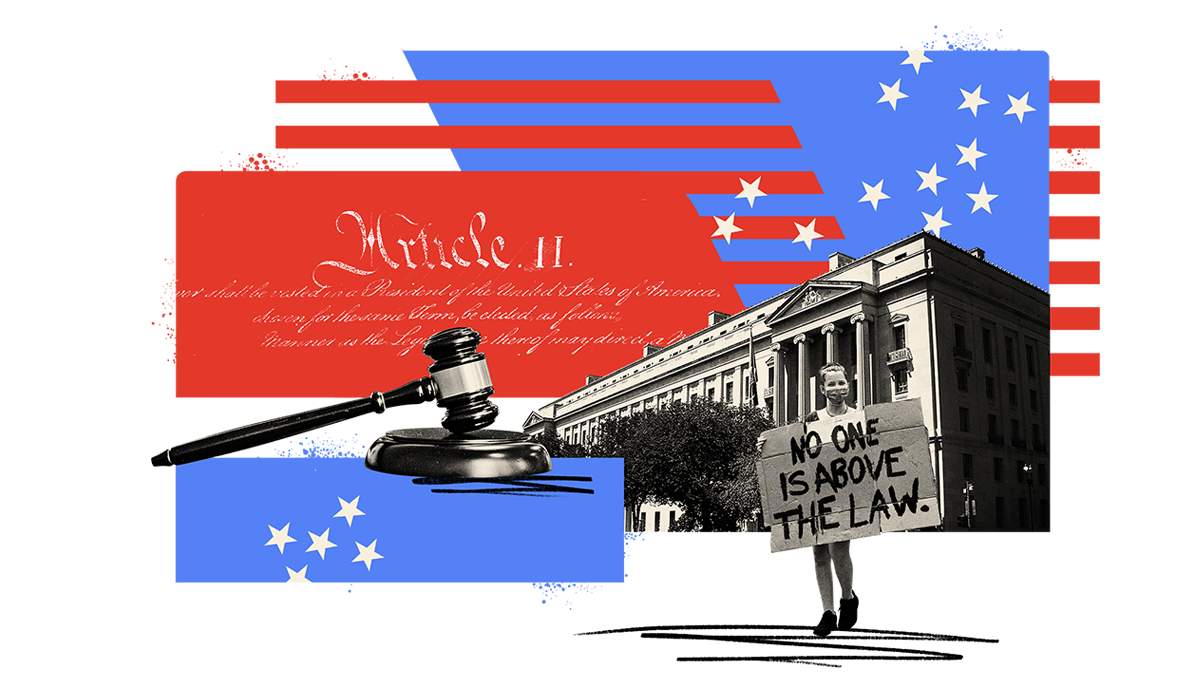
The United States must maintain three co-equal branches of government, each with their own responsibilities.
Would-be authoritarians often abuse their power, using it to eliminate checks and balances, quash dissent, target already marginalized communities, and deepen political divisions.
The Constitution and the laws we have built around it provide tools to constrain authoritarian behavior — but many of the norms and guardrails that help define our democracy are not written into law and are not self-enforcing. Together these restraints must be deployed (and strengthened) to prevent the executive branch from abusing its power and to ensure the law applies equally to everyone, from the most powerful to the least.
- Uphold the principle that nobody is above the law.
- Ensure meaningful checks and balances on executive power.
- Stop abuses that target marginalized groups and their ability to participate in democracy.
- Protect the ability of the public and the press to voice dissenting views.
- Protect independent, non-politicized law enforcement and civil servant workforces.
Restoring OMB data
Pushing for universal constitutional remedies
We are working with legislators in a number of states on legislation that would allow people to sue any official — federal, state, or local — who violates their constitutional rights.
Related News & Resources
-

The dangers of military intervention in civilian law enforcement
- Stopping the Consolidation of Power
- Research & Analysis
- Reports
-

Safeguarding the role of America’s military lawyers
- Stopping the Consolidation of Power
- Research & Analysis
- White Papers
-
Defending the media against FCC censorship
- Stopping the Consolidation of Power
- Legislation & Policy
- Litigation
-
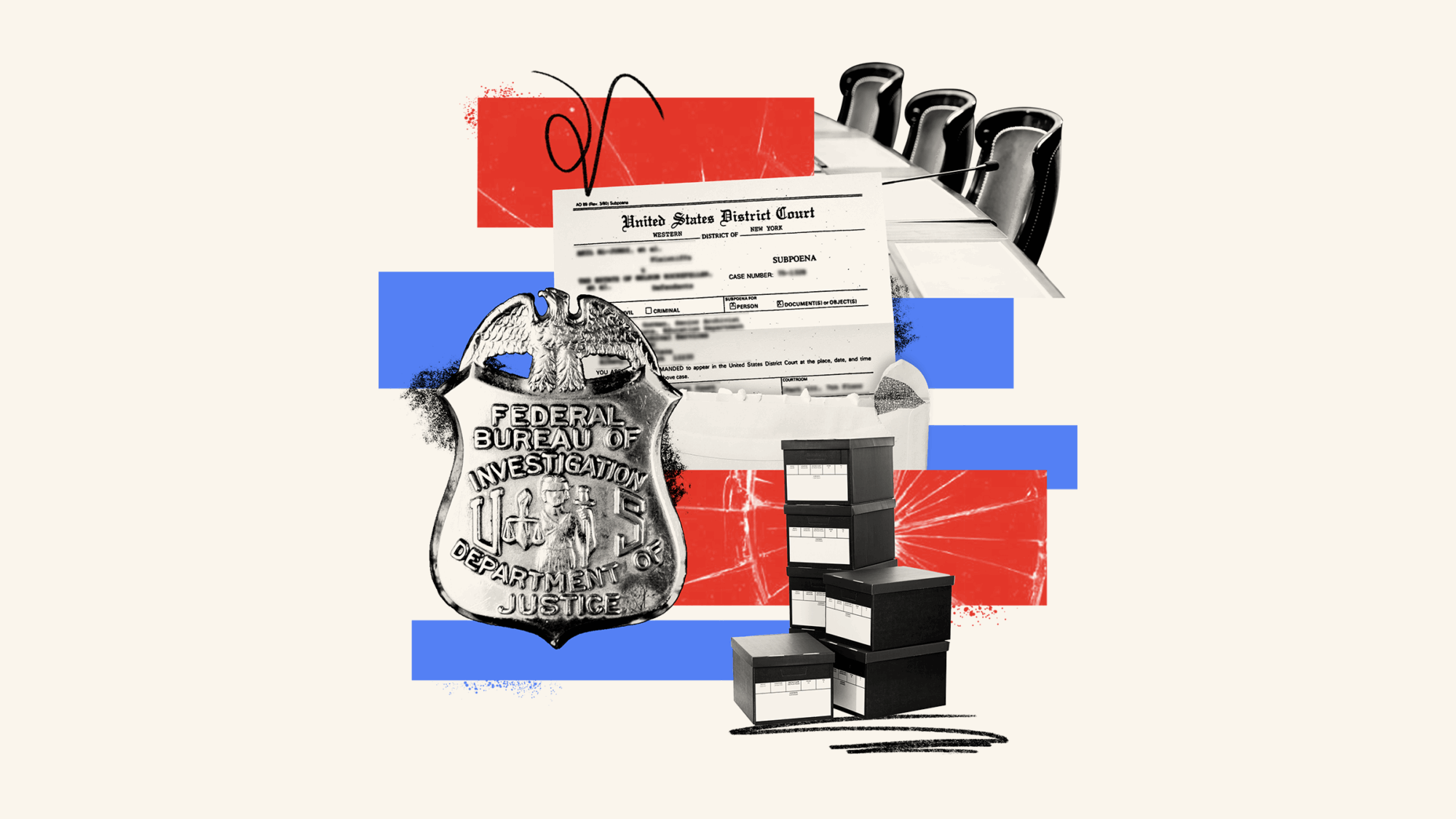
Nonprofit Toolkit: Resources for organizations facing government investigations
- Building Pro-Democracy Collective Action
- Stopping the Consolidation of Power
- Toolkit

Defending Maine communities from federal surveillance and intimidation
September 9, 2026
Protect Democracy is suing the Department of Homeland Security for violating the constitutional rights of Portland residents.

Safeguarding the role of America’s military lawyers
Why the JAG Corps is essential to U.S. national security and what Congress can do to strengthen and protect this vital institution.
May 19, 2026
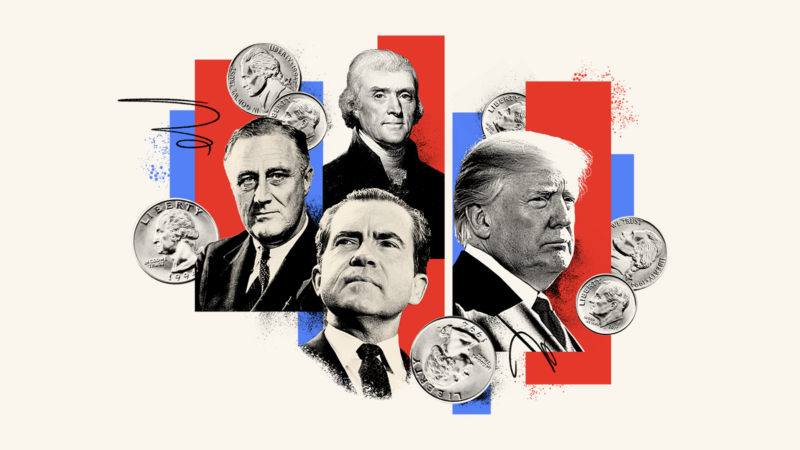
The myth of presidential impoundment power
We correct mischaracterizations of the history of presidential impoundments and demonstrate that there is no inherent presidential power to impound.
March 14, 2025
Checking the pardon power: Areas of abuse
To determine whether a president abuses the pardon power requires assessing whether a pardon violates constitutional provisions or principles and thus upsets the constitutional order.
April 11, 2024
Checking the pardon power: Preventing & responding to abuse
As with any abuses of executive power, each branch of government must protect the Constitution against abusive exercises of the pardon power.
April 11, 2024
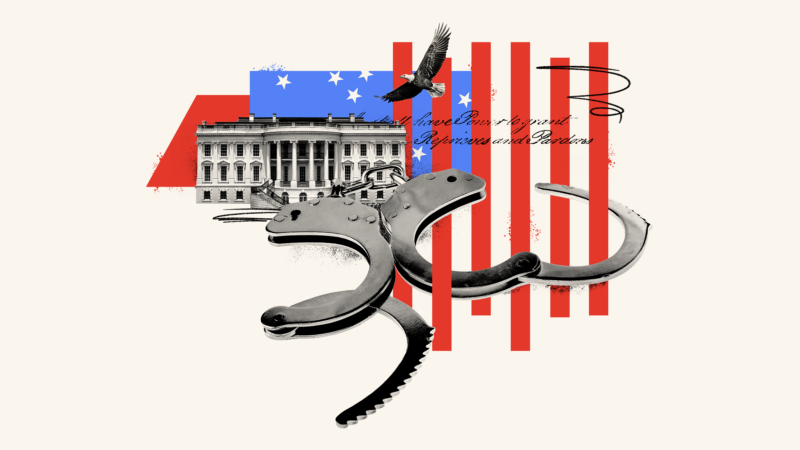
Checking the pardon power
This paper reviews an array of limitations on the presidential pardon power.
April 11, 2024
Prosecuting political leaders during an election
A framework for understanding when it’s appropriate to prosecute a candidate for public office
April 3, 2024

Punishing Corporate Expression: Distinguishing the Abuse of Government Power from Politics as Usual
This brief aims to better equip business leaders to identify when actual or threatened government action in response to corporate expression crosses the line.
September 15, 2023
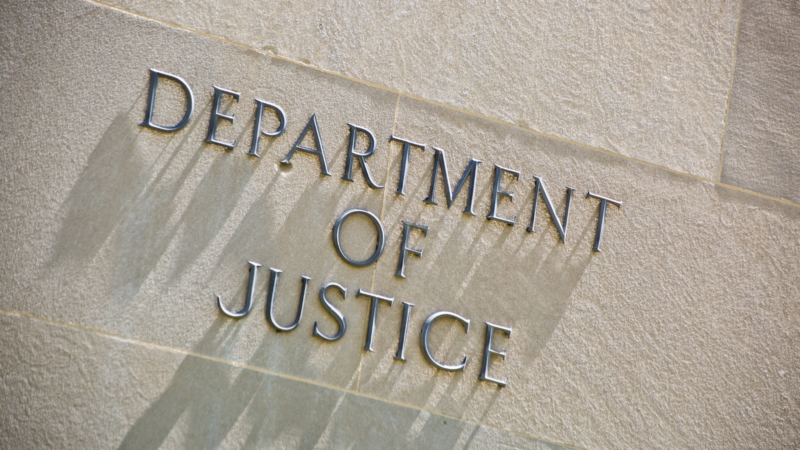
Investigating and Prosecuting Political Leaders in a Democracy
How to assess the difference between a political investigation and one bolstered by the rule of law.
May 9, 2023

Defamation and Democracy: The Democracy Case for Preserving the “Actual Malice” Standard
The “actual malice” standard is a core protection for a robust exchange of ideas, including a free and independent press.
March 30, 2023

Electoral Confusion: Contending with Structural Disinformation in Communities of Color
Research from Professor Samuel Woolley in partnership with Protect Democracy exploring the threat that election disinformation poses to communities of color and how to mitigate its effects.
June 14, 2022