A new proposed DOJ rule suspending state bar investigations is deeply unpopular
- June 3, 2026
The proposal represents an effort to insulate Trump administration officials from accountability
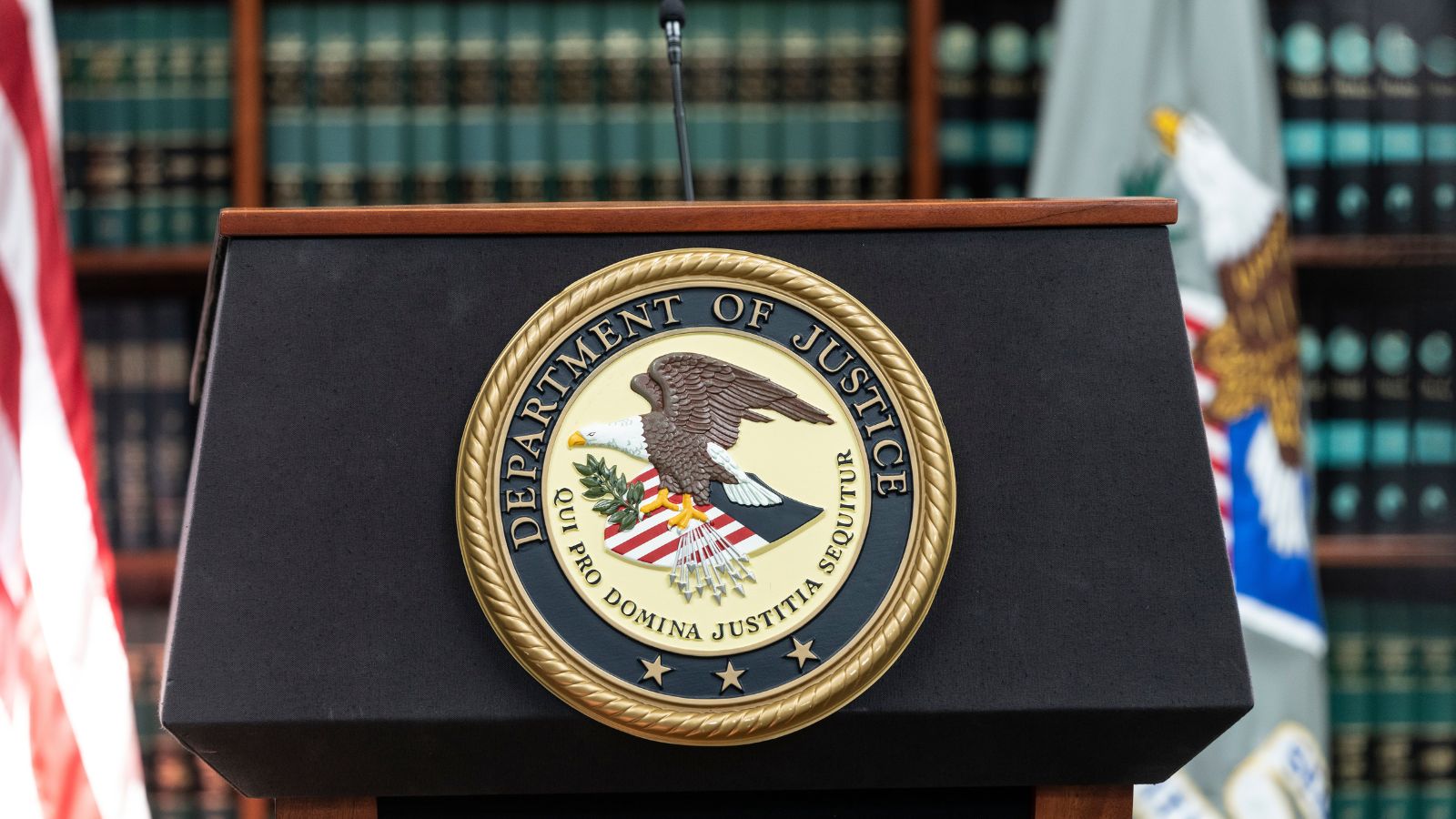
Independent law enforcement is essential to a democracy rooted in the rule of law. This principle recognizes that the government’s law enforcement powers can be a grave threat to democracy if they are abused by authoritarian-minded leaders to punish enemies, shield themselves from accountability for wrongdoing, or interfere in the conduct of free and fair elections. Throughout this nation’s history, federal criminal law enforcement power has largely been administered independent of the White House, Congress, and other political influence. Under the Trump Administration, that independence is under threat on multiple fronts.
A rule proposed by the U.S. Department of Justice in March would allow the attorney general to indefinitely suspend state bar investigations and disciplinary proceedings against current and former Department of Justice (DOJ) attorneys — flouting Congress and a disciplinary process intended to keep government lawyers honest. When the public comment period closed on April 6, the proposal to elevate current and former Justice attorneys above state bar accountability drew the most comments in Regulations.Gov history for a DOJ proposed rulemaking: more than 48,800 total comments with only 34, or 0.1%, in support, according to an analysis conducted by Protect Democracy.
The rule was proposed by former Attorney General Pam Bondi. Current acting Attorney General Todd Blanche has not indicated whether the rule would be approved. In the 1990s, the Justice Department similarly attempted to insulate its attorneys from some state laws and ethics rules, prompting Congress to pass the McDade Amendment, or McDade-Murtha Amendment, to make clear the DOJ lacked the authority to do so.
Public comment made it clear that the proposal, in addition to running afoul of Congress, is deeply unpopular. Twenty times more submissions criticized DOJ’s handling of the Epstein files than supported the proposal to essentially elevate current and former Justice attorneys above state bar accountability. Our analysis found:
- 48,803 or 99.8%, opposed the proposal.
- Commenters included over 2,300 lawyers, judges, and legal scholars, along with many former Republican appointees at the Department of Justice.
- The unpopular proposal was introduced as DOJ attorneys are increasingly cited for misleading courts & violating ethical obligations, as the department’s inspector general is turning a blind eye to misconduct, and as the department withheld Epstein files past the legal deadline for their release.
Protect Democracy’s comment highlighted the threats to the Constitution and accountability the proposal represents, as well as its corrosive effect on the rule of law:
“The Department of Justice is a federal agency in crisis. Its attorneys have come under increased scrutiny for their litigation conduct and the Department has been criticized for turning its vast law enforcement powers into weapons of retribution for the administration’s perceived enemies. Rather than ensuring that government lawyers are held accountable for abuses of raw power, the Department now seeks to shield them from accountability…The plan would upend a tradition dating back centuries to entrust regulation of the practice of law to the states. It would ignore the Supreme Court’s admonition that the federal government should respect the states’ strong interest in exercising their police powers to protect the public from unethical lawyers whose misconduct undermines the integrity of the judicial system itself. The proposed regulation is unlawful and, in every sense of the word, wrong.”
Additional comments
“This proposal conflicts with federal law, undermines principles of federalism, and risks eroding public confidence in federal law enforcement,” said Gregg Nunziata, executive director of the Society for the Rule of Law. “At a time of growing bipartisan concern about the weaponization of government, we should be reinforcing—not weakening—the ethical standards that govern federal attorneys. This proposal moves in the wrong direction and would do real damage to the rule of law in America.”
“Public trust is integral to upholding the DOJ’s authority, alongside its legal basis. Federal prosecutors have enormous power to damage reputations and take away liberty. People only accept the legitimacy of that power when they see it used appropriately and backed by meaningful accountability,” wrote the R Street Institute, in its comment opposing the proposed rule. “At a time when the DOJ is already under heightened scrutiny, whether fairly or unfairly, reducing oversight is the wrong response. Doing so would risk reinforcing the perception that the DOJ is insulating its attorneys from independent review, and placing its attorneys above the laws and rules that other attorneys are subject to across the country.”
Join Us.
Building a stronger, more resilient democracy is possible, but we can’t do it alone. Become part of the fight today.
Donate
Sign Up for Updates Sign Up for Updates
Explore Careers Explore Careers
How to Protect Democracy How to Protect Democracy