How funding the federal government works
Government funding is not working the way it’s supposed to because of illegal impoundments and pocket rescissions.
Our Constitution grants Congress authority over federal funding. To discharge this duty, Congress routinely passes legislation that authorizes agencies to spend money on programs, laying out in the law the goals, means, and methods for agencies to implement. Each year, Congress then also passes appropriations bills that provide the funding for these authorized programs.
But Congress relies on executive branch agencies to implement the programs the law authorized and spend the funds Congress appropriates. Because of that divided responsibility, guardrails against executive abuses of authority and transparency about the executive branch implementation are crucial to ensuring funds are spent the way Congress intends.
Under our constitution, the executive branch is obligated to respect the directives Congress passes in authorizing and appropriations laws. Those duly enacted laws take precedence over presidential directives to unlawfully withhold funds, to attach unauthorized conditions to funds, or to spend funds for purposes other than what Congress provided them for.
Congress and the American people have a right to see how taxpayer money is being spent — to track whether federal agencies are following the laws that authorize and appropriate federal funds – and to hold the administration to account when it is not.
Government funding is not working the way it’s supposed to because of illegal impoundments and pocket rescissions.
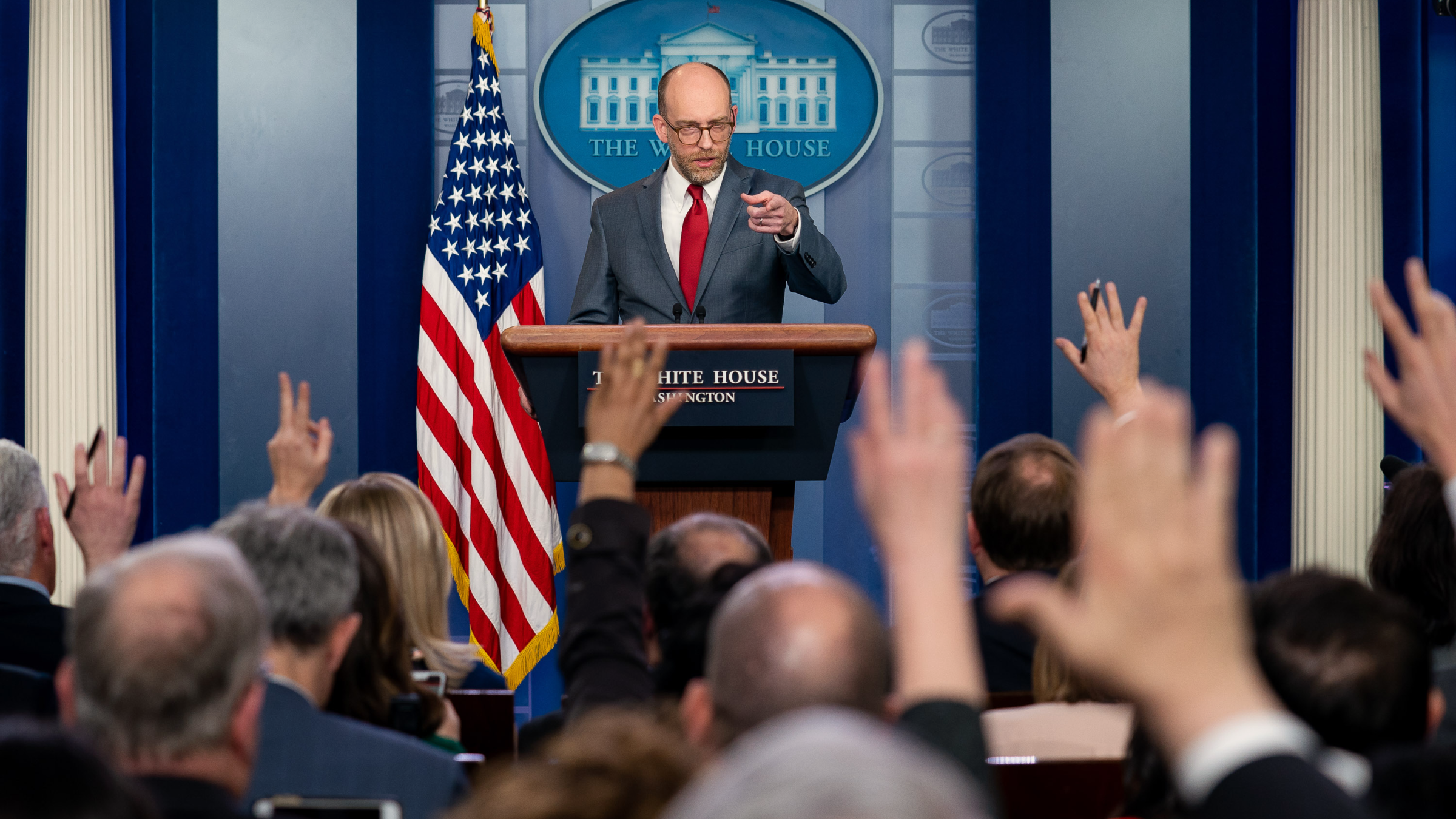
The Trump administration and OMB Director Russ Vought assert that the president has an inherent constitutional power to impound – that is, refuse to spend – congressionally appropriated funds, and argue the Impoundment Control Act is unconstitutional. This claim is flat out wrong. More than 180 years ago, the Supreme Court rejected the idea that the president has constitutional authority to defy Congress’s spending laws. The historical record is clear: the president has no inherent power to refuse to spend funds Congress appropriated.
The GAO has already cited the Trump administration for numerous violations of the impoundment law, finding it has illegally withheld funds from the departments of Energy, Health and Human Services, Transportation, and others. Protect Democracy has joined numerous others in bringing litigation to require agencies to spend funds as Congress has required.
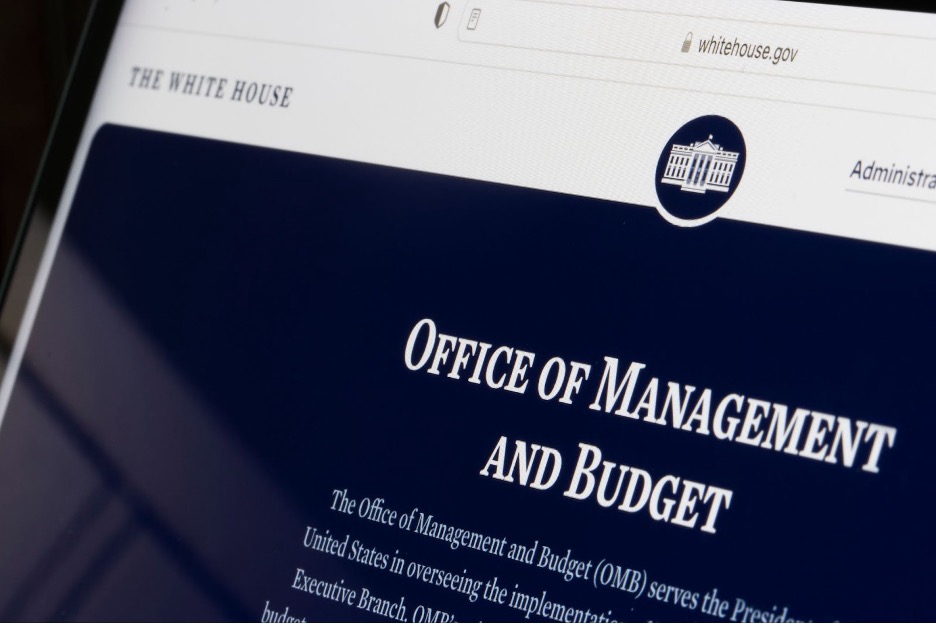
Apportionments are legally binding documents approved by the Office of Management and Budget (OMB) to let federal agencies know how much funding they can use, over what time period, and subject to what terms and conditions. Unfortunately, the apportionment process is now being abused to undermine Congress’s power of the purse.
In 2022, Congress required OMB to begin posting apportionments online. This transparency is a critical accountability tool that helps Congress and the public monitor whether the executive branch is carrying out the law — or unlawfully impounding funds. Protect Democracy created and supports the site OpenOMB.org, which makes apportionment data easier to search and browse.
After the Second Trump Administration pulled apportionment data offline to hide how it was withholding funds, Protect Democracy won a court order restoring public access. Hundreds of the apportionments that this injunction has made public show OMB abusing the apportionment process to delay, withhold, and impound funds as well as imposing policy directives from Executive Orders. Protect Democracy tracks new apportionments as they are approved for anomalies that may reflect these kinds of abuses here.
A so-called “pocket rescission” occurs when the president proposes a funding cut so late in the fiscal year that the funds expire before Congress has the full 45 days to consider the proposed cut — effectively canceling funds without congressional consent. The GAO has answered the question “Are pocket rescissions legal?” simply and without hesitation: “No.” In August 2025, the administration used this tactic to cancel nearly $5 billion in foreign aid — drawing objections both from Democratic and Republican Members. as well. In a shadow docket ruling of 6-3, the Supreme Court allowed the administration to proceed — suggesting the court may be open to departing from centuries of precedent and practice to grant the president the power to cancel federal spending laws without congressional action.
Explore this workPocket recissions, explained Pocket recissions, explained
Recissions, explained Recissions, explained
Anti-propaganda conditions on federal funds Anti-propaganda conditions on federal funds
Checking presidential impoundment of federal funds Checking presidential impoundment of federal funds
Flagging anomalous apportionments Flagging anomalous apportionments
Past Pocket Rescissions Are Not Precedents for Power Vought Claims | Lawfare Past Pocket Rescissions Are Not Precedents for Power Vought Claims | Lawfare
Breaking Down OMB’s Growing Use of Category C | Lawfare Breaking Down OMB’s Growing Use of Category C | Lawfare
Restoring transparency to OMB apportionment decisions Restoring transparency to OMB apportionment decisions
Restoring funding for Congressionally mandated education programs Restoring funding for Congressionally mandated education programs
OpenOMB.org OpenOMB.org
Building a stronger, more resilient democracy is possible, but we can’t do it alone. Become part of the fight today.
Donate
Sign Up for Updates Sign Up for Updates
Explore Careers Explore Careers
How to Protect Democracy How to Protect Democracy