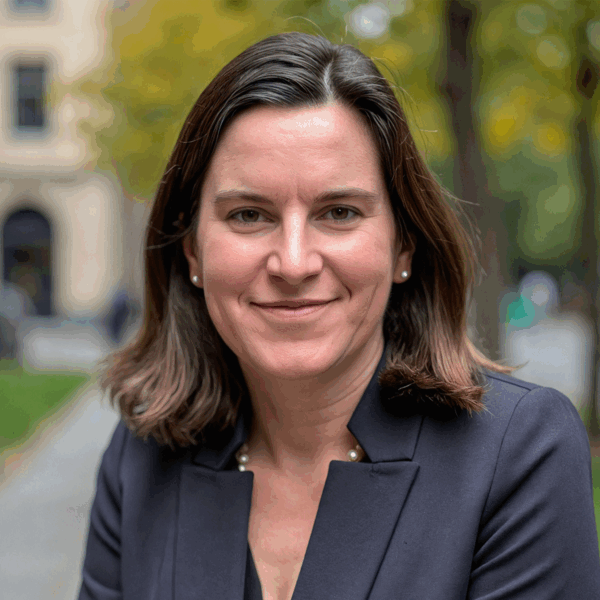
Cerin Lindgrensavage is a counsel who works on advocacy, research and litigation related to preventing the abuse of executive authority and supporting the Congress and courts as a check against executive branch overreach.
Restoring funding for Congressionally mandated education programs
- September 17, 2026
NCLD v. OMB
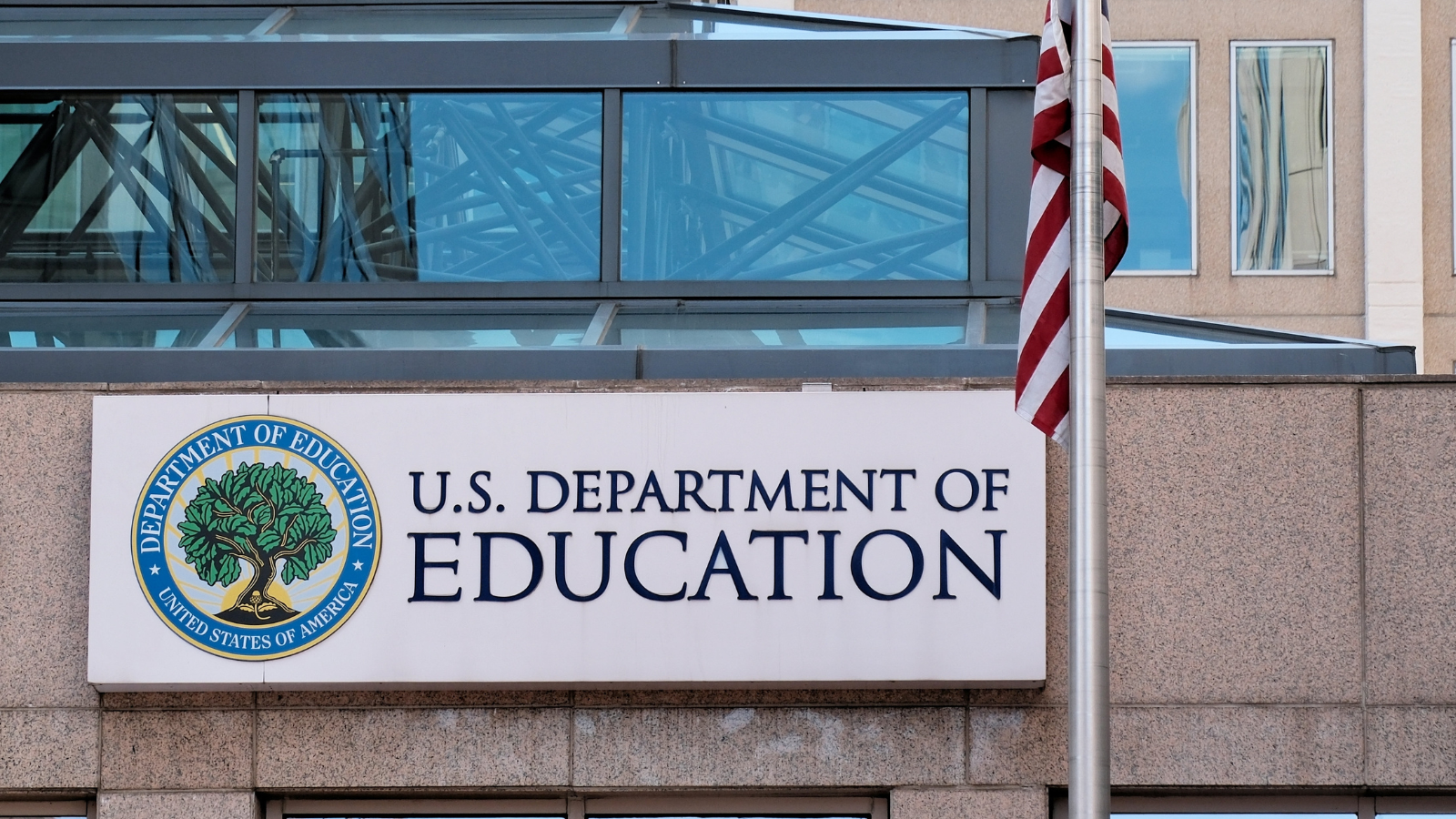
On June 30, 2026 Protect Democracy, with the Jacobson Lawyers Group PLLC, filed a lawsuit on behalf of the National Center for Learning Disabilities, Massachusetts Teachers Association, and other stakeholders challenging actions by the Office of Management and Budget (OMB), OMB Director Russell Vought, Department of Education, Secretary of Education Linda McMahon, and Acting Director of the Institute of Education Sciences (IES) Matthew Soldner that have prevented hundreds of millions of dollars appropriated by Congress for education research, statistics, and school-support programs from being made available as required by law. The lawsuit alleges that OMB’s actions violate the Anti-Deficiency Act, the Administrative Procedure Act, and the Constitution’s separation of powers.
BackgroundBackground
In 2002, Congress created the Institute of Education Sciences (IES) to serve as the nation’s independent source of education research, statistics, and program evaluation. Through IES,its affiliated centers and programs, and the Comprehensive Centers, the Department of Education conducts research on student achievement, special education, school improvement, and other critical education issues; collects and publishes national education data; supports long-term research initiatives; and provides technical assistance to states and school districts.
For decades, Congress has appropriated funding for these programs, and administrations of both parties have used those funds to carry out IES’s statutory responsibilities. Congress has also repeatedly reaffirmed its commitment to these programs, including in recent appropriations laws that provided hundreds of millions of dollars for IES activities and $50 million for the Comprehensive Centers’ program, which helps states and school districts improve educational outcomes and implement federal education programs.
Beginning in 2025, however, OMB departed from longstanding practice. Rather than making appropriated funds available for their intended purposes, OMB withheld large portions of IES funding by placing hundreds of millions of dollars on “unallocated” lines in apportionments, preventing the Department of Education from obligating and spending those funds. OMB also imposed novel spending-plan requirements and policy directives from Executive Orders that restricted the Department’s ability to use apportioned funds and that conflict with statutory requirements.
As a result, substantial amounts of funding that Congress directed be used for education research, data collection, special education studies, regional education laboratories, and other statutory programs have been unavailable and are still unobligated. OMB has similarly withheld nearly all of the funding Congress appropriated for the Comprehensive program.
This lawsuit challenges those actions as unlawful under the appropriations laws, the Anti-Deficiency Act and the Constitution.
Why this matters
This case is about a fundamental constitutional principle: Congress decides how federal money is spent.
The Constitution gives Congress the power of the purse. When Congress creates programs, appropriates funds, and directs that those funds be used for particular purposes, the executive branch must faithfully execute those laws. It cannot effectively cancel spending decisions that Congress has already made.
Here, Congress established IES and the Comprehensive Centers programs, repeatedly appropriated funds for those programs, and directed that they be carried out. Yet large portions of those appropriated funds remain unspent, leaving congressionally funded programs unable to operate as Congress intended.
The consequences reach beyond education policy. The programs at issue generate the research, data, and technical assistance that educators, families, researchers, and policymakers rely on to understand what is happening in America’s schools and how to improve student outcomes. When those programs are shut down or devoid of funding, the public loses access to independent information that helps guide educational decision-making nationwide.
The broader constitutional stakes are equally significant. The separation of powers depends on each branch respecting the roles assigned to it by the Constitution. If executive officials can prevent appropriated funds from being spent based on their policy preferences, Congress’s constitutional authority over federal spending becomes increasingly illusory. The result would be a dramatic shift in the balance of power between the branches of government, allowing the executive branch to override legislative decisions simply by declining to carry them out.
This case seeks to preserve those basic constitutional principles and ensure that federal agencies carry out the programs and spending decisions that Congress enacts into law.
Case documentsCase documents
Supplemental declaration of Matthew Soldner – Sept. 28, 2026 Supplemental declaration of Matthew Soldner –
Memorandum and order – Sept. 17, 2026 Memorandum and order –
Transcript from Sept. 8, 2026 hearing – Sept. 8, 2026 Transcript from Sept. 8, 2026 hearing –
Reply in support of motion for summary judgment – Sept. 1, 2026 Reply in support of motion for summary judgment –
Memorandum in support of summary judgment – Aug. 11, 2026 Memorandum in support of summary judgment – Aug. 11, 2026
Complaint – June 30, 2026 Complaint –
About the Author
Related Content
-
Federal court rules DOJ data demands violate voter privacy & states’ election authority
- Protecting Elections
- Litigation
- Statements
-

Protect Democracy applauds Governor Newsom’s signing of the No Kings Act
- Stopping the Consolidation of Power
- Legislation & Policy
- Statements
-
Speaking up from within the government
- Stopping the Consolidation of Power
- Research & Analysis
- Toolkit
-
Protecting public safety and the integrity of U.S. elections from federal attacks
- Protecting Elections
- Litigation
- Case Documents
Join Us.
Building a stronger, more resilient democracy is possible, but we can’t do it alone. Become part of the fight today.
Donate
Sign Up for Updates Sign Up for Updates
Explore Careers Explore Careers
How to Protect Democracy How to Protect Democracy