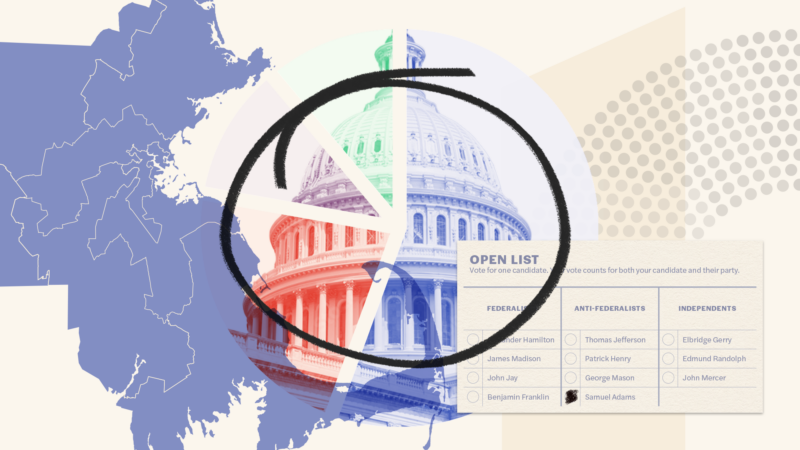
Proportional representation, explained
Proportional representation is an electoral system that elects multiple representatives in each district in proportion to the number of people who vote for them where every voice is heard and earned.
A majority of Americans are dissatisfied with the way our democracy is functioning and believe our political system needs significant reform. Rampant gerrymandering, extreme polarization, uncompetitive elections, and lack of fair representation are just a few symptoms of our broken democracy. These can all be traced directly to the American electoral system.
Currently, most American elections at every level function under a winner-take-all system. This system means that every election has a single winner. If a candidate wins 51 percent of the vote, they win 100 percent of the representation. Any voters who did not back the winning candidate are not represented in government by a candidate for whom they voted.
This system has been the status quo for much of American history, and it’s a huge reason our democracy is so dysfunctional. Winner-take-all electoral systems stifle competition, exacerbate polarization, disadvantage minority voices, and lead to unrepresentative outcomes.
A system of proportional representation, by contrast, would lead to more voter choice, less polarization, inclusion of underrepresented voters, and an end to gerrymandering, among other potential benefits. In a moment of heightened polarization and extremism, changing the way we cast our votes is one of the best ways to reform American democracy.
Proportional representation is an electoral system that elects multiple representatives in each district in proportion to the number of people who vote for them where every voice is heard and earned.
Americans across the political spectrum are more unhappy with our democracy than they have been in years. This brings with it a unique opportunity to push for major reforms that could make our democracy more representative of its voters and more resilient to authoritarian threats.
While support for proportional representation has increased in recent years, it remains relatively unfamiliar to many lawmakers, reformers, and voters. Building cross-partisan support for this kind of structural reform is key to ultimate adoption of proportional representation.
Our early work in support of proportional representation focused on developing research and advocacy materials as thought leaders for proportional representation in the American context. A wealth of scholarship and evidence for the benefits of electoral reform exists internationally, but understanding how it could work in the U.S. is key to connecting with institutional and public supporters. Proportional representation could re-shape our electoral system for the better, but for that to happen, everyday voters need to understand how it works, and believe that it’s a good solution.
Explore this work
When maps don't matter When maps don't matter
Proportional representation and polarization Proportional representation and polarization
Where Will They All Sit? Where Will They All Sit?
Building a stronger, more resilient democracy is possible, but we can’t do it alone. Become part of the fight today.
Donate
Sign Up for Updates Sign Up for Updates
Explore Careers Explore Careers
How to Protect Democracy How to Protect Democracy