Gen Z Toolkit: Responding to youth voter disenfranchisement
- September 29, 2026
Not all election threats are created equal — here’s how to spot the difference.
Not all threats to an election look like a stolen vote. Sometimes they show up as a lie designed to make you doubt what’s true. Sometimes they show up as a policy that makes it harder to organize. Sometimes they show up as a person in a uniform standing nearby to intimidate you. These tactics follow a deliberate pattern that the current administration is using to undermine and control U.S. elections: Deceive voters with lies and disinformation, Disrupt the process through manipulation and intimidation, and if all else fails, Deny the results altogether.
Below we walk through some of the most common pressures young and student voters may face that threaten their ability to cast a vote or exercise their right to organize, and how to push back this election season. For a more comprehensive overview we recommend reading the full PDF of this toolkit section below, which is organized by category so you can jump to what’s relevant to you. It covers what the threats can look like, how they can escalate, and what you, your peers, and your organization can do about it — whether that’s in the weeks leading up to Election Day, the day itself, or in the aftermath.
The Gen Z Election Defense Pocket Guide
This printable pocket guide equips young, new, and student voters with quick tips to safely vote and engage with the elections process.
Read this guide as a PDF Read this guide as a PDF
Misinformation & disinformation
You’ve probably seen it before: a video, a post, a screenshot that seems too wild to be real, and it turns out it wasn’t. Spreading lies and confusion, whether by mistake (misinformation) or on purpose (disinformation), is one of the easiest ways to make people doubt whether their vote counts, whether elections are legitimate, or whether it’s even worth showing up. It’s the Deceive piece of the playbook — flooding the internet with lies until no one’s sure what to trust anymore. For young voters especially, a generation that gets most of its news from social media, that confusion can lead to missed deadlines, distrust of legitimate results, or disengagement altogether. The good news is that spotting it gets easier with practice, and knowing what to look for is often enough to stop it from working on you.
Actions you can take
- Get election news you can trust: Follow nonpartisan, election-specific outlets like Votebeat and Bolts so you’re working with information from trusted sources.
- Understand how AI is being used to mislead voters: The more you know about how deepfakes and AI-generated content spread, the faster you’ll spot the next one.
- Practice media literacy: Slow down, check sources, and compare coverage across outlets. These habits get easier the more you use them.
- FactCheck.org, PolitiFact, and Snopes are helpful fact-checking websites that can help debunk rumors and investigate election-related claims.
- We also love this article from the University of Washington’s Center for an Informed Public that unpack the 5 moves of misleading election rumors.
Campus free speech around electoral organizing
Campuses have always been one of the most important places for students to organize and speak out. In recent years, many universities have made it harder for students and others to exercise their First Amendment rights, and pressure from this administration — including threats to freeze federal funding over campus activism — has accelerated the trend. Making it harder for real organizing to happen at all, as these restrictions do, is useful to the administration’s Disrupt strategy. Facing new rules, extra hoops, or pushback from university admin can feel discouraging, but it’s important to remember that student speech and organizing are protected activities, and knowing your rights is the first step to keeping your work moving forward.
Actions you can take
- Build relationships now: Connect with a legal aid organization so you have support lined up if something happens, and build relationships with campus administrators who can be helpful partners!
- Start a Student Defenders group: FIRE’s Student Defenders program helps you build a peer-support network on your campus focused on due process and fair treatment, and may offer financial support to help get one started.
- Stay looped in with other campus organizations: Share what you learn with other student groups doing similar work — coordinated response is stronger than any one organization acting alone.
- Explore whether your campus has a nonpartisan voting coalition: Many campuses have nonpartisan voting coalitions or student groups. Partnering with these entities can help young organizers attain greater access across campus and better understand the campus landscape.
Voter intimidation by local, state, or federal agents
You have every right to cast your ballot safely and freely. The presence of law enforcement near election spaces itself is not voter intimidation. However it is crucial to remember that voter intimidation by any government agent is strictly illegal under federal and state law, and actual incidents remain rare. Being prepared by knowing the legal limits on government authority at the polls, and having resources on hand can help you understand your rights, support your peers, and ensure your community can vote with confidence.
Remember: Federal law strictly limits the presence of armed federal forces or military at polling places. Voter intimidation by any actor is illegal. In all three of the above scenarios you should report any such presence to the election protection hotline and local election officials. You can report instances of intimidation directly to the nonpartisan 866ourvote.org Election Protection Coalition at 1-866-OUR-VOTE. For state-specific rules on law enforcement boundaries at polling locations, consult your state election authority through USAGov State & Local Election Offices.
Actions you can take
- Community engagement: Engage your community wherever they are: Talk to rotary, book clubs, local YMCAs, and other local clubs about the importance of voting and to share voting information.
- Vote together: Participate in a Project HALO event, Souls to the Polls, or any other event where your community is voting together.
- Help others form voting plans: Make plans to go vote with your neighbor, friends, family members and provide support if they are unsure about their voting plans.
A DEMOCRACY FOR ALL GENERATIONS
Preparation doesn’t have to = paranoia
Preparing for election threats can easily feel overwhelming, and it is completely normal to feel a spike in anxiety when discussing barriers to the vote. However, taking proactive steps isn’t about bracing for catastrophe — it’s about building quiet confidence and community resilience. Preparation can transform uncertainty into clear, actionable power so you and your peers can navigate Election Day safely.
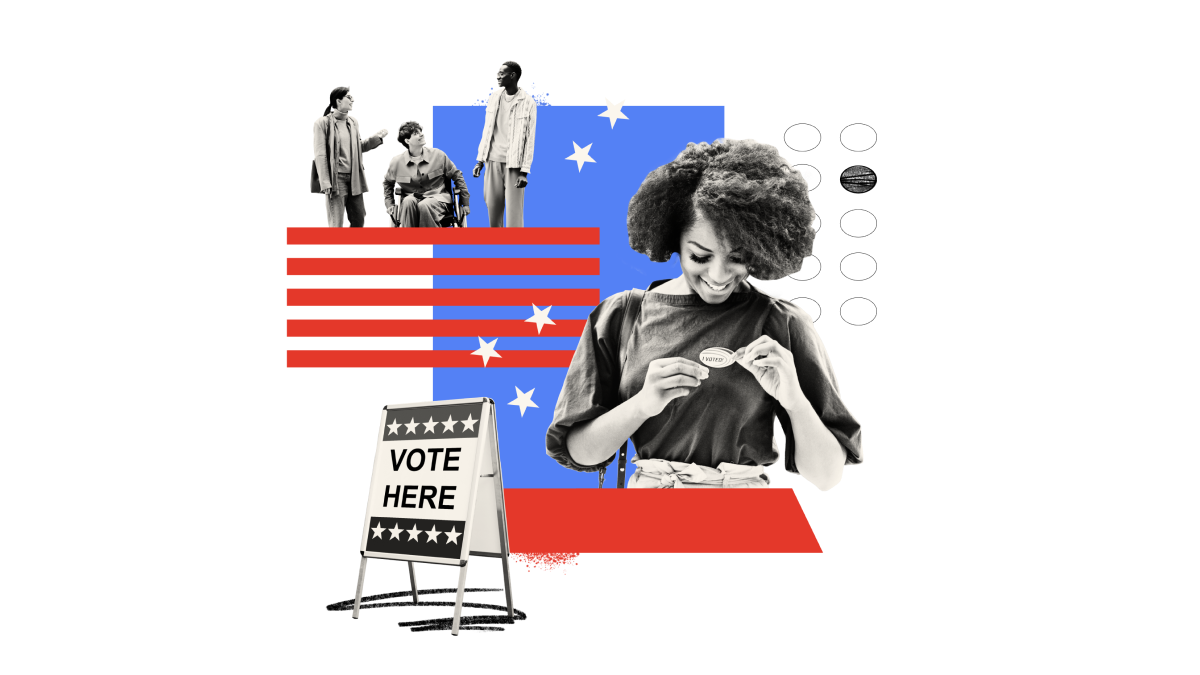
Explore all resources in the The Gen Z Election Defense Toolkit. The toolkit is designed to support youth-focused organizations and groups taking action this election season to educate young voters and build youth power. Explore all resources in the The Gen Z Election Defense Toolkit.
Legal disclaimer
This document includes links to resources created and maintained by a number of different sources. Protect Democracy does not guarantee the accuracy or completeness of any linked information, nor is the inclusion of any link intended to be an endorsement of any kind. This resource is not meant to, and does not, offer legal advice; nor should it be construed as legal advice on any specific facts or circumstances. The contents are intended for general information and educational purposes only, and should not be relied on as if it were advice about a particular fact situation. The distribution of this resource is not intended to create, and receipt of it does not constitute, an attorney-client relationship with Protect Democracy. In order to protect your vote, please refer to your state election authority’s website for the most up-to-date information as voting laws are constantly changing. Protect Democracy last edited this toolkit on Sept. 29, 2026.
Join Us.
Building a stronger, more resilient democracy is possible, but we can’t do it alone. Become part of the fight today.
Donate
Sign Up for Updates Sign Up for Updates
Explore Careers Explore Careers
How to Protect Democracy How to Protect Democracy