Challenging the Trump administration’s threats to voting rights, privacy, and state authority over elections
- September 1, 2026
Electronic Privacy Information Center (EPIC) v. United States Citizenship and Immigration Services (USCIS) et al.
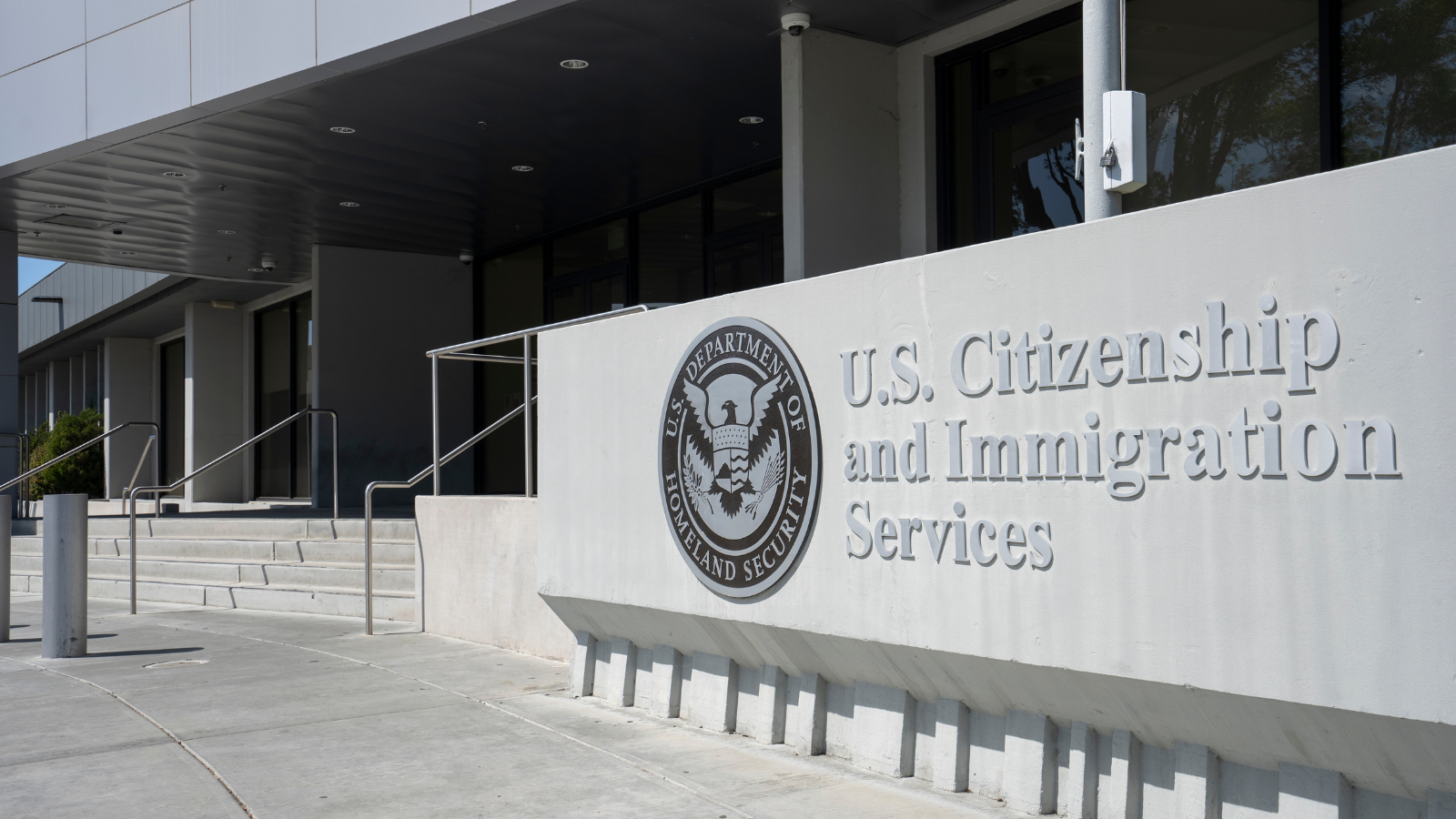
On behalf of the Electronic Privacy Information Center (EPIC), Protect Democracy and Citizens for Ethics and Responsibility in Washington (CREW) are suing the Trump administration over its unlawful and unprecedented efforts to compile American voters’ sensitive personal information into a massive centralized database for the purpose of trying to control who can and cannot vote in federal elections.
Read more: EPIC sues to block illegal Trump administration plan to build master database of U.S. citizens Read more: EPIC sues to block illegal Trump administration plan to build master database of U.S. citizens
Background
States hold the constitutional power to administer elections — not the federal government. However, following President Trump’s second executive order related to elections issued in March 2026, the federal government is now attempting to build and distribute a massive database of personal information on hundreds of millions of Americans, putting their most sensitive records at risk.
As part of this administration’s strategy to create chaos in the upcoming midterm elections, the Department of Homeland Security, USCIS, Social Security Administration, and State Department are making an illegal effort to compile and share Americans’ sensitive personal information (potentially including social security information) in a massive federal database. This plan violates federal privacy laws designed to prevent this very kind of government overreach, in addition to a specific law meant to protect Social Security data.
Using the compiled data, the federal government plans to send election officials in all 50 states their own “State Citizenship List” and compel states to use these federal-made lists to determine who can and cannot vote in federal elections. Alarmingly, the Department of Homeland Security has admitted that the data that it intends to use for making these state lists is full of inaccuracies that could wrongly flag eligible voters as ineligible to vote, which could mean untold numbers of lawful citizens losing their constitutional right to cast a ballot. DHS has further threatened to investigate and prosecute states and election officials who “issue Federal ballots to individuals not eligible to vote” — a marked escalation in the Trump administration’s strategy to illegally insert itself in elections.
With just 60 days to go before the 2026 midterms, it’s clear that the purpose of these federally imposed voter eligibility lists is not to protect elections but rather to cause chaos and confusion among voters and election officials.
What’s at stake
There are two critical issues at play in this lawsuit. First, President Trump is attempting an unprecedented and dangerous power grab: seizing control over who can vote in federal elections. The nation’s founders deliberately rejected giving any single person or federal authority control over elections, wary that centralizing that power could be used to entrench those already in office — which is why the Constitution defaults control over elections to the states.
Second, this case is about protecting Americans’ privacy. Federal privacy laws exist precisely to stop the government from consolidating Americans’ most sensitive personal information — Social Security numbers, citizenship records, and more — into a single, centralized system that tracks and exposes everyone at once, creating exactly the kind of high-value target hackers and identity thieves look for.
The legal fight
The complaint argues that:
- The Trump administration is attempting an unconstitutional power grab. The White House claims this database is needed to stop noncitizens from voting, but noncitizen voting is already illegal and, by every credible measure, exceedingly rare. The real goal is to seize control over who can vote in federal elections, a power the Constitution entrusts to the states and Congress, not the president.
- This plan violates federal privacy laws. To build these state voter eligibility lists, the government wants to pool Americans’ sensitive personal data across multiple agencies — without notice, without consent, and without any way for Americans to correct errors in their own records. Federal privacy laws, including the Privacy Act, exist specifically to prevent this kind of unauthorized data consolidation and disclosure.
- This scheme threatens to disenfranchise eligible voters and sow chaos ahead of the midterms. The government has admitted the data behind these lists is riddled with errors. The same flawed data has already led to eligible voters being wrongly flagged as ineligible. With state officials pressured to use these lists just weeks before Election Day, the result could be widespread confusion, wrongful purges, and eligible Americans turned away from the polls.
The Trump administration is not above the law.
PlaintiffsPlaintiffs
- Electronic Privacy Information Center
Defendants
- U.S. Citizenship and Immigration Services
- Joseph B. Edlow, Director of the United States Citizenship and Immigration Services
- U.S. Social Security Administration
- Frank Bisignano, Commissioner of the Social Security Administration
- U.S. Department of Homeland Security
- Markwayne Mullin, Secretary of the Department of Homeland Security
- U.S. Department of State
- Marco Rubio, Secretary of the Department of State
Case documents
Reply memorandum in support of motion for partial summary judgment – Sept. 17, 2026 Reply memorandum in support of motion for partial summary judgment –
Complaint – Sept. 1, 2026 Complaint –
Related Content
-
Federal court rules DOJ data demands violate voter privacy & states’ election authority
- Protecting Elections
- Litigation
- Statements
-
Frequently asked questions about the 2026 midterm elections
- Protecting Elections
- Research & Analysis
- Explainer
-
The ‘blue shift’ and ‘red mirage’ in election results, explained
- Protecting Elections
- Research & Analysis
- Analysis
-

DOJ’s attempt to acquire state voter data, explained
- Protecting Elections
- Research & Analysis
- Explainer
Join Us.
Building a stronger, more resilient democracy is possible, but we can’t do it alone. Become part of the fight today.
Donate
Sign Up for Updates Sign Up for Updates
Explore Careers Explore Careers
How to Protect Democracy How to Protect Democracy