Defending the media against FCC censorship
- May 12, 2026
Press freedom in the United States is now at a 25-year low according to the World Press Freedom Index, which measures incidents of abuses against journalists.
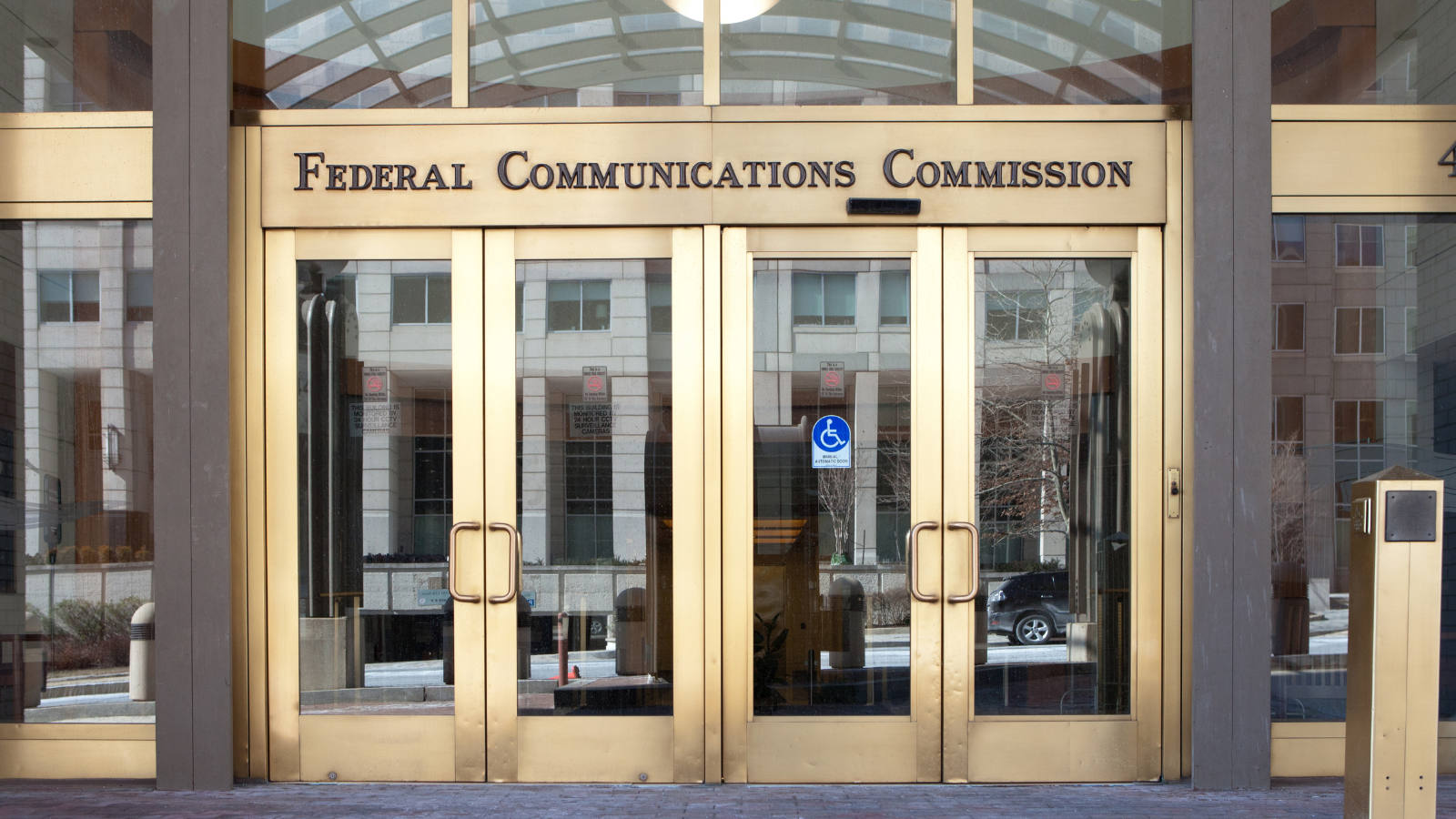
Since being designated Chair of the Federal Communications Commission by President Trump, Brendan Carr has abused the authority of his office to pressure broadcasters over their news coverage. These coercive actions have chilled free speech in the press and intimidated newsrooms into changing their editorial decisions behind closed doors. These tactics are reminiscent of those employed by Victor Orbán to destroy independent media in Hungary.
Protect Democracy and our partners are pursuing legal action to defend the First Amendment and safeguard a free and independent press.
Why does a free press matter to democracy?
A free press acts as a watchdog on institutional power. Journalists routinely expose wrongdoing, hold elected leaders accountable to their voters, counter misinformation, and provide the public with reliable information needed for civic participation and self-government.
What is “jawboning”?
Jawboning, or “censorship by proxy,” refers to a government’s use of intimidation tactics to suppress the speech of a private individual or organization without formal legal censorship. Instead of banning speech directly, officials use threats, investigations, pressure, and accusations to influence what is said or published. For example, in a 2025 podcast appearance, Carr indicated that ABC would face increased FCC scrutiny if it did not remove late-night host Jimmy Kimmel from the air after comments Kimmel made about the motives of Charlie Kirk’s killer. “We can do this the easy way or the hard way,” Carr said. President Trump himself also called for CBS to lose its broadcast license, writing on Truth Social that “they should pay a big price” for reporting on his handling of Ukraine and Greenland.
Related work
The FCC’s news distortion policy should be rescinded The FCC’s news distortion policy should be rescinded
Supporting a bipartisan group of former FCC Commissioners and Chairs in opposing the FCC’s suppression of speech Supporting a bipartisan group of former FCC Commissioners and Chairs in opposing the FCC’s suppression of speech
Protect Democracy presents at Congressional spotlight forum on the FCC’s attacks on free speech Protect Democracy presents at Congressional spotlight forum on the FCC’s attacks on free speech
Related Content
-
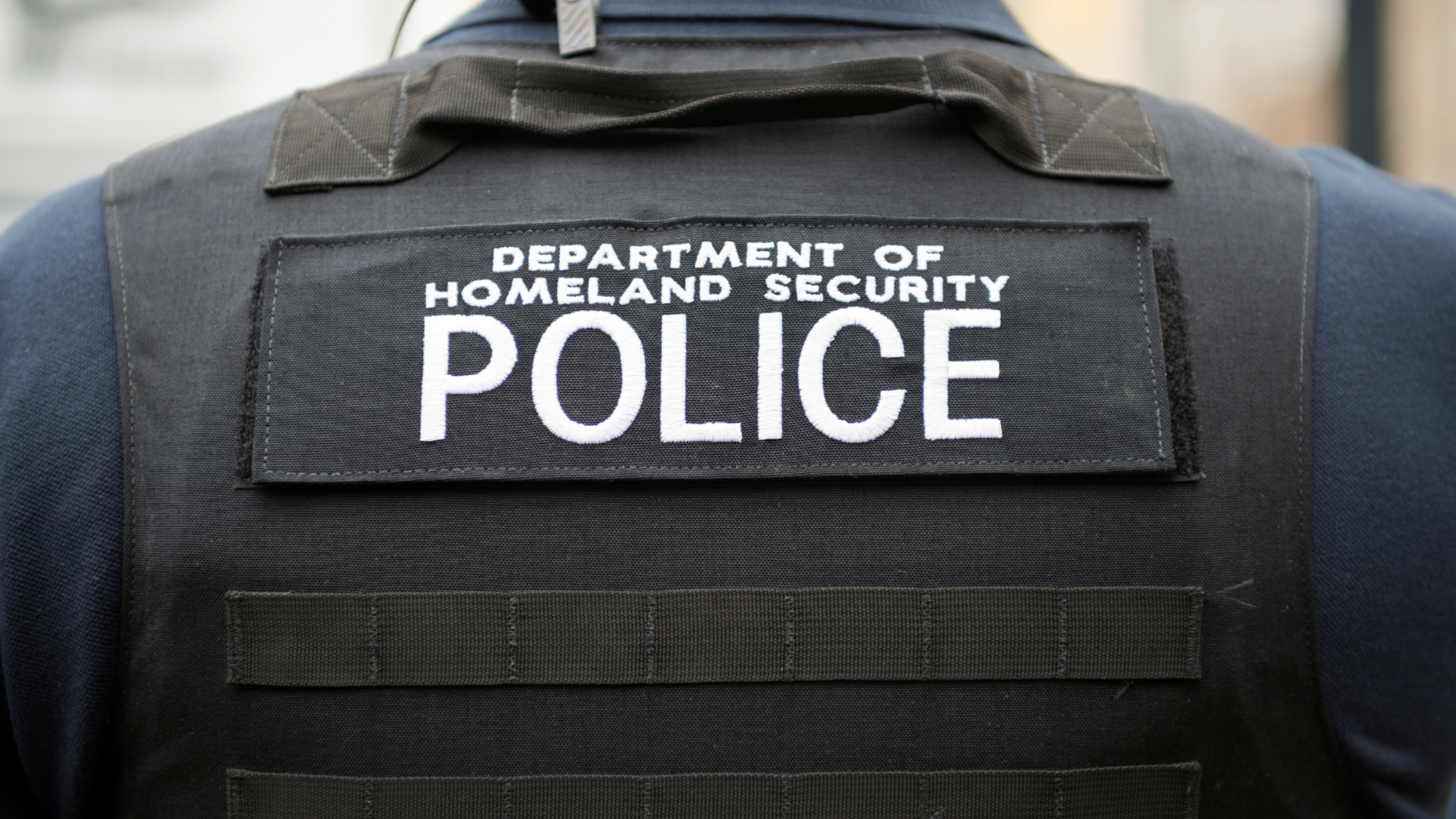
Court limits DHS’s armed home visits questioning voter eligibility
- Protecting Elections
- Litigation
- Statements
-
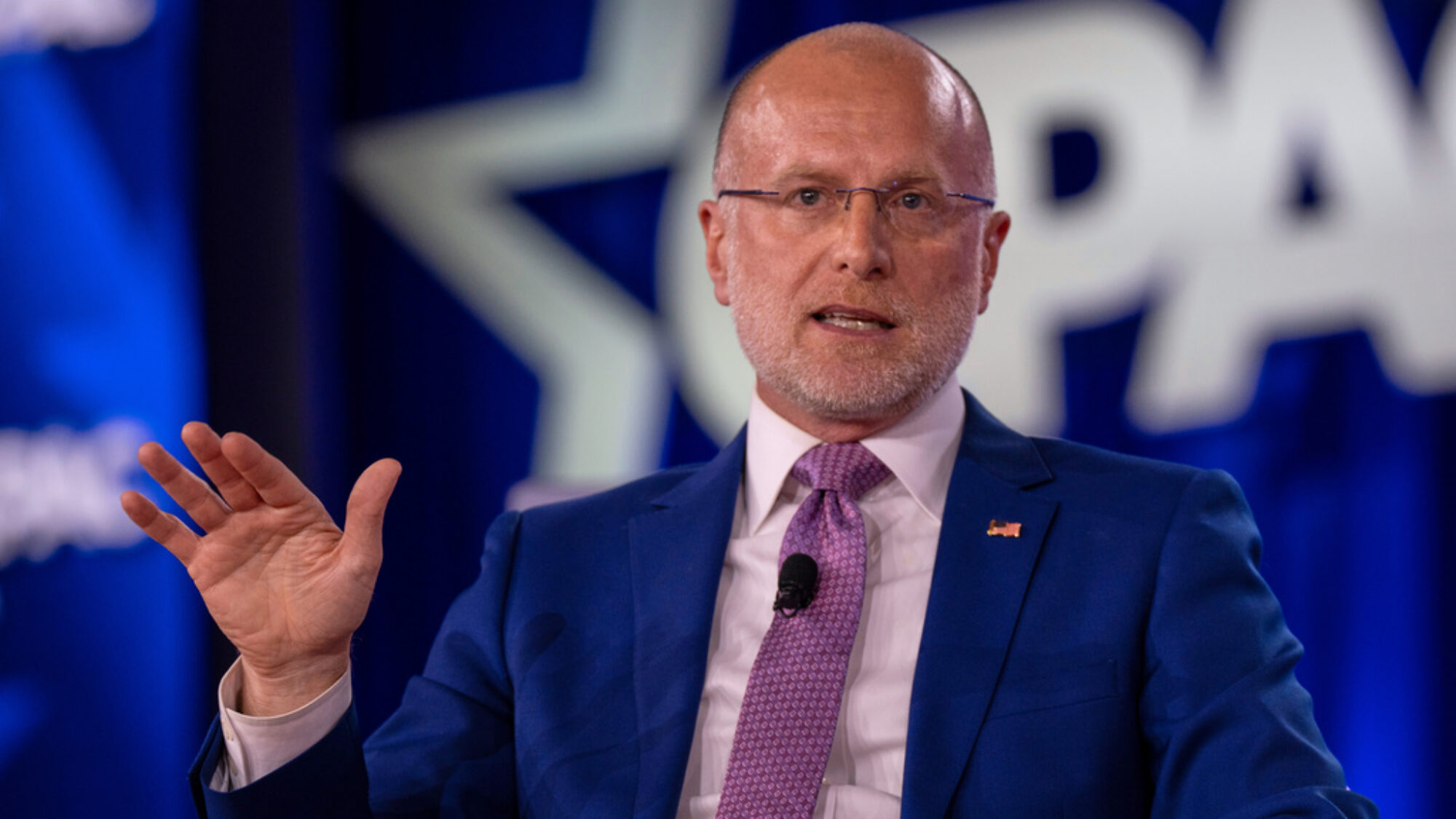
Former high-ranking FCC officials call Carr’s intimidation of broadcasters an outrageous attempt to control information
- Stopping the Consolidation of Power
- Campaigns & Coalitions
- Statements
-
Why emergency powers don’t allow presidents to interfere with elections
- Stopping the Consolidation of Power
- Research & Analysis
- Explainer
-
Tracking retaliatory use of arrests, prosecutions, and investigations by the Trump administration
- Stopping the Consolidation of Power
- Research & Analysis
- Analysis
Join Us.
Building a stronger, more resilient democracy is possible, but we can’t do it alone. Become part of the fight today.
Donate
Sign Up for Updates Sign Up for Updates
Explore Careers Explore Careers
How to Protect Democracy How to Protect Democracy