Gen Z Toolkit: Post-election protection and participation
- April 21, 2026
Learn what you can do in your community post-election day.
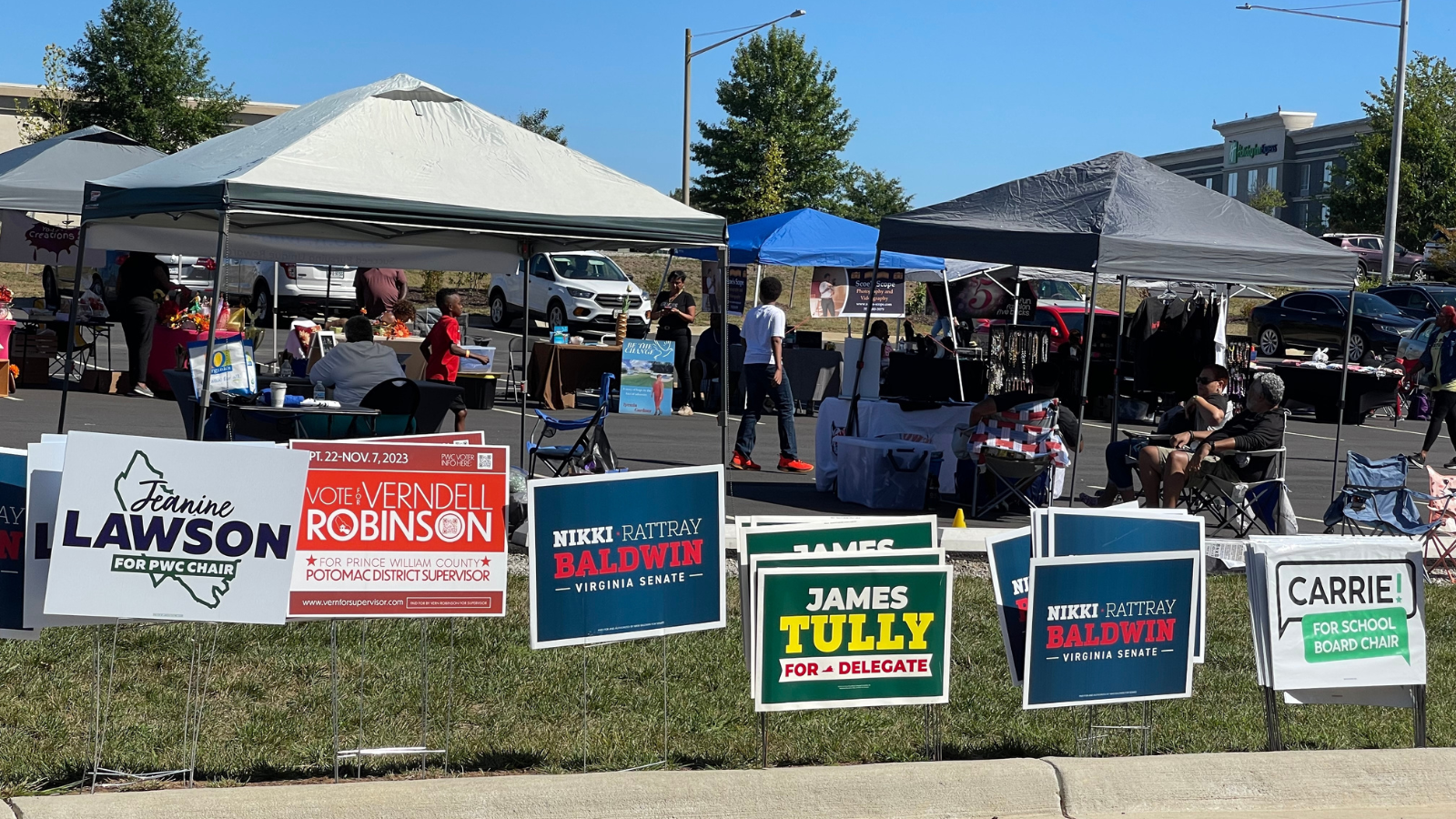
Imagine you’ve made it to the end of Election Day and the final voters on the West Coast have finished submitting their in-person ballots. For many, Election Day marks the end of a months- or years-long process to promote greater voter participation and to prepare for free, safe, and secure elections.
However, the post-election period is an especially vital time for ensuring:
- Every eligible voter’s ballot is counted,
- Election outcomes are accurate,
- The public, election, and elected officials respect election outcomes, and,
- Election administrators do their job and follow through with certification processes.
It’s important to know that delays in reporting results are often part of a secure process, allowing election officials to count every vote accurately, rather than a sign of a problem.
Read this resource as a PDF Read this resource as a PDF
Getting involved in the post-election process
- Informing Yourself of the Post-Election Process: Familiarize yourself with the local, state, and national post-election processes. Helpful resources to help you include:
- Track Your Ballot, and Help Others Track Theirs: Check on the status of your ballot here, and share tracing guidance with friends.
- Ballot Curing Outreach: If a ballot is rejected due to minor errors, it can be corrected through a process called ballot curing. Currently, 32 states allow ballot curing. Track deadlines and processes via this tracker from Voting Rights Lab.
- Non-partisan volunteer opportunities for ballot curing can be found on Mobilize.us and with Common Cause or the 1-866-OUR-VOTE hotline website. Fluency in other languages, especially Spanish, is often helpful.
- Post-Election Observation: If you’re interested in observing or playing a more hands on role in ensuring transparency and the accuracy of election results:
- Attend canvass and certification meetings. Contact your county elections office about a schedule of public canvass meetings.
- Track post-election audits. 49 states perform post-election audits to ensure votes are counted correctly. Learn more information about your state’s audit requirements and procedures, here.
- Become a trained, non-partisan observer. Organizations like Common Cause and League of Women Voters offer training and election protection volunteer opportunities for non-partisan observers from nonprofit groups.
- Serve as a poll worker. You can sign up for paid poll worker positions here from Power the Polls.
- Combatting Election Misinformation and Disinformation: Trust in election results and in the post-election process is crucial to preserving our democracy’s tradition of peacefully transferring power. Doubts about the accuracy of election outcomes or nonpartisanship of the election process can fuel belief in election conspiracy theories, misinformation, and disinformation campaigns.
- Election subversion — when political leaders question the integrity of election processes and results, peddle conspiracy theories, and spread misinformation — sow distrust and can prevent legitimate winners from taking office.
Read more about election subversion Read more about election subversion
Stop the dissemination of false information
- Use official and non-partisan sources whenever you’re sharing information about the status of elections and their outcomes. Rely on official communication from your state or local election office, find yours here.
- Establish what is fact and what is fiction with digital rapid response. Fact-check rumors quickly through FactCheck.org, PolitiFact, and Snopes.Track voting and election misinformation through The Brennan Center.
- Join efforts to fight back against disinformation by reporting disinformation and volunteering for different organizations.
- Report election misinformation online: If you see content online that could mislead or suppress voters, use this cheat sheet from Asian Americans Advancing Justice to help you identify and report it across major platforms. The guide includes platform-specific instructions for flagging content and provides clear do’s and don’ts for responding to misinformation.
- Report local election rumors to your county election department: Local election offices can issue public corrections if they’re made aware of election-related scams and rumors.eering for different organizations.
- Support and participate in advocacy initiatives around passing anti-disinformation laws. Most, but not all, states have enacted legislation that targets AI-generated media in elections. Encourage state legislators to pass these laws to hold disinformation spreaders accountable.

Explore all resources in the The Gen Z Election Defense Toolkit. The toolkit is designed to support youth-focused organizations and groups taking action this election season to educate young voters and build youth power. Explore all resources in the The Gen Z Election Defense Toolkit.
Legal disclaimer
This document includes links to resources created and maintained by a number of different sources. Protect Democracy does not guarantee the accuracy or completeness of any linked information, nor is the inclusion of any link intended to be an endorsement of any kind. This resource is not meant to, and does not, offer legal advice; nor should it be construed as legal advice on any specific facts or circumstances. The contents are intended for general information and educational purposes only, and should not be relied on as if it were advice about a particular fact situation. The distribution of this resource is not intended to create, and receipt of it does not constitute, an attorney-client relationship with Protect Democracy. In order to protect your vote, please refer to your state election authority’s website for the most up-to-date information as voting laws are constantly changing. Protect Democracy last edited this toolkit on April 16, 2026.
Related Content
-
Frequently asked questions about the 2026 midterm elections
- Protecting Elections
- Research & Analysis
- Explainer
-
The ‘blue shift’ and ‘red mirage’ in election results, explained
- Protecting Elections
- Research & Analysis
- Analysis
-

DOJ’s attempt to acquire state voter data, explained
- Protecting Elections
- Research & Analysis
- Explainer
-
Understanding federal demands for election records
- Protecting Elections
- Research & Analysis
- Toolkit
Join Us.
Building a stronger, more resilient democracy is possible, but we can’t do it alone. Become part of the fight today.
Donate
Sign Up for Updates Sign Up for Updates
Explore Careers Explore Careers
How to Protect Democracy How to Protect Democracy