Gen Z Toolkit: What threats are our elections up against?
- April 21, 2026
Threats to election integrity directly dilute young people’s political power.
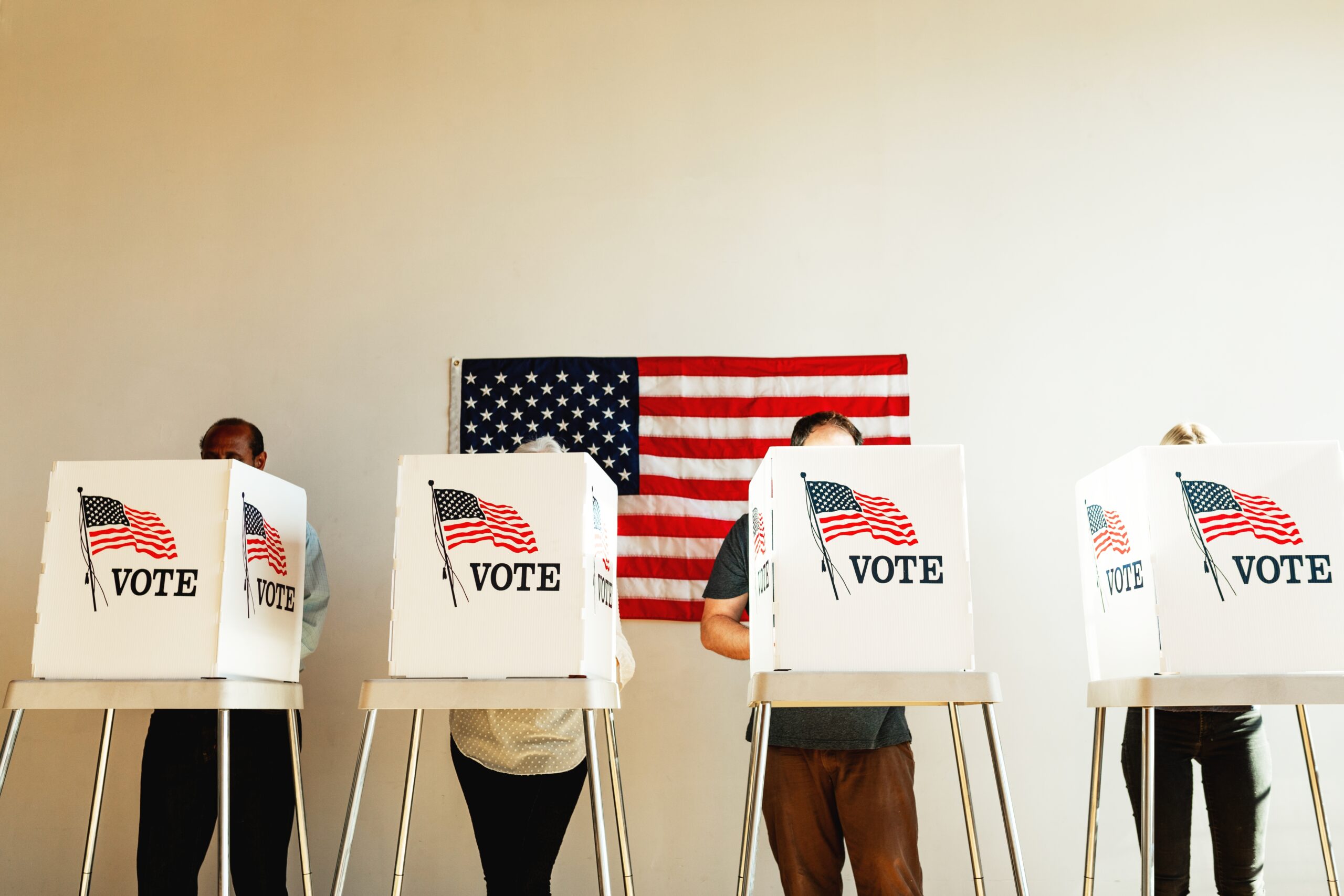
When our elected officials and public servants target the U.S. election process, they fracture Gen Z’s perceptions of election outcomes, and constrict young Americans’ ability to influence policy and choose leaders that represent them. Awareness of what’s at stake is a meaningful first step toward overcoming these threats.
Read this resource as a PDF Read this resource as a PDF
🗳️Free & Fair Elections: What Does It Mean?
Free and fair elections ensure that every eligible voter can participate without interference and that every vote is counted accurately. This means voters can cast their ballots safely, election systems are secure, clear rules are applied consistently, and results are respected and certified according to the law. When these conditions are met, people have real power to shape their government. When they are undermined, public trust and participation can break down.
Threat 1: Deceive, By Promoting Election Disinformation
The goal of this threat is simple: erode confidence in the 2026 midterms (and beyond) by flooding the zone with lies and disinformation. Here’s how this plays out:
- Manufacturing Fraud: Federal agencies create the appearance of election fraud out of thin air. An example of this is a January 2026 FBI raid on a Georgia election office based on false conspiracy theories.
- “Noncitizen” Voting: Public officials share false claims that noncitizens are “stealing elections,” even when audits indicate that noncitizen voting is very rare.
- Gutting Security: The administration gets rid of election protection and security infrastructure, like the FBI task force tracking foreign influence.
Threat 2: Disrupt, Through Manipulation and Intimidation
This threat aims to (1) scare people into not voting, and (2) change election rules to make it harder for Americans to vote. Some ways this administration is doing this:
- Targeting Critics: The federal government investigates and prosecutes political opponents, journalists, nonprofits, and nonpartisan election officials to silence them and create a “chilling” effect on free speech.
- Voter Intimidation: The administration threatens to put ICE agents or federal law enforcement at polling locations to scare and discourage immigrants and people of color from voting.
- Rule Manipulation: The Executive Branch forces the passage of proposed laws like the SAVE Act, or uses Executive Orders to create strict ID requirements that could block millions of eligible Americans from voting, including young people whose student IDs may not qualify.
- Accessing Voter Rolls: Authoritarian efforts have targeted state voter rolls to scrutinize and potentially restrict who can vote. The Department of Justice has requested sensitive voter registration data from states, and in some cases, shared it with federal agencies like the Department of Homeland Security to run citizenship checks through the SAVE system. Many states pushed back, raising concerns about voter privacy and state authority over elections. The SAVE system has also incorrectly flagged eligible voters, putting students, naturalized citizens, and young voters at risk of being wrongly targeted, removed from voter rolls, or discouraged from voting.
Threat 3: Deny, By Rejecting Election Results
This threat is all about what the administration could do to reject election results and overthrow them. Here’s how this could go down:
- Seizing Voting Machines: Federal agents could take voting machines or ballots on election night, which stops the count and messes up the election certification process.
- Encourage Refusal of Certification: The Executive Branch could encourage or pressure local officials so they refuse to certify results.
- Congressional Intervention: The administration may turn to allies in Congress to manipulate election procedures through pressure, or even threats of violence. As a result, Congress ultimately refuses to seat legitimately elected members.
So, What Can We Do?
Here are some actions young people can take to actively protect and participate in upcoming U.S. elections:
| 📚 Educate & Activate | 📣 Show Up | 🤝 Advocate & Support |
|---|---|---|
| Send the Voter Journey Map to your friends, family, and community members! | Make sure your voter registration is up to date. | Use resources like the EAC Voter Education Design Toolkit to create effective communication materials. |
| Create a curated reading list of resources and books on democracy, authoritarian threats, and historical activism to share with young people for context and inspiration ahead of the midterms. | Report voter intimidation or disinformation when you see it. | Find and join peaceful protests near you. |
| Work with others to organize a voter registration drive on campus, in your neighborhood, or online. | Volunteer as a nonpartisan election observer. | Help your community navigate barriers to voting, ex. setting up a rideshare schedule for those without transportation. |
Read Executive Override, our 2026 election report Read Executive Override, our 2026 election report
Explore all resources in the The Gen Z Election Defense Toolkit. The toolkit is designed to support youth-focused organizations and groups taking action this election season to educate young voters and build youth power. Explore all resources in the The Gen Z Election Defense Toolkit.
Legal disclaimer
This document includes links to resources created and maintained by a number of different sources. Protect Democracy does not guarantee the accuracy or completeness of any linked information, nor is the inclusion of any link intended to be an endorsement of any kind. This resource is not meant to, and does not, offer legal advice; nor should it be construed as legal advice on any specific facts or circumstances. The contents are intended for general information and educational purposes only, and should not be relied on as if it were advice about a particular fact situation. The distribution of this resource is not intended to create, and receipt of it does not constitute, an attorney-client relationship with Protect Democracy. In order to protect your vote, please refer to your state election authority’s website for the most up-to-date information as voting laws are constantly changing. Protect Democracy last edited this toolkit on April 16, 2026.
Related Content
-
Frequently asked questions about the 2026 midterm elections
- Protecting Elections
- Research & Analysis
- Explainer
-
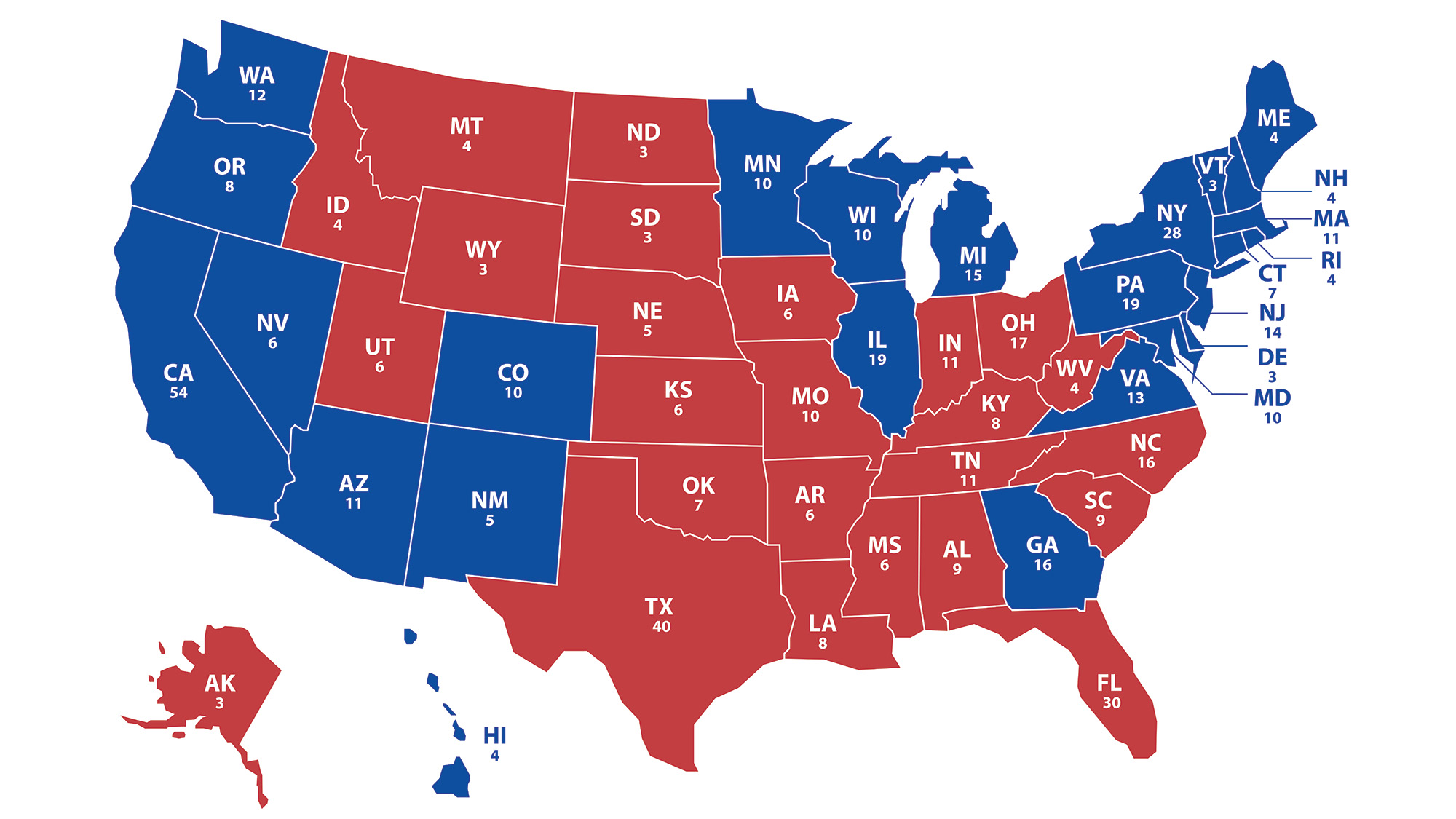
The ‘blue shift’ and ‘red mirage’ in election results, explained
- Protecting Elections
- Research & Analysis
- Analysis
-

DOJ’s attempt to acquire state voter data, explained
- Protecting Elections
- Research & Analysis
- Explainer
-
Understanding federal demands for election records
- Protecting Elections
- Research & Analysis
- Toolkit
Join Us.
Building a stronger, more resilient democracy is possible, but we can’t do it alone. Become part of the fight today.
Donate
Sign Up for Updates Sign Up for Updates
Explore Careers Explore Careers
How to Protect Democracy How to Protect Democracy