Protecting voter privacy and the integrity of U.S. elections
- June 11, 2026
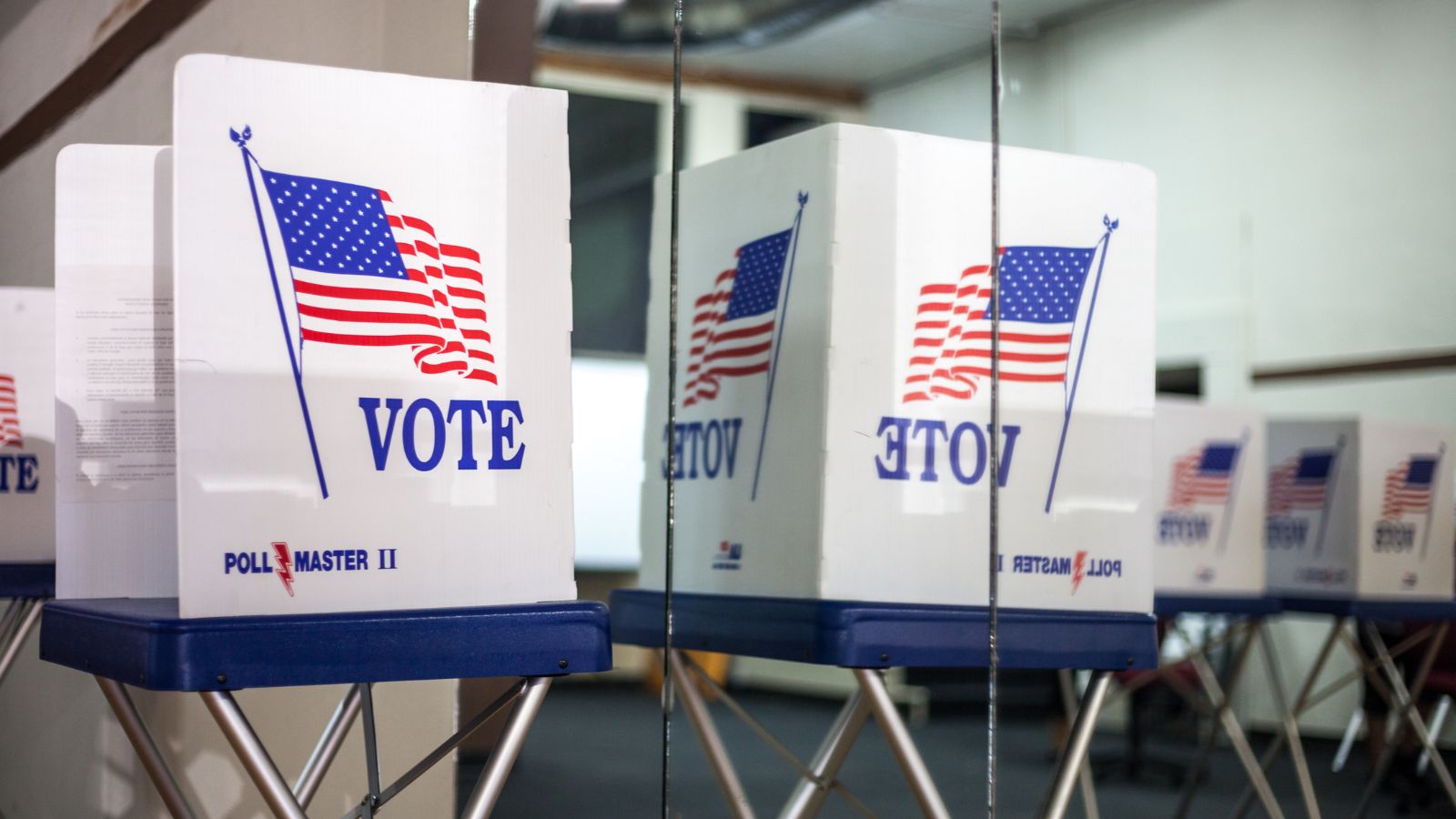
Protect Democracy and co-counsel represent Common Cause and four individual voters in a lawsuit to stop the Department of Justice (DOJ) from building an unprecedented national voter database. The DOJ plans to use this database to seize control of voter list maintenance from the states, pressure states into purging voters based on unreliable SAVE system matches, and to baselessly undermine trust in the integrity of our elections.
Protect Democracy is fighting back by safeguarding Americans’ privacy and defending the electoral process from unlawful federal interference.
DOJ’s attempt to acquire state voter data, explained DOJ’s attempt to acquire state voter data, explained
Co-counsel
- Citizens for Responsibility and Ethics in Washington (CREW)
- American Civil Liberties Union (ACLU)
- American Civil Liberties Union of the District of Columbia (ACLU-D.C.)
- Democracy and the Rule of Law Clinic at Harvard Law School
Background
Over the past year, the DOJ has demanded full unredacted voter rolls from at least 49 states and Washington, D.C. These records vary by states but include sensitive personal data such as home addresses, partial social security numbers, drivers’ license numbers, and voting participation history. The agency intends to compare state voter list data with the Department of Homeland Security’s (DHS) notoriously inaccurate Systematic Alien Verification for Entitlements (SAVE) system in an effort to identify suspected noncitizens on state voter rolls. But the SAVE system has repeatedly and mistakenly flagged lawful U.S. citizens as ineligible to vote.
Nevertheless, the DOJ is claiming unprecedented authority to demand that states remove any flagged voters within 45 days of informing states. DOJ also intends to share these state voter rolls with unnamed third party contractors for reasons that remain unclear. No law gives the DOJ the authority to conduct this kind of list maintenance activity, which Congress has specifically and exclusively assigned to states.
At least 18 states (including Alabama, Alaska, Arkansas, Florida, Indiana, Iowa, Kansas, Louisiana, Mississippi, Montana, Nebraska, Ohio, Oklahoma, South Carolina, South Dakota, Tennessee, Texas, and Wyoming) have complied with the DOJ’s demands for their unredacted state voter rolls.
The DOJ has sued every state that has not given in to its demands to force the states to hand over their voter data. However, judges (in fact, every judge to have ruled on this issue) in eight states — Arizona, Maine, Wisconsin, Michigan, Oregon, California, Massachusetts, and Rhode Island — have dismissed the DOJ’s lawsuits, ruling that the agency’s demands for this confidential data are unlawful.
Why It Matters
The law is clear that the DOJ does not have the authority to stockpile and share voters’ sensitive personal data or purge them from state voter lists. The DOJ’s demands not only run counter to states’ authority to administer elections and maintain their voter rolls, they also risk voters’ right to privacy and could subject millions of records to cyber threats.
With the 2026 midterms rapidly approaching, the DOJ’s actions are part of a brazen attempt by the Trump administration to deceive the public with false claims about voter fraud, disrupt how states run their elections, and deny the results they don’t like. By stripping states of authority over their own voter rolls, the DOJ is laying the groundwork to challenge future election results and building a framework for federal interference that could outlast this administration.
Read more: How the Trump administration plans to interfere with the 2026 elections, and what you can do about it Read more: How the Trump administration plans to interfere with the 2026 elections, and what you can do about it
Anthony Nel, a plaintiff from Texas who was removed from voter rolls 30 days after the SAVE system flagged him as a potential noncitizen, explains why this fight belongs to every American:
“I’ve been a U.S. citizen for over a decade and a voter for nearly as long. I found out my voter registration was canceled because the government is using a system it knows doesn’t work correctly for people like me. The DOJ should not be building a national database out of our most sensitive, personal information when it can’t even get this right.”
PlaintiffsPlaintiffs
- Common Cause
- Common Cause Education Fund
- Ruth Nasrullah
- Anthony Nel
- Haley Smith
- Linda Duckworth
Defendants
- U.S. Department of Justice
- Todd Blanche, Acting U.S. Attorney General
Case documents
Plaintiffs' Opposition to Defendants' Motion to Dismiss June 12, 2026 Plaintiffs' Opposition to Defendants' Motion to Dismiss
Defendants' Response Opposing Partial Summary Judgment Filing June 2, 2026 Defendants' Response Opposing Partial Summary Judgment Filing
Plaintiffs' Motion for Partial Summary Judgment May 19, 2026 Plaintiffs' Motion for Partial Summary Judgment
Complaint April 21, 2026 Complaint
Featured press

Civil rights groups sue to keep DOJ from reviewing state voter lists Civil rights groups sue to keep DOJ from reviewing state voter lists

DOJ Sued Over Push to Gather Sensitive Registered Voter Data DOJ Sued Over Push to Gather Sensitive Registered Voter Data
DOJ Faces Fresh Suit Over Push to Collect Voter Information DOJ Faces Fresh Suit Over Push to Collect Voter Information
Voting rights groups sue Trump administration to stop collection of voter data Voting rights groups sue Trump administration to stop collection of voter data
Trump’s DOJ sued over campaign to amass data on millions of voters Trump’s DOJ sued over campaign to amass data on millions of voters
Tennessee handed over voter data. Now the DOJ faces a lawsuit over its stockpile. Tennessee handed over voter data. Now the DOJ faces a lawsuit over its stockpile.
Related Content
-
Federal court rules DOJ data demands violate voter privacy & states’ election authority
- Protecting Elections
- Litigation
- Statements
-
Frequently asked questions about the 2026 midterm elections
- Protecting Elections
- Research & Analysis
- Explainer
-
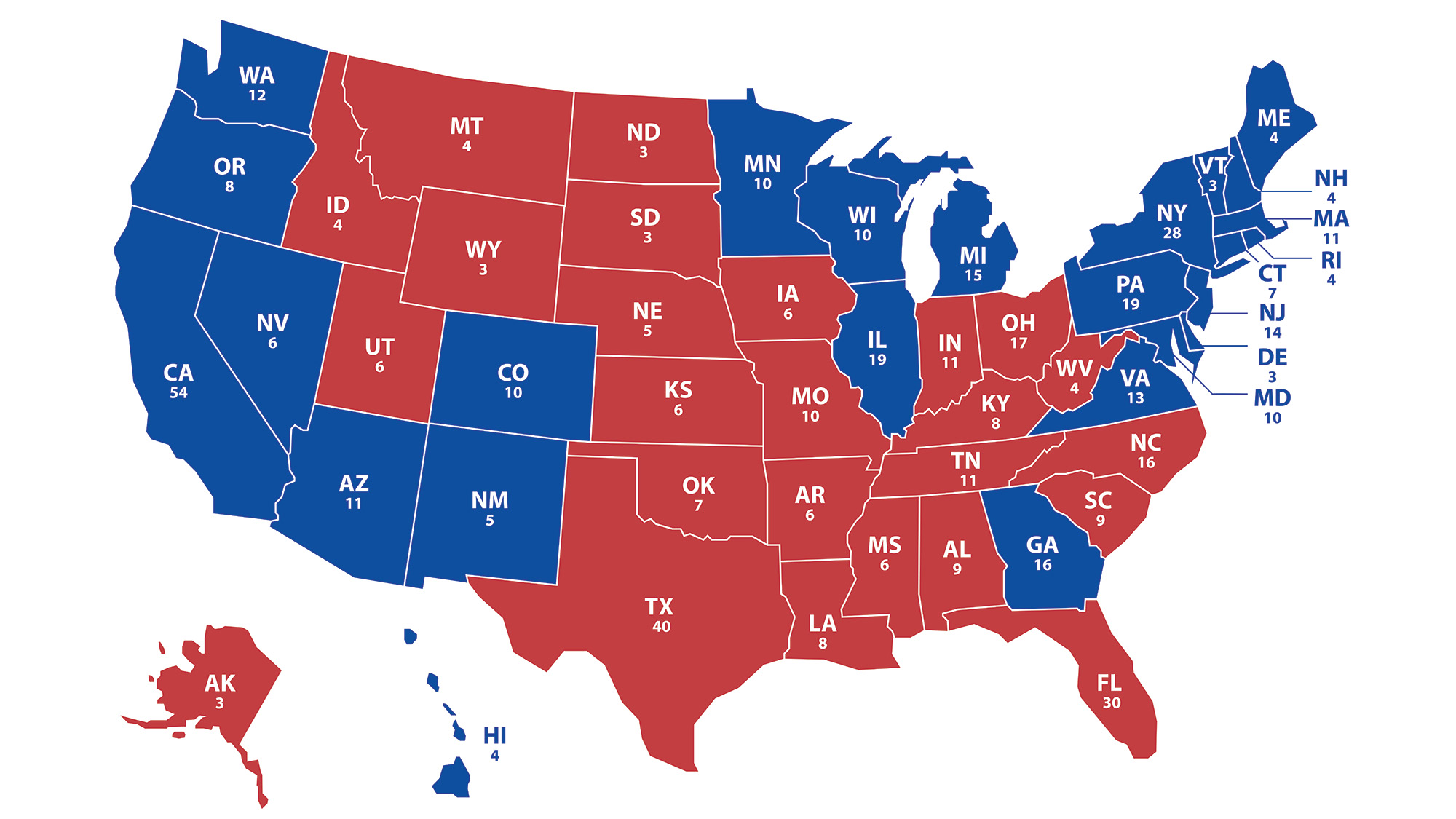
The ‘blue shift’ and ‘red mirage’ in election results, explained
- Protecting Elections
- Research & Analysis
- Analysis
-

DOJ’s attempt to acquire state voter data, explained
- Protecting Elections
- Research & Analysis
- Explainer
Join Us.
Building a stronger, more resilient democracy is possible, but we can’t do it alone. Become part of the fight today.
Donate
Sign Up for Updates Sign Up for Updates
Explore Careers Explore Careers
How to Protect Democracy How to Protect Democracy