The dangers of military intervention in civilian law enforcement
- June 8, 2026
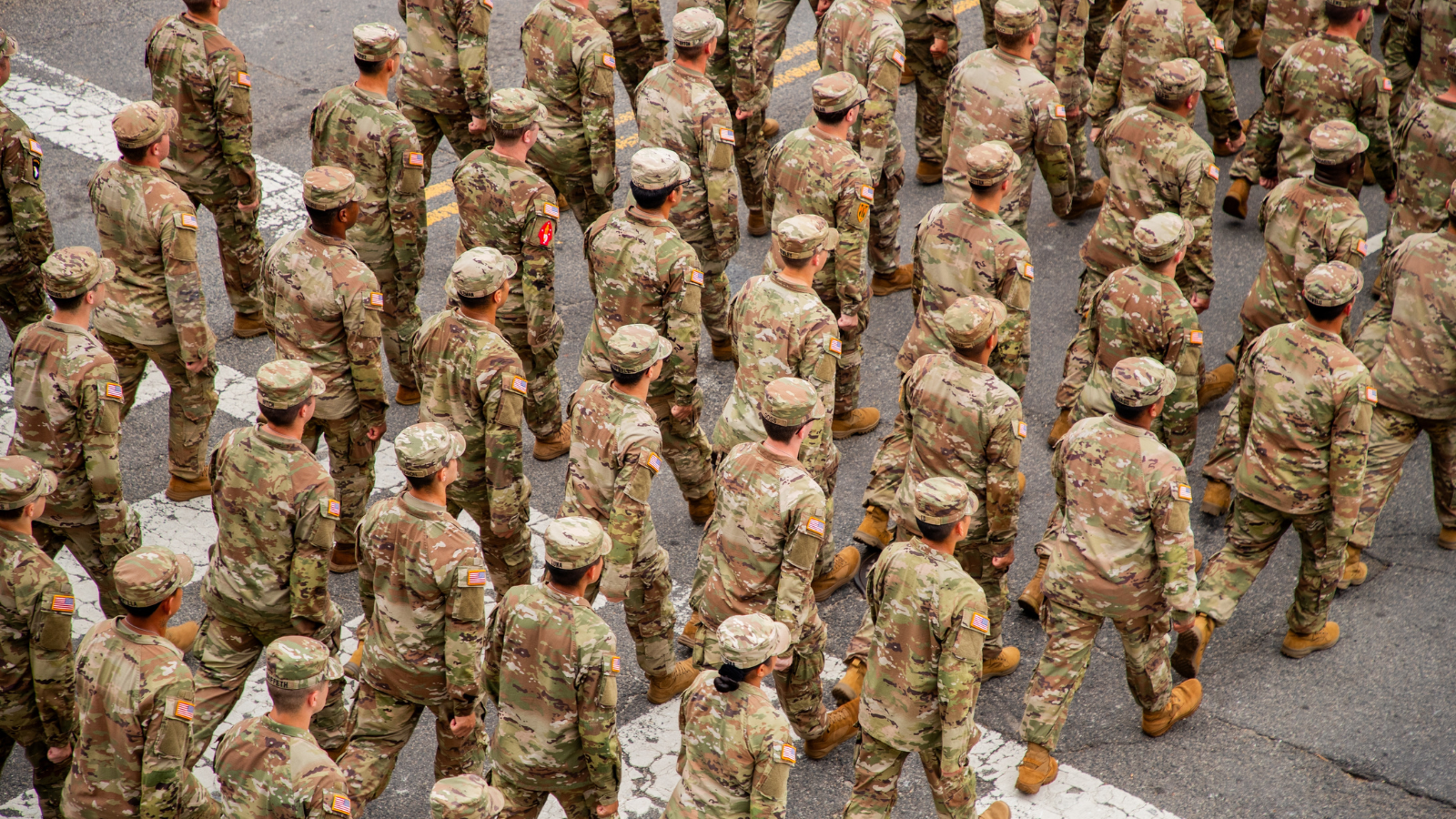
For over two centuries, the historical and legal boundaries separating the U.S. Armed Forces from civilian law enforcement have been essential to the development of healthy civil-military relations, the bulwark of democracy. While military personnel are trained primarily for external defense against foreign adversaries, civilian law enforcement is responsible for upholding domestic law and safeguarding constitutional rights. The legacy of a heavy-handed British army wreaking havoc with citizens and local governments in the colonies inspired our Founders and early lawmakers to vest the legal authority for law enforcement in the hands of civilian — not military — officials.
Consequently, large majorities of Americans view the maintenance of distinct civil and military spheres as vital for public safety and democracy. Because of these distinct roles and responsibilities, military policing has remained exceedingly rare throughout much of U.S. history — until recently.
Read our report: The Dangers of Military Intervention in Civilian Law Enforcement Read our report: The Dangers of Military Intervention in Civilian Law Enforcement
“The Dangers of Military Intervention in Civilian Law Enforcement” examines our nation’s concerning trend toward increased domestic troop deployments, which threaten to erode long-standing civil-military boundaries and the military’s apolitical tradition, putting at risk the very democracy our military was tasked with safeguarding. Drawing on episodes of federal military interventions on U.S. soil — from the 1794 Whiskey Rebellion to the 1932 Bonus Army March and other recent domestic troop deployments — as well as evidence from international experiences with military policing, this report identifies the common dangers inherent to military intervention in civilian law enforcement, including:
Escalation
Military personnel are trained for military operations, not civilian law enforcement. Consequently, military interventions in domestic policing rarely improve public safety. Instead, they often escalate unrest due to a higher risk of excessive force, jeopardizing the rights of citizens and risking bodily harm to civilians and troops alike.
Disillusionment
Military interventions in civilian law enforcement lead to perceived and actual “mission creep” as troops assume policing duties beyond the scope of their combat training. Such misalignment between mission and training can erode civil-military relations, undermining trust and breeding disillusionment within the ranks of both civilian law enforcement and the armed forces.
Politicization
Because domestic military interventions often exceed traditional civil-military boundaries, they risk politicizing the armed forces and their role in civilian affairs, allowing the military to become a tool for authoritarian abuse. Political leaders tend to exploit these interventions for their own gain, undermining democratic accountability, the rule of law, and public trust in the military.
In the United States, our Founders wisely integrated their early skepticism of military policing into a constitutional and legal framework that, for 250 years, has maintained a clear divide between the roles of internal security and external defense. While many democracies have established similar boundaries, aspiring autocrats worldwide have conversely sought to co-opt their militaries to consolidate power. When these civil-military lines blur, even well-intentioned domestic military operations can produce unintended consequences that are difficult to reverse.
Unwarranted domestic troop interventions threaten not only the rule of law and civil society under the pressures of military might, but also the military’s own force readiness. By diverting focus and resources away from core national security competencies — along with the misalignment between combat training and the de-escalation skills required for effective civilian policing — domestic military operations frequently result in degraded security outcomes. Given their vulnerability to autocratic abuse, domestic military interventions in civilian law enforcement necessitate a high degree of skepticism, especially when troop deployments are driven by political considerations rather than as a measure of last resort.
Read the report Read the report
Related Content
-
Frequently asked questions about the 2026 midterm elections
- Protecting Elections
- Research & Analysis
- Explainer
-
The ‘blue shift’ and ‘red mirage’ in election results, explained
- Protecting Elections
- Research & Analysis
- Analysis
-

DOJ’s attempt to acquire state voter data, explained
- Protecting Elections
- Research & Analysis
- Explainer
-
Understanding federal demands for election records
- Protecting Elections
- Research & Analysis
- Toolkit
Join Us.
Building a stronger, more resilient democracy is possible, but we can’t do it alone. Become part of the fight today.
Donate
Sign Up for Updates Sign Up for Updates
Explore Careers Explore Careers
How to Protect Democracy How to Protect Democracy