Jared Davidson is a seasoned litigator whose work focuses on creating a more representative and responsive democracy and also ensuring free and fair elections.
Understanding federal demands for election records
- September 30, 2026
State overviews for election officials and government attorneys on what the law says and suggestions on how to prepare ahead of the midterms
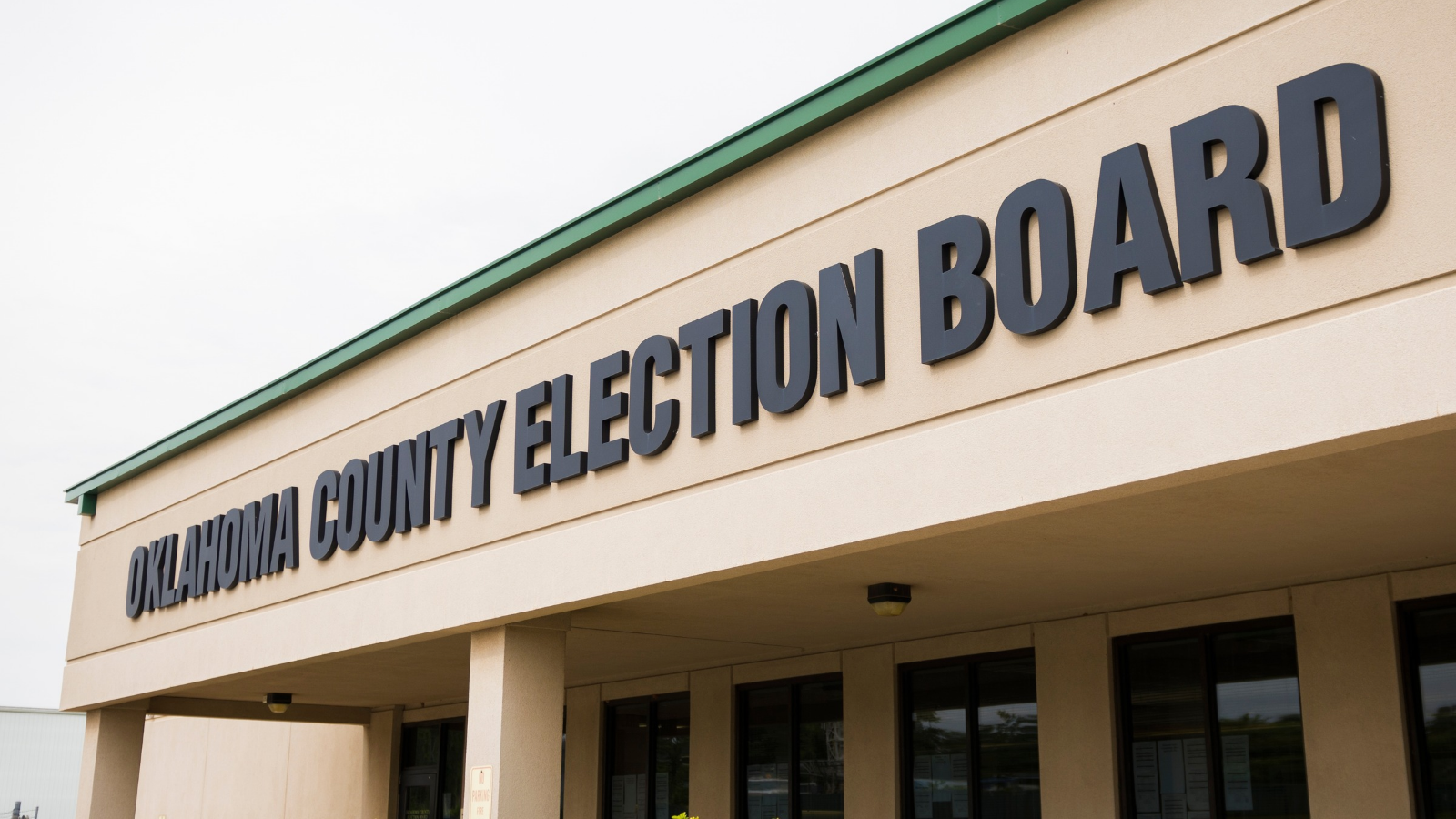
These overviews are intended to outline possible preparatory actions for a scenario where federal authorities seek custody of ballots or other election records during the 2026 midterm elections or while post-election processes required by state law are still ongoing.
While this scenario may seem improbable, it is no longer hypothetical. In 2026, federal authorities sought, and in some cases obtained, election records in several jurisdictions. In January, the FBI executed a search warrant on the Fulton County, Georgia, elections office and seized hundreds of boxes of records from the 2020 general election. In April, the U.S. Department of Justice sent a written demand to Wayne County, Michigan, for all ballots, ballot receipts, and ballot envelopes from the November 2024 federal election. Federal authorities have also subpoenaed 2020 election materials held by the Arizona State Senate.
These examples involve records from past elections, but they illustrate the mechanisms through which federal law enforcement could seek election materials during an ongoing election, when the legal and practical stakes are highest. As explained in the overviews, and by multiple prominent election experts elsewhere, federal law imposes strict limitations on whether and how federal law enforcement can obtain election-related materials from state or local election officials. Moreover, such efforts to obtain ballots may conflict with numerous state election laws, including chain of custody, certification timelines, confidentiality, and criminal laws. Accordingly, it is important that everyone, including election officials and their attorneys, understand the limits of federal law in this area in order to ensure that state election laws are followed.
Disclaimer: This publication should not be construed as legal advice on any specific facts or circumstances. The contents are intended for general information and educational purposes only, and should not be relied on as if it were advice about a particular fact situation. The distribution of this publication is not intended to create, and receipt of it does not constitute, an attorney-client relationship with Protect Democracy. This publication also contains hypertext links to information created and maintained by other entities. Protect Democracy does not control or guarantee the accuracy or completeness of this outside information, nor is the inclusion of a link to be intended as an endorsement of those outside sites.
About the Authors


Related Content
-
What to expect during the 2026 election season
- Protecting Elections
- Research & Analysis
- Explainer
-
Can federal law enforcement or troops be deployed to the polls?
- Protecting Elections
- Research & Analysis
- Explainer
-
Noncitizen voting lies, explained
- Protecting Elections
- Research & Analysis
- Explainer
-
Why emergency powers don’t allow presidents to interfere with elections
- Stopping the Consolidation of Power
- Research & Analysis
- Explainer
Join Us.
Building a stronger, more resilient democracy is possible, but we can’t do it alone. Become part of the fight today.
Donate
Sign Up for Updates Sign Up for Updates
Explore Careers Explore Careers
How to Protect Democracy How to Protect Democracy