What is anticipatory obedience?
- March 23, 2026
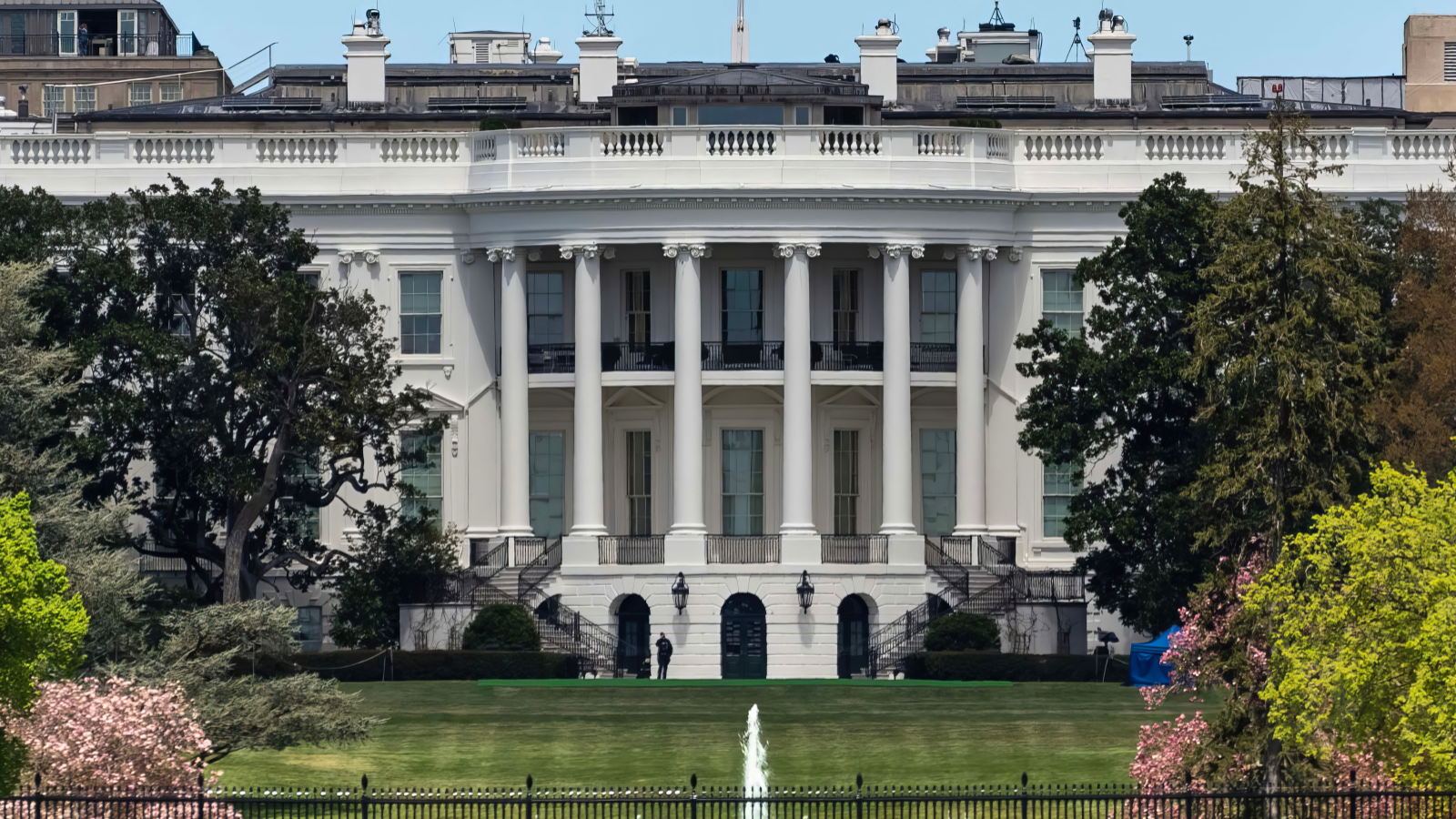
Authoritarian regimes, by their very nature, want to bend entire nations to their will. The goal of every autocrat is to give an order knowing full well that, whatever its contents, it will be met with minimal resistance.
People and organizations faced with this sort of threatening landscape – including those that might serve as important checks on abuses of power – are often tempted to engage in what historian and democracy expert Timothy Snyder termed “anticipatory obedience.”
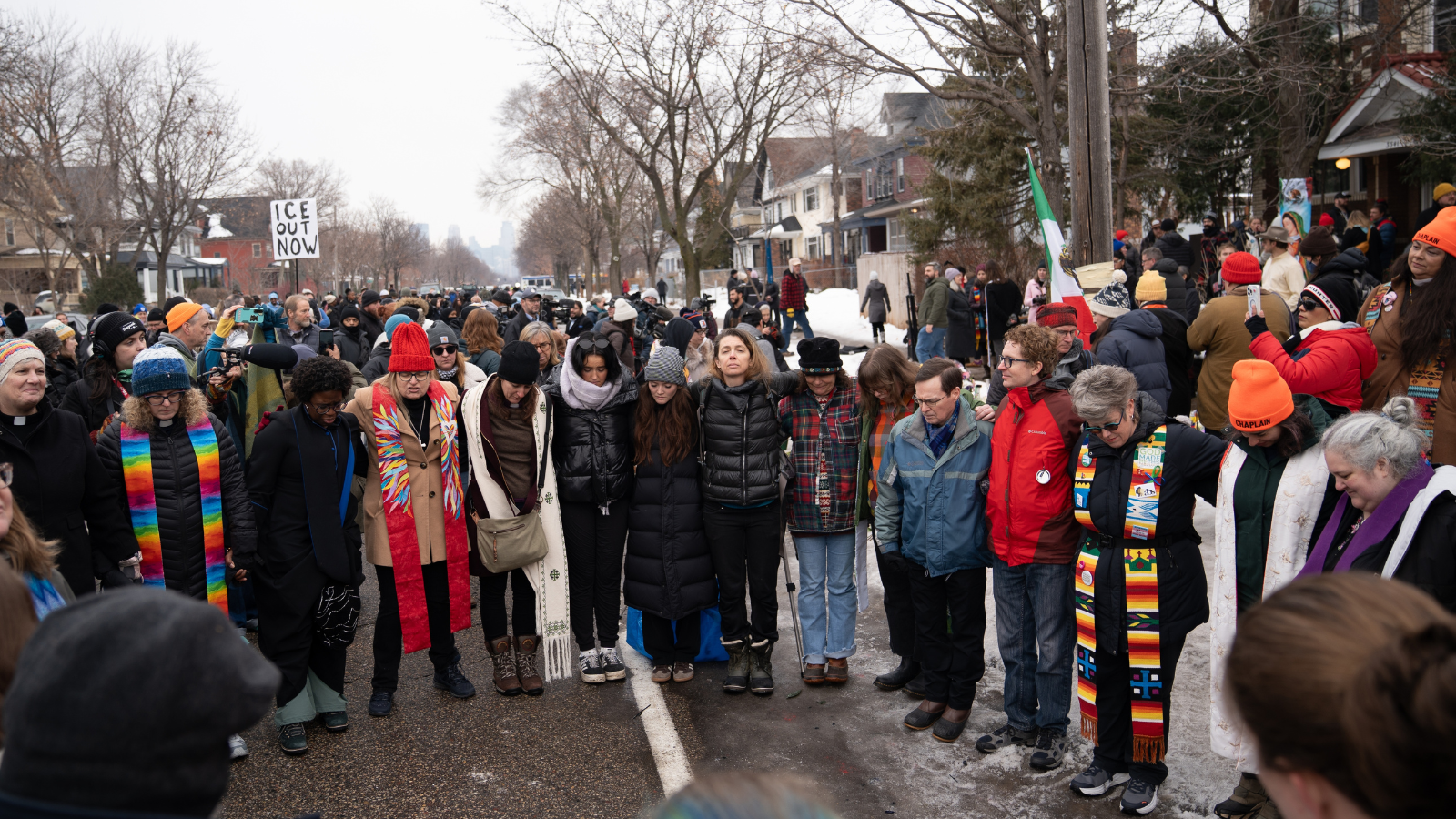
Collective action, explained Collective action, explained
What is anticipatory obedience?
Anticipatory obedience is when a person or institution obeys an autocrat in advance — before any direct threat has been issued. It usually stems from an environment of fear where, having seen the predatory behavior of the autocrat towards other people or institutions, the person that’s obeying is fearful of the consequences they might face if they don’t. People under threat naturally do what they can to avoid injury and maximize their chances of survival. And they do the same for the organizations they run.
Autocrats exploit this tendency toward self-preservation. They make a point of targeting one individual or organization in part to send a message to others. They want critics and opponents to decide that the threat of continuing their work (particularly criticizing the autocrat) is too great and that standing up to them is too risky. That’s why autocrats often start by attacking organizations that are under-resourced or that work with marginalized populations. The intended effect is a spiral of democratic decline — a sort of feedback loop.
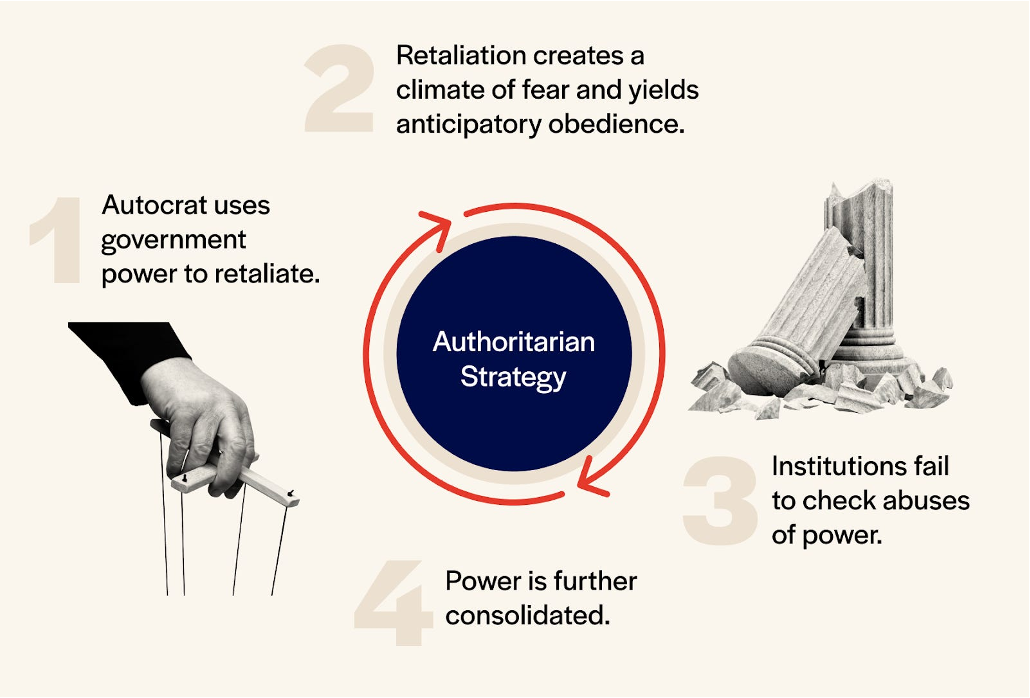
Here’s how it works:
- The autocrat sows fear and division. First, the autocrat uses the tools of government power to threaten or retaliate against a dissenter or perceived enemy, which contributes to a climate of fear and sows division.
- Opponents leave the field. Then, those who worry they could be next begin to take themselves off the field. They fall in line or stop opposing the autocrat out of fear of consequences even before they themselves are targeted. That leaves fewer people and organizations standing up to challenge the autocrat.
- Institutions falter. Without broad support (or pressure) from civil society or the public, the institutions that should provide important checks and balances — like the courts and the media — fail to check the autocrat’s abuses of power.
- The autocrat becomes more powerful. The unchecked autocrat further consolidates power.
And so on, and so on. . .
Collective action is the only way out
Anticipatory obedience is a vicious cycle, but not an irreversible one.
Through collective action, we can work together to resist the threats of the autocrat. It’s through collective action that we can reverse the cycle of capitulation. It works like this:
- It creates social proof. Public opinion is not formed by facts alone — it’s shaped by social cues. When a single institution speaks out, it can be ignored or written off. But when dozens of institutions deliver the same message, it signals to the public that there’s a consensus — that the attack is illegitimate, dangerous, and unacceptable. This is how social movements work. It’s how public opinion on civil rights, marriage equality, and even environmental issues shifted over time. When enough voices say the same thing, it becomes harder for the public to dismiss the message — and harder for the autocrat to claim they are merely facing isolated, unrepresentative critics.
- It creates a defensive shield. When law firms, universities, or media organizations defend each other, they create a collective shield that raises the cost of targeting any one institution. If attacking one law firm means provoking a coordinated defense from the entire legal community, it’s no longer an easy win — it’s a complicated, high-cost fight.
- It forces public officials to pick sides. Politicians are risk-averse. When one institution is attacked, most political figures will avoid taking a stand. But when an entire sector mobilizes — when law firms, universities, and media outlets issue coordinated statements and legal challenges — it raises the political stakes. Staying silent becomes politically costly. Politicians are forced to either back the autocrat or defend the institutions — and that polarization strengthens the resistance.
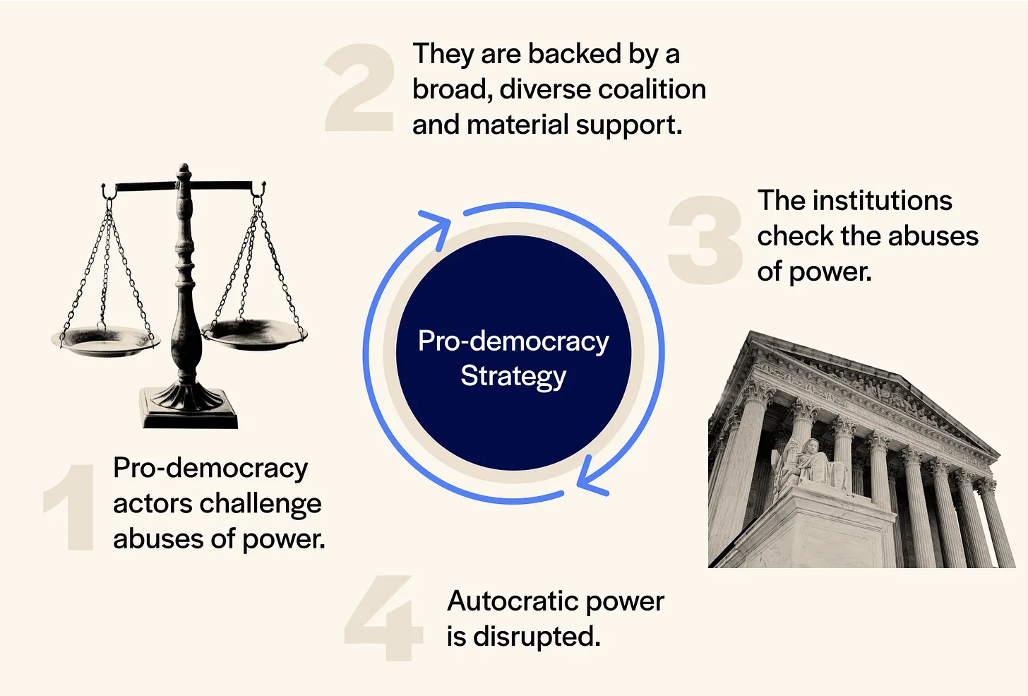
Collective action provides us a path out of cycles of anticipatory obedience, and towards something affirmative. Authoritarians want their populace to be afraid of retaliatory action. We can either be cowed, hoping that someone else will wind up worse off, or stand together.
Related Content
-

A primer on party preferential voting
- Shaping the Democracy of Tomorrow
- Research & Analysis
- Reports
-
A guide to understanding the federal grand jury
- Building Pro-Democracy Collective Action
- Research & Analysis
- Analysis
-
The SAVE tool, explained
- Protecting Elections
- Research & Analysis
- Analysis
-

Tracking retaliatory use of arrests, prosecutions, and investigations by the Trump administration
- Stopping the Consolidation of Power
- Research & Analysis
- Analysis
Join Us.
Building a stronger, more resilient democracy is possible, but we can’t do it alone. Become part of the fight today.
Donate
Sign Up for Updates Sign Up for Updates
Explore Careers Explore Careers
How to Protect Democracy How to Protect Democracy