The federal government does not administer them and has no legal authority to change the results.
What to expect during the 2026 election season
- October 20, 2026
A guide to the days before and after Election Day and when to expect final results
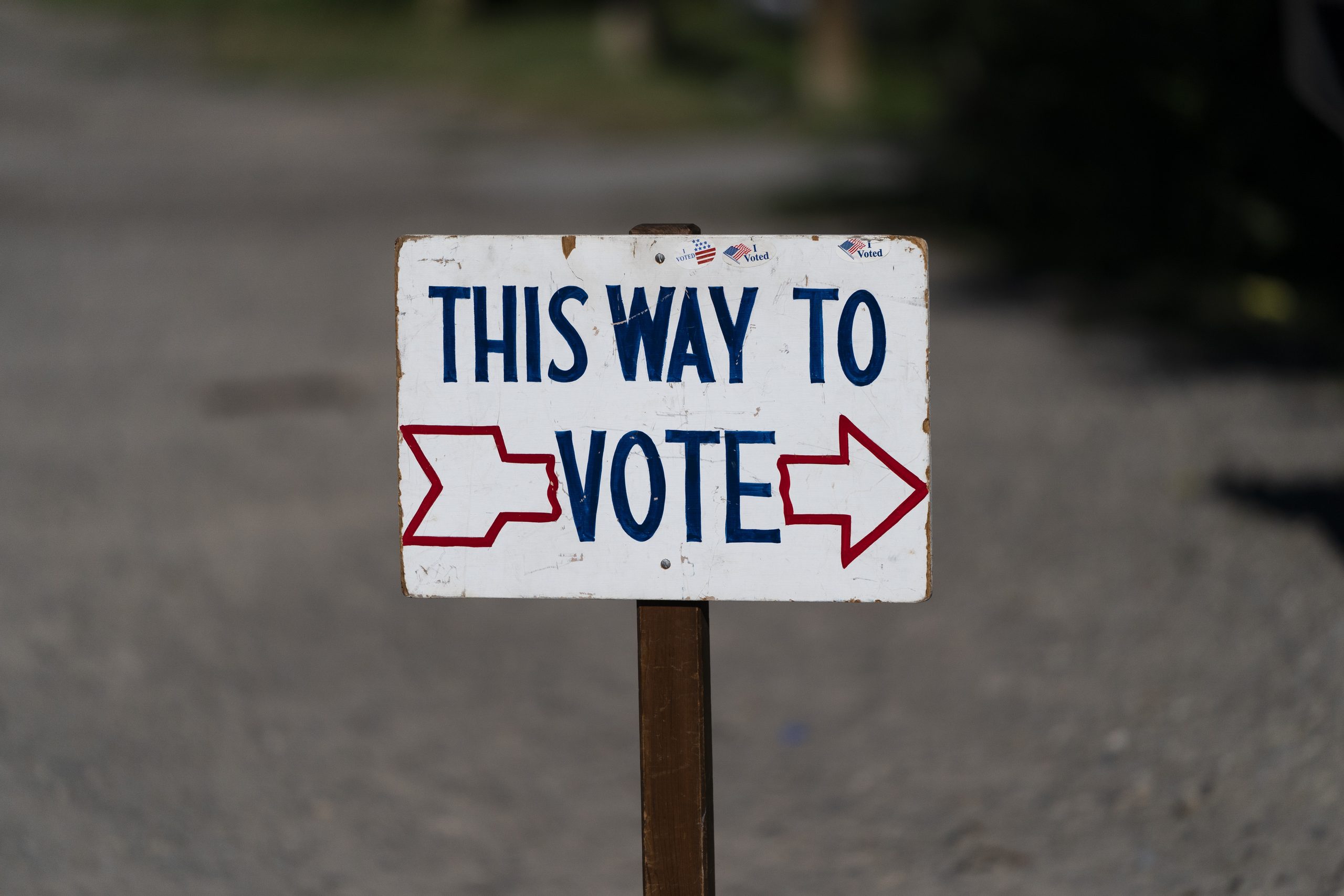
For most voters, the 2026 midterms will look like elections you’ve voted in before. Ballots will be cast and counted, and results certified on schedules set by state law.
What’s different this year is unprecedented pressure and attempted interference from the executive branch of the federal government, which has been working to undermine free and fair elections in a pattern we call Deceive, Disrupt, Deny. Many of the worst interference attempts have already failed. The SAVE Act has failed to pass, courts have blocked most of the president’s election executive orders, and courts have rejected federal demands for unredacted state voter rolls.
Still, as we move closer to election day and the process that follows, we expect this Deceive, Disrupt and Deny strategy to take on new forms. We all need to remain vigilant and aware throughout the election season: through the process of voting, counting and certification.
As the election season progresses, be mindful that dates and rules vary by state, so check your state’s election calendar for specifics.
Key facts to rememberKey facts to remember
Elections are run by states and local officials.
The U.S. election system is extremely decentralized.
We don’t have a national election authority an individual can seize. We have thousands of local elections across 3,000+ counties and 175,000 precincts.
Certifying results is a legal duty, not a choice.
Every county that has tried to refuse since 2020 certified in the end.
Nearly every ballot is recorded on paper so that any count can be checked.
Any count can be checked against a verifiable paper trail.
A long count is evidence that safeguards are running, not that they failed.
A longer count means officials are checking their work and is a standard and expected part of the process.
What to expect in the days before Election Day
The final few days before an election are busy and mostly routine. Early voting is under way in most states, mail ballots are arriving at election offices, and officials are preparing polling places. Federal law also prohibits any systematic removals after 90 days prior to the election. It is not a window that ends on election night and they cannot do systematic removals of voters impacting this election after the election either.
What you might hear, and what it means
- False information about where, when, or how to vote, sometimes dressed up as voter outreach. You can expect this kind of information to target you late in the process, close to Election Day, when there’s not much time to correct it. Your state or county election office is the reliable source for polling places, hours, and ID rules.
- Claims that voter rolls are full of ineligible voters. When states check, they find very few ineligible voters. In 2024, Georgia’s Republican secretary of state reviewed all 8.2 million registered voters in the state and found 20 noncitizens, none of whom had voted that November. Claims like these can leave people doubting the results before anyone has even voted. If you’re eligible, your registration is protected. Federal law, specifically the National Voter Registration Act, bars mass removals this close to an election, and if an election official claims there are problems with your registration, confirm that you are at the proper polling place and then demand a provisional ballot as well as specific instructions on the steps required to ensure your ballot is counted Call the Election Protection Hotline to report and for additional support.
- Last-minute lawsuits seeking to change voting rules. Courts are generally reluctant to change the rules this close to an election, and these suits are rarely successful.
- Talk of federal agents near polling places. Sending armed federal agents or troops to polling places is illegal under federal law (18 U.S.C. § 592). The prospect of agents at the polls is meant to scare and discourage eligible voters from voting but federal law also protects voters from intimidation. Under Section 11(b) of the Voting Rights Act and the Ku Klux Klan Act, it is strictly illegal to intimidate, threaten, or coerce voters. If you experience or witness voter intimation report it to the Election Protection Hotline.
What you can do
Make a plan to vote Make a plan to vote
Check your registration and polling place Check your registration and polling place with your state or county election office rather than relying on texts or social posts.
Help others in your community vote safely and freely Help others in your community vote safely and freely
What happens on Election Day
Every election is run by humans and on any Election Day some small things may go wrong. For example, in 2024, a scanner in one Pennsylvania county wouldn’t read ballots, and in another place election workers couldn’t find a key. Lines run long in some places and officials or courts sometimes extend voting hours. Safeguards exist so that problems like these are caught and corrected quickly.
What you might hear, and what it means
- One local equipment problem described as proof of a wider failure. A malfunction in one precinct doesn’t reflect a problem with the results in a county or state. And, remember, that’s why the paper record is there to check against.
- Reports of threats at polling places. In 2024, hoax bomb threats reached dozens of polling places in several states. Officials extended hours, and the impact on voters was minimal.
- Confusion between poll workers and self-appointed “monitors”. Official poll watchers are credentialed and subject to strict state rules about where they can stand and what they can do. Unofficial, self-appointed groups hovering around polling places or drop boxes to challenge voters have no legal authority and can be reported for voter intimidation.
- Early claims of victory. Candidates can claim victory on election night but only the official count results decide who won.
What you can do
If something seems wrong, tell someone If something seems wrong, tell a poll worker or contact your local election office or the Election Protection Hotline. /span>
If you’re still in line when polls close, stay in line If you’re still in line when polls close, stay in line, because you can still vote.
What happens after the polls close?
Election night numbers are unofficial and will change. States count different kinds of ballots at different times and voters who favor one party may also favor one way of voting, like mail-in voting or early voting, over others. So one candidate may lead early and another may close the gap as later ballots are counted. Those shifts come from the order of the count.
Also, some states take longer than others. California and several others have longer timelines because of how their laws handle mail ballots. In a number of states, ballots postmarked by Election Day can arrive afterward and still be counted, a practice the Supreme Court upheld in June.
Because of all the above, expect limited information in the days following the election. Since accurate counting takes time, bad actors will try to fill silence with conspiracy theories. Give the count the time it needs.
What you might hear, and what it means
- Claims that ballots counted later are suspicious or appeared from nowhere. Later batches are ballots that took longer to process or arrived within the legal window. Election offices keep records of who handles ballots and when, and reconcile the number of ballots at each step.
- Calls to stop the count. Courts have generally held that halting a count harms voters and state law requires officials to finish it.
- Disputes over who may watch the count. Observers are part of how counting stays open to the public and states set rules for who may observe and from where.
- Federal demands for ballots, machines, or records while the count is under way. States have built-in safeguards to ensure votes are accurately counted. There will be no justifiable reason for the federal government to intervene after the 2026 election — they would only be seizing the information as a way to tamper with the results or sow doubts and confusion. In fact, seizing ballots or other election information could disrupt the ability to accurately count the results, lead to delays in key deadlines around the election, and open up the potential for further meddling.
What you can do
Look for results from your state and local election offices Look for results from your state and local election offices and give the count the time it needs.
When are the results final?
Official results come from the canvass, the process of confirming every valid ballot and checking the totals against the records of who voted. In the week or two after Election Day, officials verify provisional ballots one by one and process mail ballots that arrived on time. In many states, they contact voters who need to fix a problem with their ballot, such as a missing signature, so the ballot can still count. Many states also hold automatic recounts when a race is very close. Then counties certify their results, followed by the state, on deadlines set by state law.
What you might hear, and what it means
- Claims that more people voted than there were ballots. These usually come from comparing two different records. Sometimes a voter whose provisional or mail ballot was rejected is still marked as having participated, which helps to explain the gap.
- A county board voting to delay or refuse certification. Certification is required by law and every county that has tried to refuse since 2020 certified in the end. After the 2024 election, a few board members in Colorado voted against certifying over a minor password issue that didn’t affect the outcome and the state still certified on time. Certification is a “ministerial duty” under state law — meaning local boards are legally required to sign off on the tabulated math; they do not have the legal authority to investigate fraud. When rogue boards refuse to certify, state supreme courts can issue binding legal orders (often called a “writ of mandamus”) forcing them to do so.
- Investigations announced into specific races or officials. The Justice Department has long avoided public investigative steps in ballot-fraud cases until results are certified and any recounts are finished, because doing so risks discouraging legitimate voting and inserting the investigation into the election itself. An investigation announced while ballots are being cast or counted departs from long-standing practice. Officials keep doing their jobs unless a court orders otherwise.
- Demands to hand-count or examine ballots outside the usual recount rules. Recounts follow procedures set in state law, which exist so that any close count can be checked fairly.
What you can do
If you voted by mail or provisionally track your ballot online If you voted by mail or provisionally, check whether your state lets you track your ballot online and respond quickly if you’re contacted about a problem.
How to help others vote with confidence
If friends, neighbors, or the people you organize with come to you with questions this fall, a few habits help.

Start with the plan to vote.
Point people to their state or local election office to register, check their polling place, and vote early if they can.
Talk about these as possibilities.
Many may never happen. Talk about them in terms of what people can do and avoid suggesting that votes won’t count.
Check before you share.
Expect rumors and false claims meant to confuse or scare voters, and confirm with an official source before passing anything on. Consider “pre-bunking,” warning your friends and family that they are likely to see fake videos or photos, or rumors.
Expect the count to take time and say so early.
When a small error surfaces, describe it as a problem the system caught, and resist blaming overwhelmed staff, which suggests the system is failing when it isn’t.
Describe what is happening, not what is being claimed.
Repeating a false claim helps it to travel, even when you’re debunking it. Start with what’s known about how elections work.
Show up for each other.
If and when problems arise, point people to resources and to one another.
About the Authors



Join Us.
Building a stronger, more resilient democracy is possible, but we can’t do it alone. Become part of the fight today.
Donate
Sign Up for Updates Sign Up for Updates
Explore Careers Explore Careers
How to Protect Democracy How to Protect Democracy