When maps don’t determine electoral outcomes
- July 22, 2026
How proportional representation can end the redistricting wars
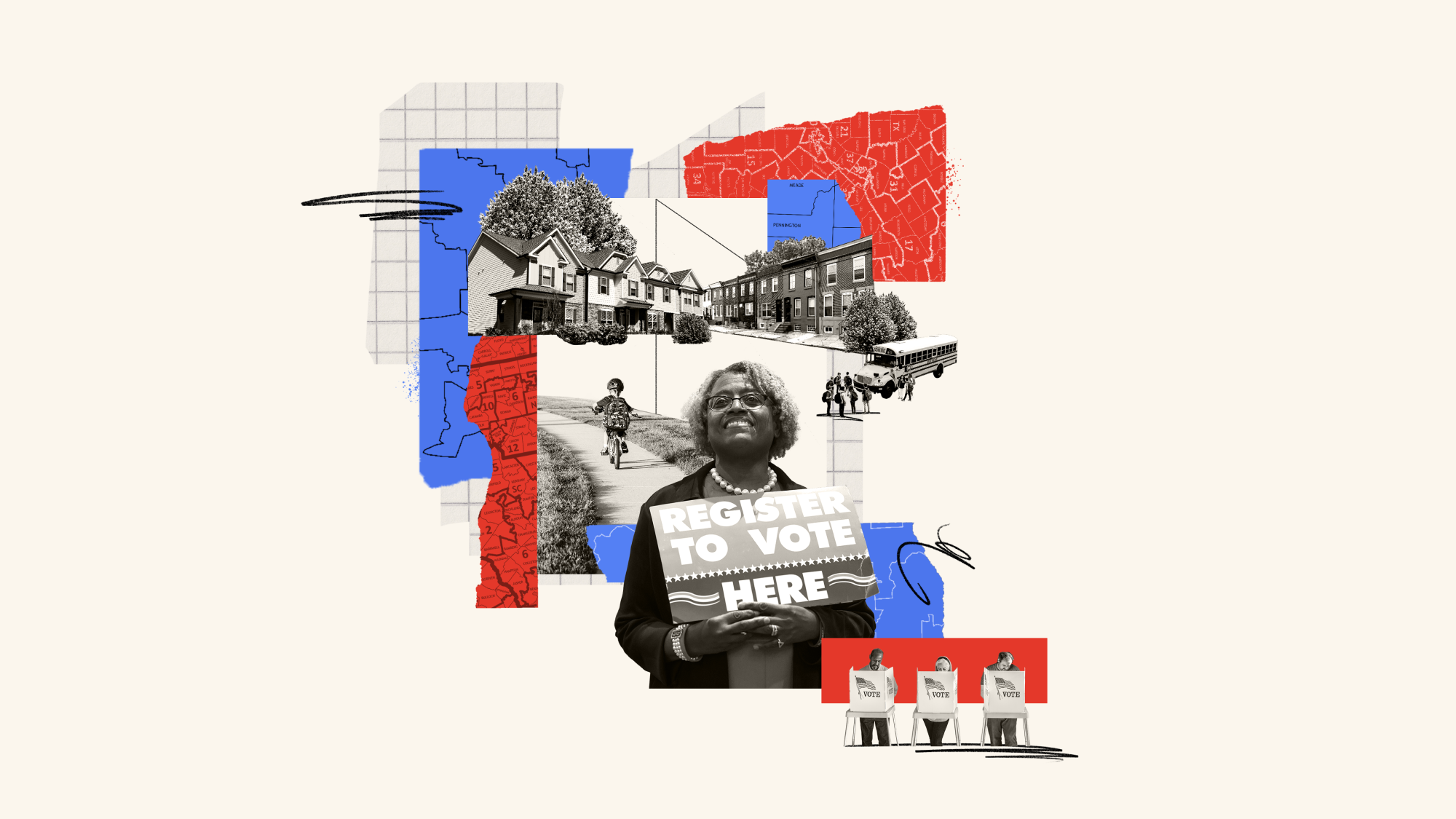
Most Americans live in a congressional district where the election is effectively decided before a single vote is cast — not because of who is running, but because of how district lines are drawn. The phenomenon is not new: gerrymandering has distorted American elections since nearly the Founding. But the problem today has reached a fever pitch. Ending gerrymandering will require addressing the problem at its source.
Gerrymandering is made possible by the use of single-member districts, which are uniquely vulnerable to manipulation. Most democracies instead use proportional representation: a system of multi-member districts where seats are allocated to parties in proportion to their share of the vote. Under proportional representation, gerrymandering is prohibitively difficult. The system would end the redistricting wars for good.
Read “When Maps Don’t Matter”, our 2026 report on proportional representation Read “When Maps Don’t Matter”, our 2026 report on proportional representation
Sign up to learn more about proportional representation Sign up to learn more about proportional representation
Why Proportional Representation?
Gerrymandering is only getting more frequent
Parties are increasingly moving beyond the ten-year census cycle to pursue mid-cycle redistricting, emboldened by recent rollbacks such as the 2026 Supreme Court ruling in Louisiana v. Callais. Redrawing maps for political gain ahead of most congressional elections may be the new norm.
Gerrymandering exploits the “wasted votes” made possible by single-member districts
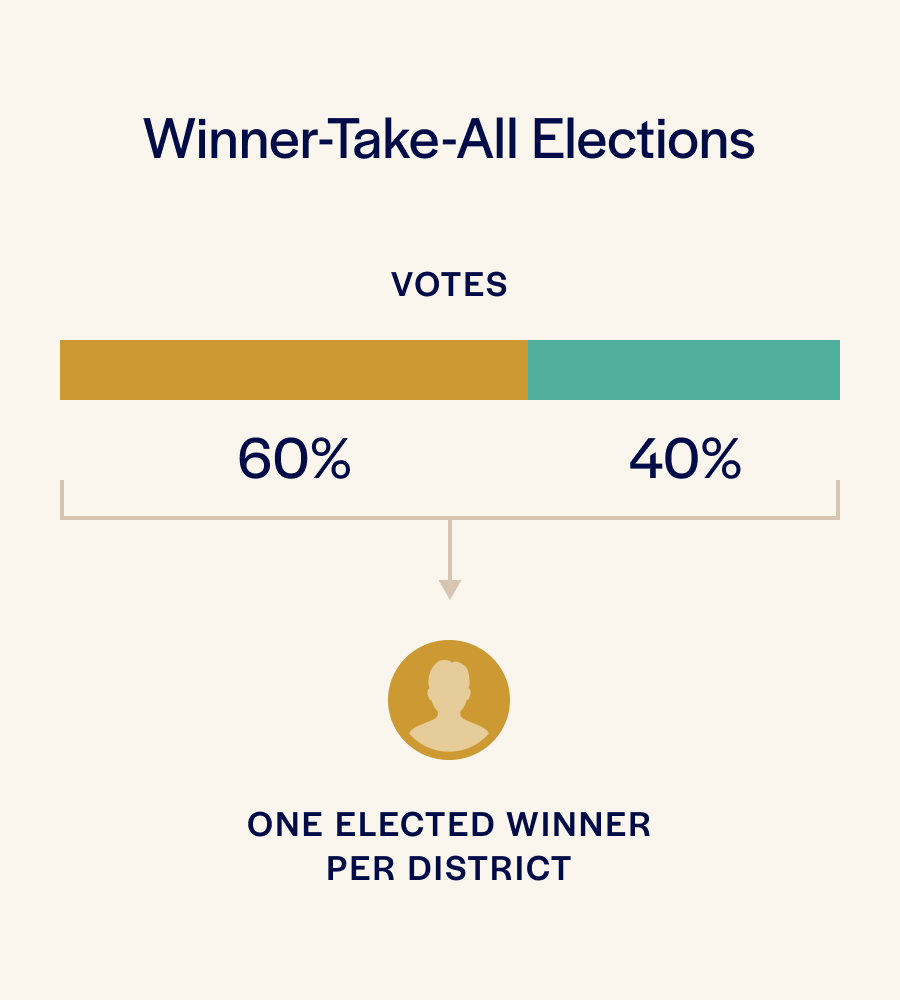
Single-member districts allow mapmakers to inflate their electoral strength by exploiting what are known as “wasted votes” — any votes cast for a losing candidate, or cast for a winner beyond what is needed to win. In a single-member district, a party that wins 60 percent of the vote gets 100 percent of the representation. The losing party’s entire 40 percent is wasted, along with the winning party’s roughly 10 percentage points of surplus votes.
Gerrymandering works by drawing lines to maximize those wasted votes for the opposition while minimizing them for the preferred party through methods known as “cracking” and “packing.” But even absent intentional gerrymandering, a phenomenon known as geographic sorting produces similar results to gerrymandering by also generating “waste,” even with impartially drawn maps. Nationwide, research suggests that geographic sorting may now skew results more than gerrymandering.
Anti-gerrymandering efforts that preserve single-member districts are limited in their impact
Reforms such as independent redistricting commissions or proposed “bans” on gerrymandering may reduce deliberate partisan manipulation, but do not address the underlying system that enables gerrymandering in the first place, or that generates similar distortions from geographic sorting. By leaving single-member districts intact, lopsided electoral outcomes will persist.
Proportional representation sharply mitigates both gerrymandering and geographic sorting
Proportional representation addresses the problem of distortion at its source. Instead of one seat per district going entirely to the winner, multi-member districts allocate multiple seats in proportion to votes received: A party that wins 60 percent of the vote gets roughly 60 percent of the seats, and a party that wins 40 percent of the vote gets roughly 40 percent of the seats.
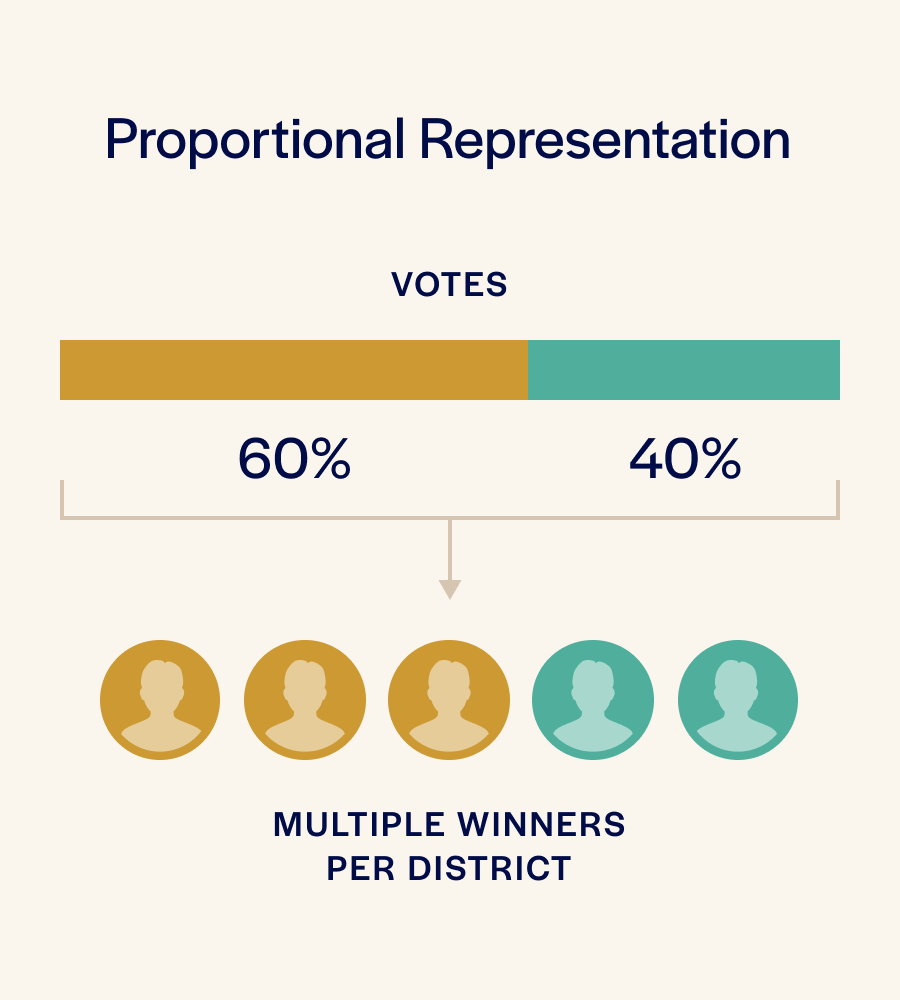
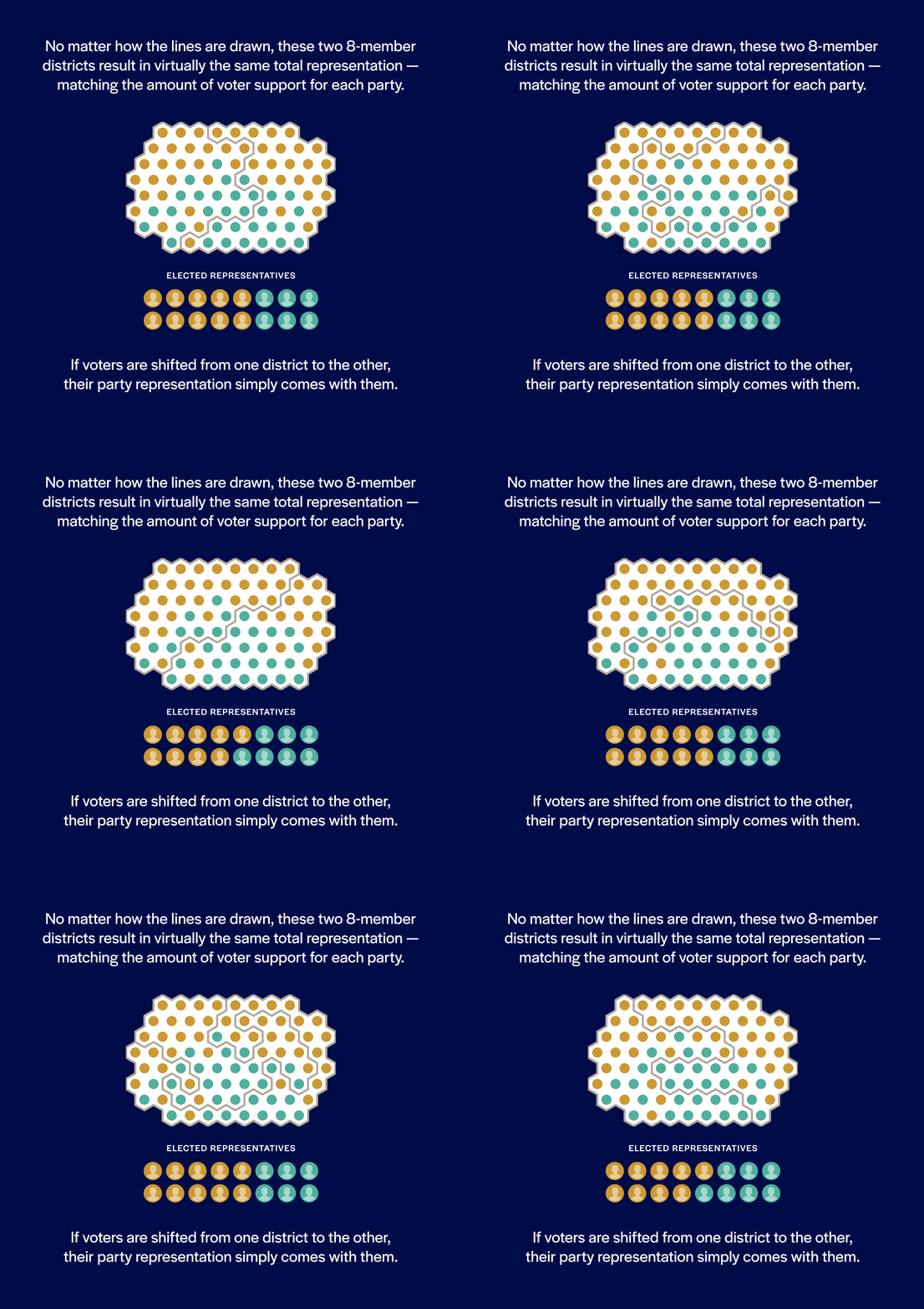
That means most votes contribute to an outcome, and the pool of “wasted votes” gerrymanderers depend on to manipulate results effectively disappears. Proportional representation also tends to generate multiparty competition, depriving would-be gerrymanderers of the predictable two-party landscape that makes electoral engineering easier. The result isn’t just a fairer map—it’s a system where the map stops mattering.
Read When Maps Don’t Matter, our 2026 report on proportional representation Read When Maps Don’t Matter, our 2026 report on proportional representation
Read the letter signed by over 500 scholars: Proportional Representation is the fix Read the letter signed by over 500 scholars: Proportional Representation is the fix
How to end gerrymandering How to end gerrymandering
Related Content
-
Frequently asked questions about the 2026 midterm elections
- Protecting Elections
- Research & Analysis
- Explainer
-
The ‘blue shift’ and ‘red mirage’ in election results, explained
- Protecting Elections
- Research & Analysis
- Analysis
-

DOJ’s attempt to acquire state voter data, explained
- Protecting Elections
- Research & Analysis
- Explainer
-

Understanding federal demands for election records
- Protecting Elections
- Research & Analysis
- Toolkit
Join Us.
Building a stronger, more resilient democracy is possible, but we can’t do it alone. Become part of the fight today.
Donate
Sign Up for Updates Sign Up for Updates
Explore Careers Explore Careers
How to Protect Democracy How to Protect Democracy