Gen Z Toolkit: Confidently know and exercise your right to vote
- April 21, 2026
Equip yourself with the knowledge you need to make sure your vote counts.
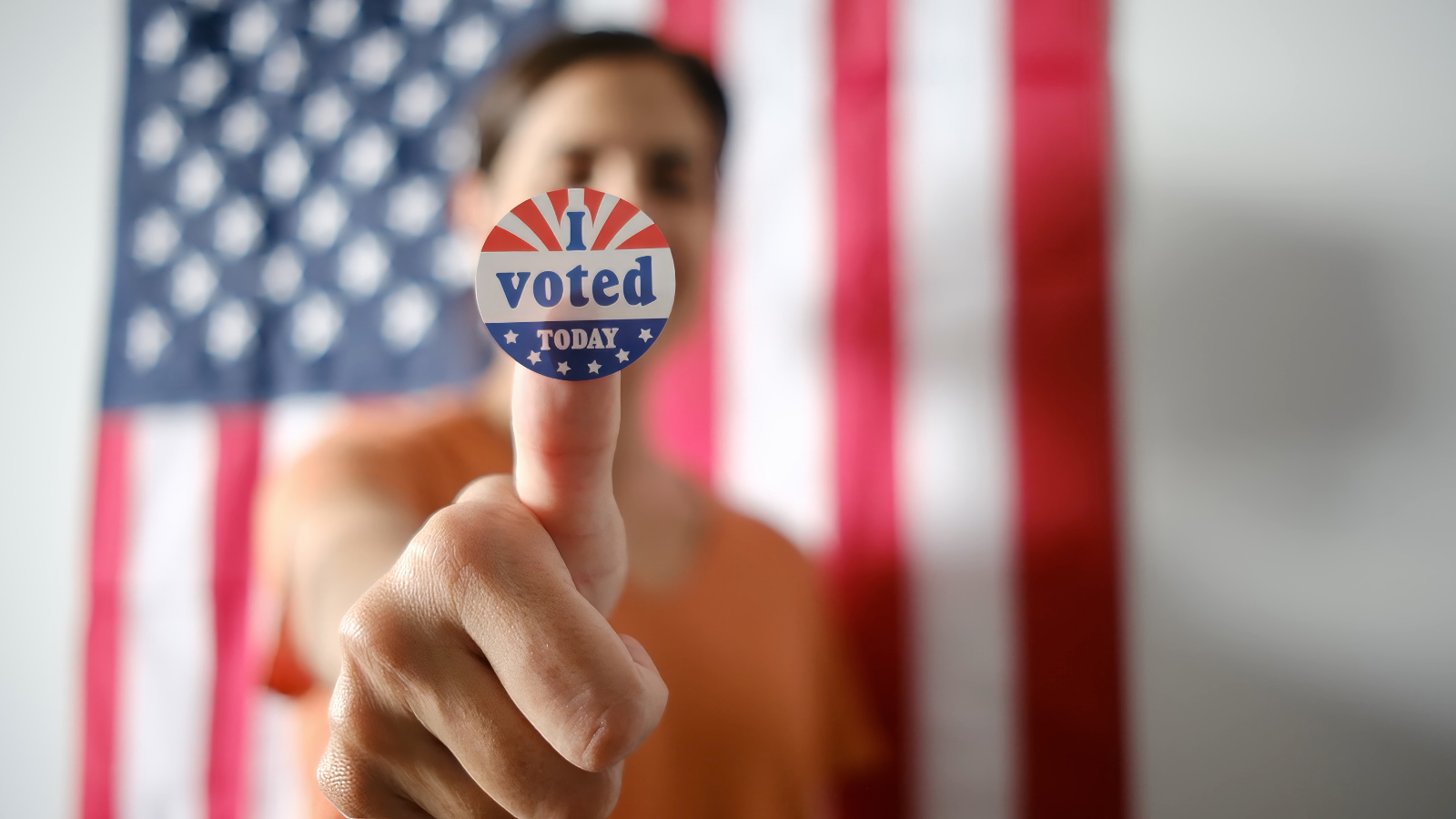
As young people prepare to cast their ballots, they may turn to you or your organization with questions about community and personal safety. Political leaders and their supporters sometimes use tactics like harassment, threats, or misinformation to intimidate voters and silence their voices, including aggressively questioning voters or preventing individuals access at polling sites — actions that constitute voter intimidation (a federal crime).
Election Day can also bring unexpected situations: a voter’s name may not appear on the roll, a polling place may be crowded, or machines may be temporarily down. It’s important to remember that voters in the United States have legal rights that protect their ability to cast a ballot.
Everyone is entitled to a safe voting environment. Understanding these rights ahead of time can help you vote with confidence — and help your friends do the same.
Read this resource as a PDF Read this resource as a PDF
Preparation and safety
- Make a Voting Plan: Create a voting plan by using the pre-election essentials checklist in the previous section, or by using other resources. Preparation can help prevent you and others from getting caught off guard by any intimidation or misinformation attempts.
- Verify Official Information: Some emails, texts, flyers, and/or mailed notices may have been designed to mislead or discourage voters. Be sure to verify that any election or voting-related information you receive are official by checking your state or local election office’s website.
- Keep an Eye Out for Election Scams: Cybersecurity criminals will often use texts, emails, or calls during election seasons to scam voters. Remember, you cannot register to vote by phone, email, or text — if someone offers this, report it as phishing to your mobile carrier. Be skeptical of robocalls and avoid sharing sensitive information or clicking on links from unsolicited texts or emails. For more information and examples of election scams, check out this AARP article.
- Practice Situational Awareness at Voter Registration Drives: Forms filled out at registration drives may be visible to others nearby. For more privacy, you can take a registration form home to fill out and return by mail or in-person at an election office.
- Be Or Bring a Support Person to the Polls: Generally, you are legally allowed to bring a support person of your choice to assist you at the polls, and you can also support another voter.
- Don’t Forget to Stay in Line: If the polls close while you are waiting in line, you are still legally permitted to vote. Remain in line, and don’t be afraid to call an election protection hotline if you are being harassed, turned away, or discouraged to vote by anyone.
Recognizing, reporting, and addressing intimidation at polling sites
- Know What Constitutes Intimidation, and What Is Illegal: Voter intimidation is illegal. It can include someone being followed, interrogated, or photographed without consent, as well as the use of violent / threatening language and the stationing of official or unofficial security groups at polling locations.
- Check out this toolkit from Legal Defense Fund on community-based strategies for preventing voter intimidation.
- Document What You’re Seeing: Note the time, location, and specific actions of the individuals involved without directly confronting them.
- What To Do If Federal Agents or Other Armed Groups Are at the Polls: Review these resources for guidance on how to respond if federal agents or other armed groups are present at polling sites:
- De-Escalation at the Polls: These resources provide strategies for de-escalation and intervention if you witness or encounter conflict at the polls:
- Know How to Report: Call 911 if you or anyone near you is facing physical danger. For non-life-threatening issues, alert a poll monitor and contact the following:
- Election Protection Hotlines: Don’t forget, you can text or call:
- English: 1-866-OUR-VOTE (1-866-687-8683)
- Spanish: 1-888-VE-Y-VOTA (1-888-839-8682)
- Asian Languages: 1-888-API-VOTE (1-888-274-8683)
- Arabic: 1-844-YALLA-US (1-844-925-5287)
- Federal Reporting: Report suspected election crimes to the FBI at 1-800-CALL-FBI or through the DOJ Civil Rights Division.
- Legal Defense Fund: Report potential voter suppression issues by filling out a form here.
- Election Protection Hotlines: Don’t forget, you can text or call:
Know your rights at polling stations
If you are in line when polls close, stay in line
Long lines can be intimidating, but if a voter is already in line when the polls close, federal law protects their legal right to vote. Election officials must allow these voters to cast their ballot, even if the doors close and voting continues well past the original closing time.
If voting machines are not working
Technology isn’t always perfect. If the machines at the polling place are unavailable or malfunctioning, voters can request a paper ballot. Every polling place is required to have backup voting methods to ensure that every eligible voter can participate.
If your name is not on the voter list, ask for a provisional ballot
Your registration can’t be found, or your name is spelled differently than it appears on your ID. Ask a poll worker to check the voter list for spelling variations or errors; if still not listed, voters have the right to request a provisional ballot. If denied, calmly restate your right and ask for assistance from a supervisor if needed.
What to do:
- Get the Instructions: Ask for written guidance to ensure the ballot is counted.
- Get the Tracking Information: Ask how to follow-up on the status of their provisional ballot (e.g., a website or phone number).
If you make a mistake on your ballot, ask for a new one
Accidents happen. If a voter makes a mistake while filling out their ballot, they can ask a poll worker for a new ballot before submitting it to ensure their choices are accurate, whether voting in person or by mail.
You have the right to vote privately and independently
Federal election laws guarantee that every voter has the right to cast their ballot without pressure or interference. This includes protections against electioneering or intimidation, such as individuals trying to influence votes or campaign near polling places. Polling places are required to provide private voting spaces, such as booths or privacy screens, so voters can select independently and confidently.
Voters with disabilities have the right to accessible voting
Federal law requires polling places to provide fully accessible voting options for voters with disabilities, allow a trusted assistant in the booth if needed, and maintain clear physical access throughout the facility.
Language assistance may be available
Some polling places, depending on the jurisdiction, are required to provide translated ballots, interpreters, or on-site assistance to help voters understand the process and cast their ballot confidently.
If you encounter problems while voting
Most voting experiences go smoothly, but if issues arise, voters can contact nonpartisan voter protection organizations for real time assistance. The Election Protection Hotline connects voters with trained volunteers who can answer questions and resolve problems on the spot.
State Rules May VaryFederal law sets baseline voter protections, but many voting rules — including ID requirements, early voting schedules, or polling locations — are state-specific. Check trusted voter information sources before Election Day for the latest local rules.
Additional reading
- Lawyers’ Committee Election Protection
- Vote.gov – Know Your Voting Rights
- ACLU – Know Your Voting Rights
- Voto Latino – Know Your Voting Rights
- League of Women Voters – Your Election Bill of Rights
- United States Election Assistance Commission (EAC) – What Are My Voting Rights?
- Election Law Navigator
- Voting Rights Lab
Explore all resources in the The Gen Z Election Defense Toolkit. The toolkit is designed to support youth-focused organizations and groups taking action this election season to educate young voters and build youth power. Explore all resources in the The Gen Z Election Defense Toolkit.
Legal disclaimer
This document includes links to resources created and maintained by a number of different sources. Protect Democracy does not guarantee the accuracy or completeness of any linked information, nor is the inclusion of any link intended to be an endorsement of any kind. This resource is not meant to, and does not, offer legal advice; nor should it be construed as legal advice on any specific facts or circumstances. The contents are intended for general information and educational purposes only, and should not be relied on as if it were advice about a particular fact situation. The distribution of this resource is not intended to create, and receipt of it does not constitute, an attorney-client relationship with Protect Democracy. In order to protect your vote, please refer to your state election authority’s website for the most up-to-date information as voting laws are constantly changing. Protect Democracy last edited this toolkit on April 16, 2026.
Related Content
-
Frequently asked questions about the 2026 midterm elections
- Protecting Elections
- Research & Analysis
- Explainer
-
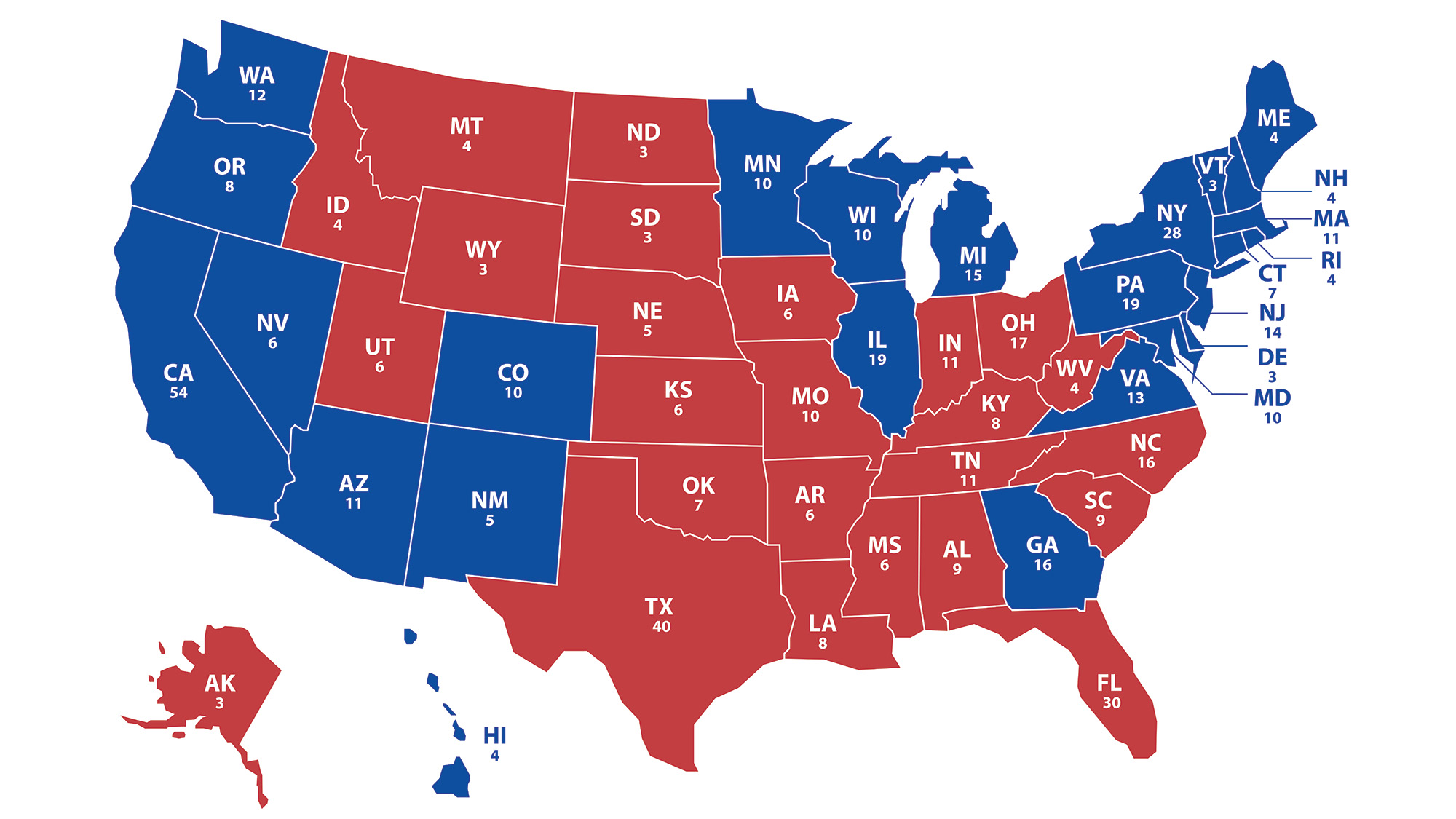
The ‘blue shift’ and ‘red mirage’ in election results, explained
- Protecting Elections
- Research & Analysis
- Analysis
-

DOJ’s attempt to acquire state voter data, explained
- Protecting Elections
- Research & Analysis
- Explainer
-
Understanding federal demands for election records
- Protecting Elections
- Research & Analysis
- Toolkit
Join Us.
Building a stronger, more resilient democracy is possible, but we can’t do it alone. Become part of the fight today.
Donate
Sign Up for Updates Sign Up for Updates
Explore Careers Explore Careers
How to Protect Democracy How to Protect Democracy