Gen Z Toolkit: Community support
- April 21, 2026
Learn how to support others in your community as they exercise their right to vote.
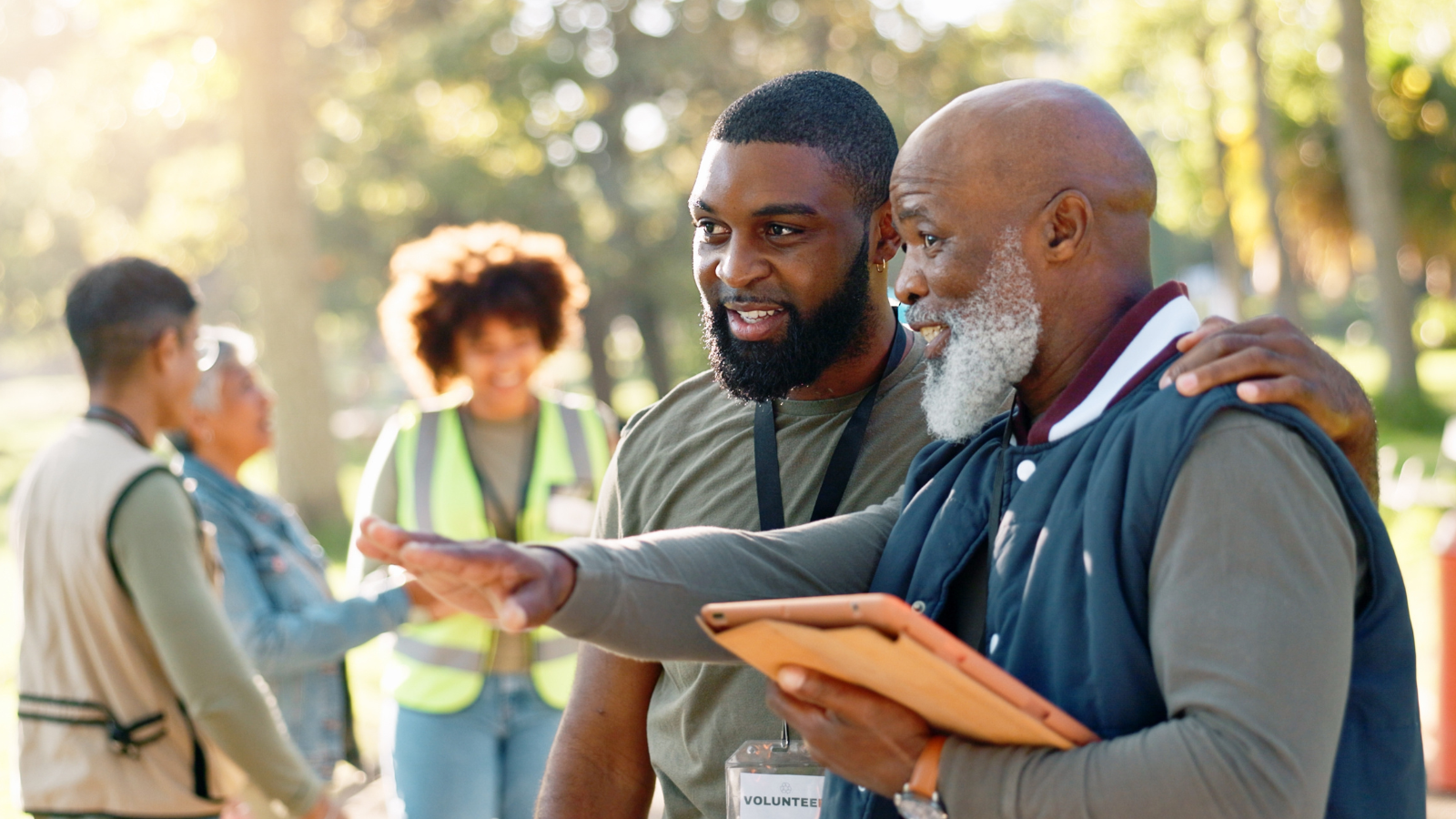
Elections don’t just happen at the polls — they happen in dorm rooms, dining halls, and in local communities. Young people who aren’t in school are also organizing in workplaces, neighborhoods, and online spaces — expanding where and how civic engagement takes place. Every day, people across the country are helping to make sure elections run smoothly, voters know their rights, and that participation is accessible to everyone.
Supporting your community during an election can take many different forms, from sharing trusted voting information and helping others understand what to expect on Election Day, to organizing carpools to the polls and volunteering as a nonpartisan poll observer.
Read this resource as a PDF Read this resource as a PDF
Ways to support your community during elections
Voter transportation and accessibility
Getting to the polls shouldn’t be a struggle, but for many people it is. Not everyone has easy access to polling locations or reliable options for returning ballots. One of the most impactful things you can do is help bridge the gap between a voter and the voting process by ensuring people can vote safely and on time.
What you can do:
- Organize the “poll-mobile”: Set up a ride-share schedule for peers, neighbors, or community members who lack transportation.
- Share mail-in voting information: Help friends or family understand official options for returning their mail-in ballot, including designated drop boxes or election office locations in their area. Check your state’s Secretary of State website for the most up-to-date information, as rules and deadlines can change.
- Partner with the pros: Connect with local nonpartisan programs like Rideshare2Vote to help voters reach polling locations.
- Provide accessibility: Reference the ADA Voter Rights Guide to ensure that voters with disabilities have the basic support they need to navigate the polling site.
Civic education and voter workshops
Knowledge is power. Civic education workshops are one of the most effective ways to help people feel informed and confident about participating in elections. These can be simple, peer-led sessions that explain how voting works, what to expect at the polls, or how local elections shape everyday life. Often, it only takes a short conversation or a few minutes of clear information to turn uncertainty into action.
These workshops don’t require prior expertise — they are about making reliable information more accessible within your community and creating space for people to ask questions and learn together.
What you can do:
- Use resources like the EAC Voter Education Design Toolkit to create clear and effective communication materials.
- Partner with local libraries, student clubs, or community centers to host informational sessions in familiar spaces.
- Focus on the local elections, ballot initiatives, and issues that directly affect students and your community.
- Lead 1:1 conversations with peers through relational organizing. Use this guide from Young Invincibles to connect directly with friends, classmates, or community members to share accurate voting info, answer questions, and provide support. Follow-up afterward to make sure they feel ready and confident.
- Share materials in multiple languages or accessible formats whenever possible to ensure information reaches a wide audience so no one is left out of the conversation.
Nonpartisan election observation (poll monitoring)
Supporting the integrity of elections can also involve more formal, structured participation. If you want to take your involvement to the next level, consider serving as a nonpartisan poll observer. Poll observers focus on transparency by helping document how voting procedures are conducted and ensuring established rules are followed.
Observers do not interact with voters, direct how people vote, or interfere with the voting process. Their role is to strictly observe what they see, and report information and any issues to election officials through official channels.
What you can do:
- Get trained as a trained nonpartisan poll observer in your state. Resources to get started include:
- Learn how to document observations and report problems through official reporting systems.
- Familiarize yourself with common Election Day challenges so you can address them calmly and effectively as they arise.
- Share Election Protection hotlines and resources with voters who may encounter difficulties and need support in real time.
Poll monitoring helps ensure elections are conducted fairly, transparently, and safely. Even a small number of trained observers can help protect voters’ rights and strengthen public confidence in the election process.
Explore all resources in the The Gen Z Election Defense Toolkit. The toolkit is designed to support youth-focused organizations and groups taking action this election season to educate young voters and build youth power. Explore all resources in the The Gen Z Election Defense Toolkit.
Legal disclaimer
This document includes links to resources created and maintained by a number of different sources. Protect Democracy does not guarantee the accuracy or completeness of any linked information, nor is the inclusion of any link intended to be an endorsement of any kind. This resource is not meant to, and does not, offer legal advice; nor should it be construed as legal advice on any specific facts or circumstances. The contents are intended for general information and educational purposes only, and should not be relied on as if it were advice about a particular fact situation. The distribution of this resource is not intended to create, and receipt of it does not constitute, an attorney-client relationship with Protect Democracy. In order to protect your vote, please refer to your state election authority’s website for the most up-to-date information as voting laws are constantly changing. Protect Democracy last edited this toolkit on April 16, 2026.
Related Content
-
Frequently asked questions about the 2026 midterm elections
- Protecting Elections
- Research & Analysis
- Explainer
-
The ‘blue shift’ and ‘red mirage’ in election results, explained
- Protecting Elections
- Research & Analysis
- Analysis
-

DOJ’s attempt to acquire state voter data, explained
- Protecting Elections
- Research & Analysis
- Explainer
-
Understanding federal demands for election records
- Protecting Elections
- Research & Analysis
- Toolkit
Join Us.
Building a stronger, more resilient democracy is possible, but we can’t do it alone. Become part of the fight today.
Donate
Sign Up for Updates Sign Up for Updates
Explore Careers Explore Careers
How to Protect Democracy How to Protect Democracy