Liz Wester is a Campaign and Organizing Strategist for Protect Democracy. Liz has decades of campaign, management and advocacy experience.
What to do if you face intimidation at the polls
- October 22, 2026
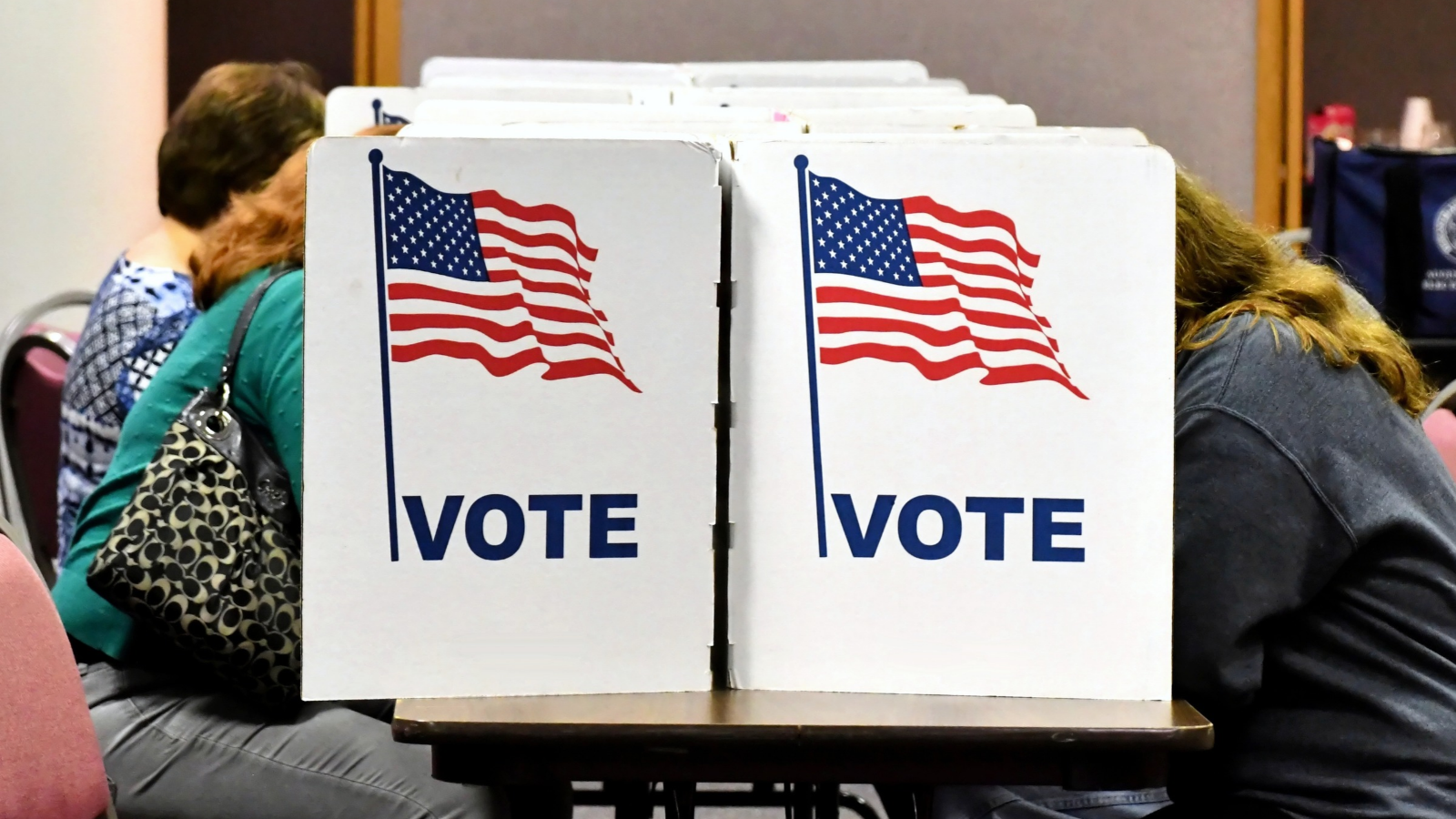
As part of broader efforts to interfere with the 2026 midterm elections, the Trump administration has engaged in a wide array of strategies to deceive voters about the election, disrupt the voting and counting processes, and ultimately deny the results.
One focus of that threat has long been the deployment of federal troops or law enforcement near or at voting locations around the country. This would likely be illegal, which is why it’s also one of the less likely scenarios. Federal agents at or near polling locations could be voter intimidation even if they are not right outside that location, and every voter has a right to vote safely and free from intimidation. Here’s how you should respond if you face such intimidation:
What do I do if there are federal agents near or at my voting place?What do I do if there are federal agents near or at my voting place?
Every voter has the right to vote freely and safely. It is unlawful to:
- Intimidate voters by verbal or physical confrontation
- Post threatening flyers, send threatening messages or make threatening phone calls
- Vandalize polling locations
- Physically intimidate voters
- Including standing or hovering close to voters as they attempt to vote
- Ask voters for documentation when none is required
- Occupy the parking of a polling place in a way that hinders voters from entering
If you are approached by a federal agent at a polling location, there are steps you can take:
- Stay calm and breathe as the agent approaches
- Ask if you’re free to go. If yes, leave calmly.
- Exercise your rights: remain silent, request to see a warrant signed by a judge, decline consent to an unwarranted search, including of a device or private property, call an attorney
If you see agents near a polling location, you should first report it to the election hotline, and then consider telling an election official at your polling location. You should also document the situation if it’s safe to do so.
| English | 866-OUR-VOTE: 866-687-8683 |
| Spanish/English | 888-VE-Y-VOTA: 888-839-8682 |
| Asian languages/English | 888-API-VOTE: 888-274-8683 |
| Arabic/English | 844-YALLA-US 844-925-5287 |
Visit the election hotline Visit the election hotline
How to report and document an agent at a polling location
If you are able too and feel safe, you can document any incident, using these principles as guidance:
- Document incidents when safe to do so according to the person’s own risk tolerance
- Capture audio only if you’re not able to film video
- Reference state and local laws on recording around polling locations
- Start with wide shot to establish location, date, time and then zoom into action
- If you choose to film, do so openly
- Capture any identifying agent information including badge numbers and license plates
Use the Size, Activity, Location, Uniform, Time, Equipment (SALUTE) framework.
Size – How many agents or officers are present? How many cars?
Activity – What are the agents or officers doing? Who else is present? What are they doing? Who did agents speak with? What did they say?
Location – Where in or around the polling location are the agents? Include approximate cross streets, etc.
Uniform – What letters, details or patches are visible on the agent’s clothes? Can you tell what department they are from?
Time – When precisely did you witness the agents?
Equipment – What did the agents have with them? Were they armed or have other weapons? Were they brandishing weapons?
Intimidation is not a legitimate part of the election process
Regardless of where it comes from, threats or attempts to intimidate voters at the polls are really an attempt to silence voters who want to make their voices heard. Voting is a fundamental right of living in a democracy, and it should be treated as such.
The odds that federal agents or troops are sent to polling locations is low – you should feel confident that you will be able to vote as you normally would, and that your vote will be counted. Make a plan to vote, vote together, make sure that the people you know do the same, and trust that our democracy is not going to cede ground to intimidation, or any other attempt to manipulate the outcome.
About the Authors


Related Content
-
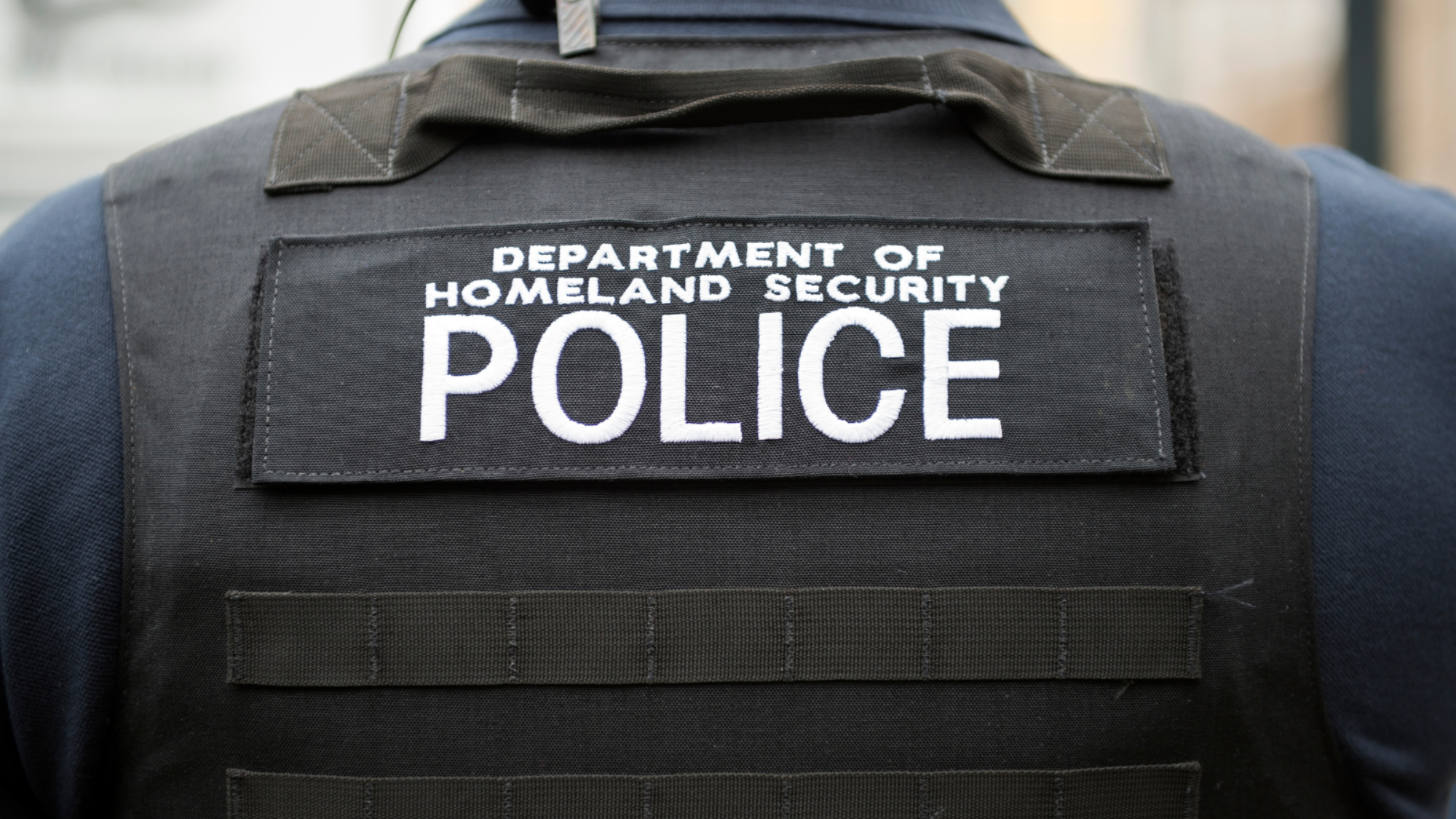
Court limits DHS’s armed home visits questioning voter eligibility
- Protecting Elections
- Litigation
- Statements
-
What to expect during the 2026 election season
- Protecting Elections
- Research & Analysis
- Explainer
-
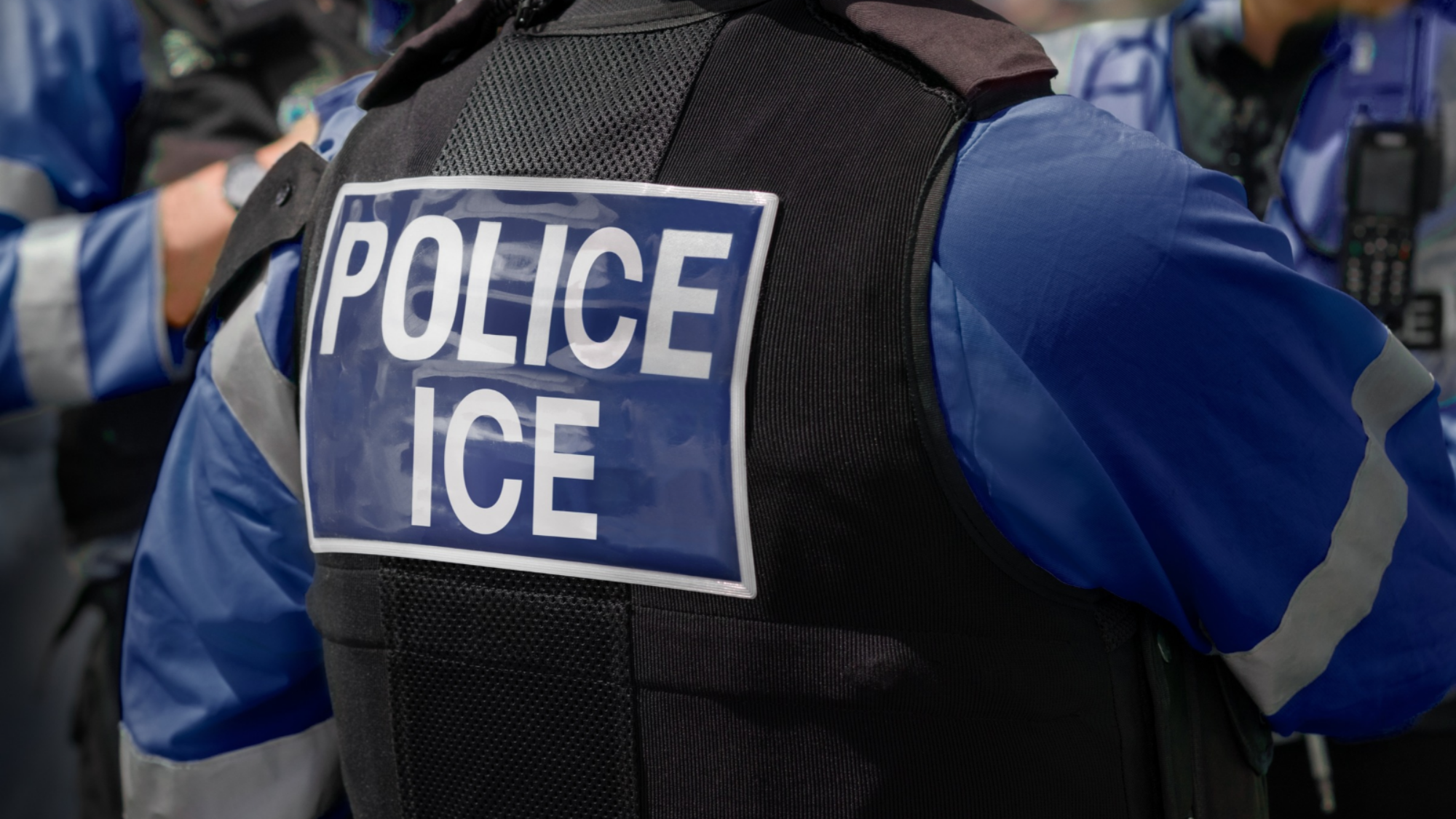
Can federal law enforcement or troops be deployed to the polls?
- Protecting Elections
- Research & Analysis
- Explainer
-
Noncitizen voting lies, explained
- Protecting Elections
- Research & Analysis
- Explainer
Join Us.
Building a stronger, more resilient democracy is possible, but we can’t do it alone. Become part of the fight today.
Donate
Sign Up for Updates Sign Up for Updates
Explore Careers Explore Careers
How to Protect Democracy How to Protect Democracy