Foundations: Advocacy
- April 2, 2026

There is no one way to be an activist – and that’s a great thing! In the attention economy one thing never dominates everyone’s attention. Rather, different things break through in different ecosystems for different audiences. This means we need lots of people out there making arguments and telling stories in lots of different ways to lots of different people all at once.
Be Unique. Advocate for things you care about in ways that you genuinely enjoy. If protests give you joy, great! If you would rather write a letter or poetry or make art, also great! Are you a math wiz or a computer nerd? Also cool – and very valuable skills in a movement. Start from your own interests and passions and work from there.
Tell a Story. Effective advocacy is grounded in storytelling. Stories allow us to communicate our values, build community across differences, share inspiration, connect emotionally, and motivate others to join us. More on the power of storytelling in advocacy here and some practical tips here.
Here are some options to get you started on your advocacy journey:
Tactic #1: Contact your elected officials
Reaching out to your elected officials about an issue that’s important to you can make a big difference. These officials and their staff members keep a tally of messages for and against a particular issue. When you reach out, all you have to do is respectfully make your position clear and make sure they know you’re a constituent who votes. That’s it!
Step 1: Choose an issue that’s important to you and decide what you want your elected official to do about it
- One time advocacy to elected officials is most effective when there is a live issue related to that topic they are deciding how to act on – should I vote for this bill or oppose this bill? In that situation, adding your voice (and maybe the voices of a couple of friends) to the chorus encouraging them to take a particular stance makes a real difference.
- If you want your elected official to engage in a longer term project or to take on a new issue, you are going to need to do more to teach them and get them on board. Instead of a single call, try setting up a meeting with your official’s staff to start educating them about the issue you care about. If that issue is something you can work on in your community, meeting with your local elected officials one-on-one, with your friends, or even inviting them to speak to your neighborhood association or local organizations is just as important.
Step 2: Find out who represents you
You can use this tool to help you find out who represents you at each level of government, from local and state officials up to your Representative and Senators in the U.S. Congress.
- Here are some tips for folks who think their elected officials are already doing a great job or conversely, whose elected officials never agree with them.
Step 3: Get in touch
You can get in touch with your elected officials in person, over the phone, or via email.
- If you choose to contact your elected officials in writing, these tips from local activists, the American Battlefield Trust, and UC Berkeley may be helpful.
- Democracy.io is a great resource that combines all these tools into one easy place that makes it easy to send messages to your representatives in the U.S. Senate and House of Representatives. Just pick who you would like to write to and you can easily send them a message.
Tactic # 2: Tell your story
Option 1: Write a letter to the editor
Letters to the editor are a great way to engage your community directly. Focus on the storytelling skills highlighted above and making a local connection to whatever issue you’re discussing. Here are some more resources on how to write a great letter to the editor from Indivisible, Friends Committee, and the ACLU of Pennsylvania.
Option 2: Pitch a news story to your local station or paper
Is there an important issue you think isn’t getting enough attention? Tell your local news sources about it! Again, focus on storytelling. Why is this an important issue for them to cover? What is the local connection? Make covering your story as easy as possible by providing sources and resources. More suggestions on pitching news stories here.
Option 3: Build a social media strategy
Engage on social media. For some folks that may mean amplifying wins across the movement, highlighting opportunities to get involved, or requests for support. For others, that might look like leaning in and creating content yourself! Tips on how to develop a winning social media strategy here and DIY guide to visual storytelling here to get you started.
Tactic # 3: Get involved in local elections.
Dig into who is running for office in your community. School board members, sheriffs, and election officials are all elected in most communities. If there are candidates who align with your values, get involved in their campaigns – your time and effort will go a long way on small campaigns which are often looking for help in all sorts of ways. If more traditional campaign activities like knocking doors and making calls are your thing, they will put you to work. But on a small campaign there is also opportunity to do more niche actions. You can offer to provide expertise to help shape their policy stance on an issue you care about or host a house party or community gathering where the candidate can speak and you can ask questions. Lean into fun activities that will get attention, build enthusiasm, excitement and community.
If none of the candidates excite you, consider running yourself! Here is a good resource from NPR to get you started.
Tactic # 4: Protest and noncompliance.
Protesting in the streets isn’t for everyone and that’s ok. There are many different types of protest that don’t involve hanging out with thousands of people. Gene Sharp’s famous list of 198 Methods of Nonviolent Action is a great place to start thinking about all the different ways to use your voice and power to make a difference. The Museum of Protest is also a powerful source of inspiration and information.
For those who want to learn more about civil resistance and direct action, Erica Chenoweth’s book Civil Resistance: What Everyone Needs to Know is one of the best places to start. This book delves into what civil resistance is, how it works, why it sometimes fails, how violence and repression affect it, and the long-term impacts of such resistance.
If you’re interested in organizing protests – either on your own or as part of a larger day of protest – Georgetown Law’s guide on protests and public safety is a vital resource to bookmark to make sure you know your rights and responsibilities.
You can also help keep your protesting community members safe from a distance by familiarizing yourself and others with protest safety measures. Here are some resources to get you started:
- 10 things noncitizen protestors need to know from Immigrant Legal Resource Center
- Tips for preparedness, peaceful protesting, and safety from Human Rights Campaign
- Know your rights cards from AFL-CIO and ACLU (both available in English and Spanish).
Related Content
-

Frequently asked questions about the 2026 midterm elections
- Protecting Elections
- Research & Analysis
- Explainer
-
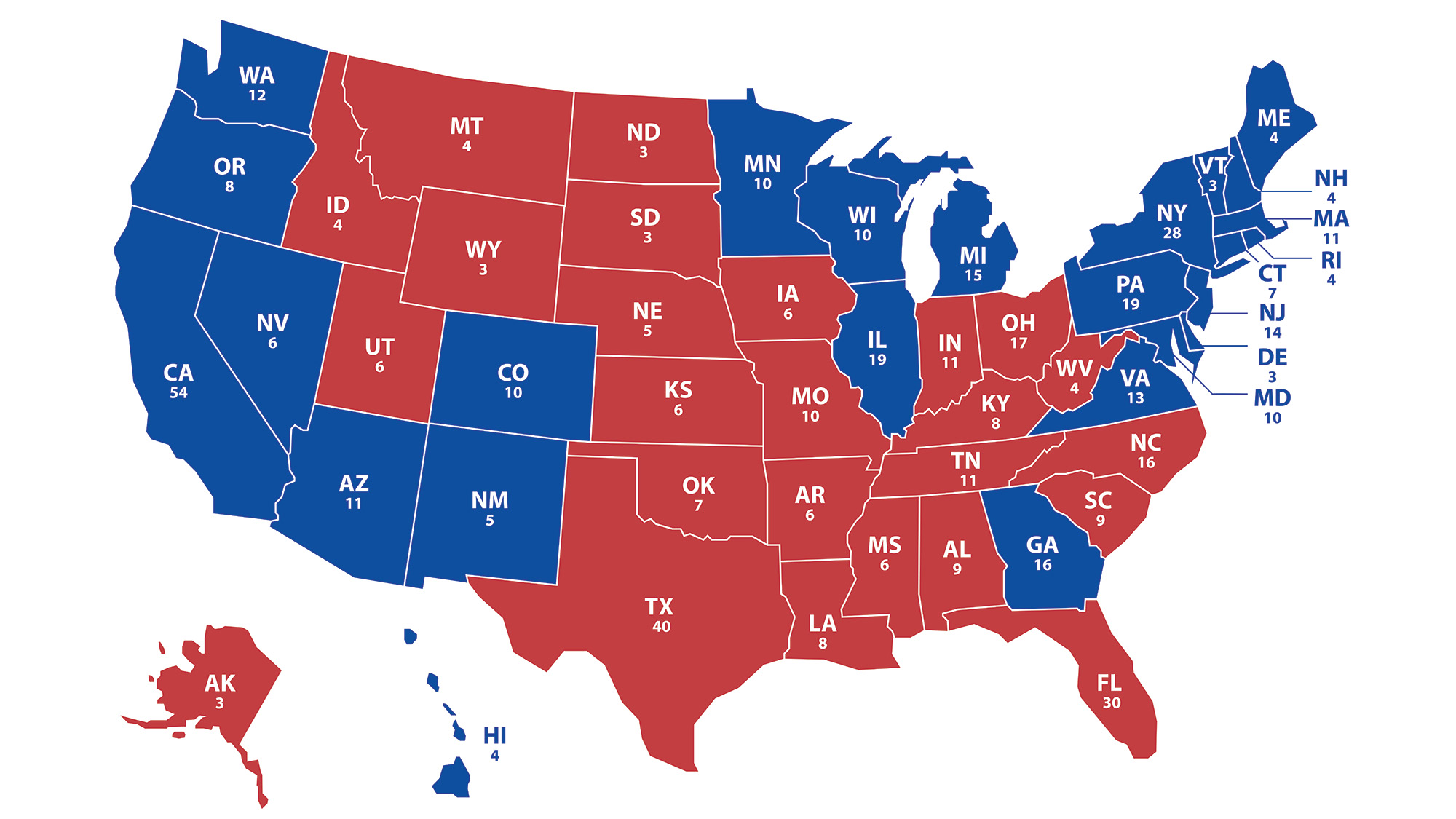
The ‘blue shift’ and ‘red mirage’ in election results, explained
- Protecting Elections
- Research & Analysis
- Analysis
-

DOJ’s attempt to acquire state voter data, explained
- Protecting Elections
- Research & Analysis
- Explainer
-
Understanding federal demands for election records
- Protecting Elections
- Research & Analysis
- Toolkit
Join Us.
Building a stronger, more resilient democracy is possible, but we can’t do it alone. Become part of the fight today.
Donate
Sign Up for Updates Sign Up for Updates
Explore Careers Explore Careers
How to Protect Democracy How to Protect Democracy