Foundations: Democracy and authoritarianism
- April 2, 2026

We hear a lot about how we are in unprecedented times, but there is a lot we can learn from history, other countries and movements who have been through something similar. Below are some of our suggestions on how to understand this moment, the risks, and opportunities to ground your activism and engagement.
1. Dive into the fundamentals on how American democracy is supposed to work
To truly understand the ways in which autocrats abuse power, you have to understand how the systems are supposed to function to begin with. Here are some resources for a quick refresher on those core concepts:
- Civics 101: A Podcast – This fantastic resource from New Hampshire Public Radio answers all your democracy 101 questions from who gets to run for president to how a bill becomes a law. This show has been going strong since 2017 so be sure to check in with the early episodes for more of the building blocks. Some key episode recommendations to get you started:
- The National Constitution Center – Your one-stop-shop for a refresher on what’s in the Constitution, how it has changed over time, what’s up for debate and what is clearly established. They have lots of excellent resources for kids and families – plus you can request your very own pocket Constitution!
- Curious about how the U.S. constitution compares to other countries? The Constitute Project is the place to go.
- Want to know more about your state constitution? Explore all 50 here.
2. Understanding the authoritarian threat
When you think about dictators you may think of coups and military parades – but that actually isn’t how most modern autocrats take power. Today, democracy more often dies gradually, as the institutional, legal, and political constraints on authoritarian leaders are chipped away, one by one. By using “salami tactics,” slicing away at democracy a sliver at a time, modern authoritarians still cement themselves in power, but incrementally. Sometimes their actions are deliberate and calculated, but sometimes they are opportunistic, myopic, or even bumbling.
These are the seven tactics authoritarians around the world use to seize and consolidate power:
- Politicizing independent institutions
- Spreading disinformation
- Aggregating executive power
- Quashing dissent
- Scapegoating vulnerable communities
- Corrupting elections
- Stoking violence
Sound familiar?
- For more details on authoritarian tactics:
- Start with The Authoritarian Playbook. While we wrote this resource especially for reporters, it’s an excellent resource for understanding the tactics and strategies of modern autocrats (check out this page for a shorter, more shareable synopsis). Next dive into the Authoritarian Playbook for 2025 where we laid out more specifically what to expect from Trump 2.0.
- Here are some additional recommendations once you have a handle on the basics:
- The Path to American Authoritarianism by Steven Levitsky and Lucan Way in Foreign Affairs
- The New Authoritarianism by Steven Levitsky in The Atlantic
- Looking for some audio options?
- What is Authoritarianism? by Civics 101 (with Anne Applebaum)
- What is the Rule of Law? by Civics 101
- Is America Becoming an Autocracy? by On the Media
- Here are some additional recommendations once you have a handle on the basics:
- Subscribe to If You Can Keep It. This in-depth, free newsletter on democracy from experts across Protect Democracy breaks down the top issues in authoritarianism and democracy in the United States. It exists exclusively to equip you with what you need to know about what’s happening in our democracy.
- Start with The Authoritarian Playbook. While we wrote this resource especially for reporters, it’s an excellent resource for understanding the tactics and strategies of modern autocrats (check out this page for a shorter, more shareable synopsis). Next dive into the Authoritarian Playbook for 2025 where we laid out more specifically what to expect from Trump 2.0.
3. Information to ground your organizing and advocacy
While the prior two categories of resources are essential for understanding the threat we face and making decisions about which threats to prioritize, activism often requires more detailed information to inform your tactics and strategies. Here are some of our favorite resources tracking the impact of Trump 2.0:
- Federal Harms Tracker by Partnership for Public Service – This continually updated resource provides concrete data regarding the impact of the Trump administration’s attacks on the federal work force by month and agency. It does a fantastic job clearly connecting what those cuts put at risk for Americans.
- The Impact Map by the Impact Project – This resource lets you dig into how changes in federal funding and the federal workforce are impacting communities across the country by industry and zip code.
- Litigation Tracker by Just Security – Detailed, updated information on the more than 400 cases challenging Trump administration policies and actions.
- Tracking the Trump Tariffs by Tax Policy Center – Regularly updated resource tracking tariff policy, the impact on consumer goods and prices, and revenue. The Digital Data Design Institute at Harvard also has an excellent resource tracking tariffs with a particular focus on consumer prices.
Related Content
-

Frequently asked questions about the 2026 midterm elections
- Protecting Elections
- Research & Analysis
- Explainer
-
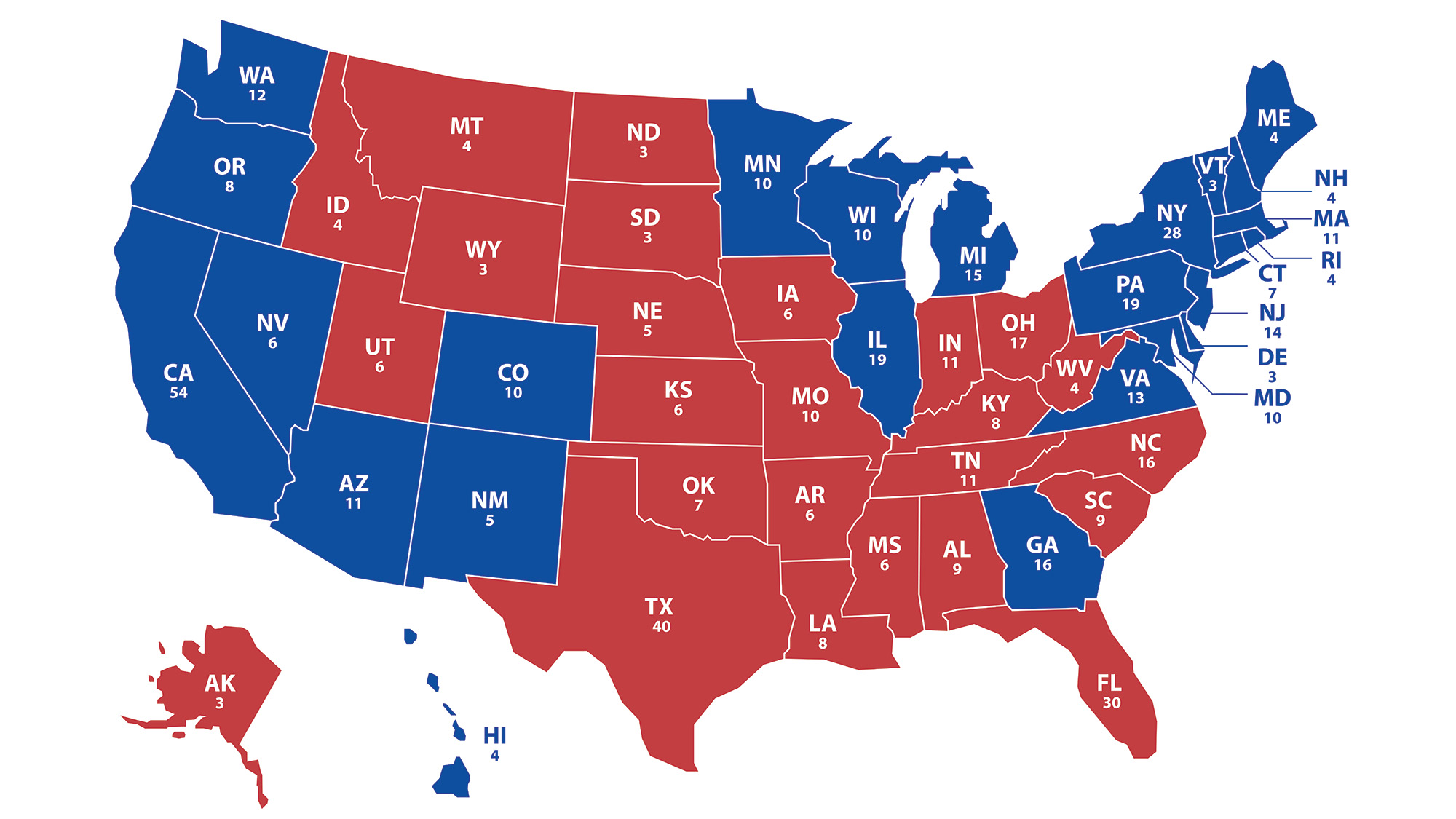
The ‘blue shift’ and ‘red mirage’ in election results, explained
- Protecting Elections
- Research & Analysis
- Analysis
-

DOJ’s attempt to acquire state voter data, explained
- Protecting Elections
- Research & Analysis
- Explainer
-

Understanding federal demands for election records
- Protecting Elections
- Research & Analysis
- Toolkit
Join Us.
Building a stronger, more resilient democracy is possible, but we can’t do it alone. Become part of the fight today.
Donate
Sign Up for Updates Sign Up for Updates
Explore Careers Explore Careers
How to Protect Democracy How to Protect Democracy