Gen Z Toolkit: Student and campus organizing
- April 21, 2026
How you can help boost civic participation on campus or your community.
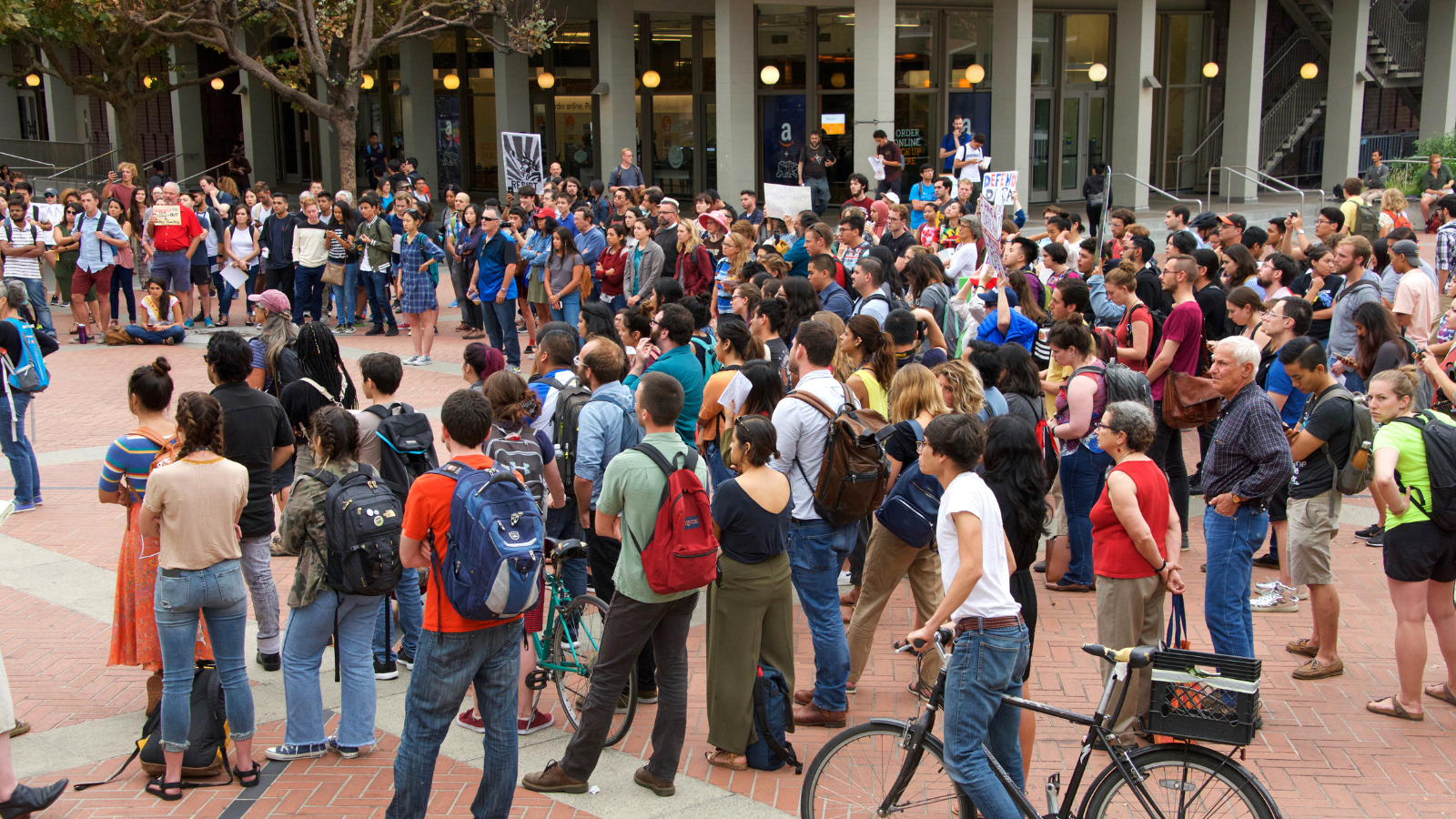
Students and young people play an important role in boosting civic participation on campuses and in their communities. High schools, colleges and universities are unique hubs that bring together large networks where students regularly communicate, exchange information, and influence how their peers engage with important issues.
You don’t need to run a huge campaign to make a difference. Many successful student-led engagement efforts start with simple actions: reminding classmates to check their voter registration, hosting informal voter education sessions, or making sure your friend group has a plan to vote. Students can also work with campus leaders, faculty, and administrators to create systems that make voting information more accessible and visible across campus.
Read this resource as a PDF Read this resource as a PDF
Organizing within your existing circles
The most effective organizing happens in the groups you’re already part of. Whether it’s a sports team, Greek life chapter, study group, or just the people you grab coffee with, these are the spaces where student voices carry the most weight.
Peer-to-peer conversations are especially important because individuals often listen to those they already know and trust. Sharing clear, accurate information in these spaces can help others feel more prepared and confident. Everyday conversations can quietly influence whether someone votes or sits out.
What you can do:
- Share Reliable Voter Information: Post reminders about deadlines, polling locations, or voting options in group chats, and connect with local community partners like your League of Women Voters chapter. Sign up as a partner for National Voter Education Week for up-to-date resources.
- Create Space for Information-Sharing: Take a few minutes at the start of meetings to share resources and answer basic voting questions.
- Encourage Planning Ahead: Prompt friends or teammates to think through when and how they plan to vote, including transportation.
- Check in With Peers: Remind friends to verify their voter registration and review key deadlines.
- Peer Mentoring for First-Time Voters: Pair experienced voters with first-timers to guide them through the process.
Check out these resources to support peer outreach:
- Student Voting Advocate Toolkit: Templates, graphics, and organizing ideas for peer outreach.
- How to Run a Voter Registration Drive: Step-by-step guidance for organizing registration efforts in student groups.
- High School Specific Voter Registration Drives: Mentorship, state guides, and step-by-step guidance for organizing voter registration drives in high schools.
Campus advocacy and institutional change
Campuses play an important role in making voting information accessible to students. Students can work with their institutions to expand access to reliable voting resources, foster civic participation, and integrate voter resources into orientation programs, student organizations, or class activities.
What you can do:
- Build Campus Coalitions: Partner with clubs, organizations, or departments to organize larger campus-wide events. Use the Ask Every Student Coalition Building Curriculum for tools and resources to start, grow, and strengthen a campus voting coalition.
- Encourage Campuses to Share Voting Information Widely: Work with administrators to promote deadlines, voting options, and key logistics through official channels.
- Encourage Campuses to Provide Time for Voting: Work with administration to allow time off for students to vote on Election Day or during early voting periods.
- Host Voter Education Events With Campus Partners: Invite local election officials or civic educators to explain voting procedures and answer questions, and encourage campus administrators to build ongoing relationships with them.
- Sign up for Campus Takeover and receive step-by-step guides to organizing different Civic Holiday events.
- Collaborate With Campus Media: Write in the school newsletter, share social media posts, or create short informational videos that share voting information.
- Engage Student Government: Propose initiatives that support voter registration efforts, civic education programming, or nonpartisan voter engagement activities.
Check out these resources for campus-level efforts:
- Ask Every Student Toolkit: This toolkit is a growing collection of strategies and tools to help campus leaders implement voter registration efforts that reach every student.
- Conversation Guide: A guide to help campus voting organizations develop scripts and trainings for speaking to students about nonpartisan democratic engagement.
- Template Training Slides: Customizable slides to train student leaders on speaking to peers about nonpartisan democratic engagement, with a focus on voter registration and participation.
- Ask Every Student Academy: A free, self-paced online course for students on engaging peers in nonpartisan voter registration and civic action, including strategies for understanding the voting process and mobilizing students.
- ALL IN Campus Engagement Resources: Guides, research, and playbooks for institutional-level student voter engagement.
- Students Learn Students Vote Coalition: Campus Action Planning Hub: Templates and strategies for long-term campus voter engagement.
- Students Learn Students Vote Coalition: Scenario Planning & Rapid Response Guide: Use this resource to plan ahead for potential scenarios or guide rapid responses to issues as they arise, including Election Day challenges and misinformation.

Explore all resources in the The Gen Z Election Defense Toolkit. The toolkit is designed to support youth-focused organizations and groups taking action this election season to educate young voters and build youth power. Explore all resources in the The Gen Z Election Defense Toolkit.
Legal disclaimer
This document includes links to resources created and maintained by a number of different sources. Protect Democracy does not guarantee the accuracy or completeness of any linked information, nor is the inclusion of any link intended to be an endorsement of any kind. This resource is not meant to, and does not, offer legal advice; nor should it be construed as legal advice on any specific facts or circumstances. The contents are intended for general information and educational purposes only, and should not be relied on as if it were advice about a particular fact situation. The distribution of this resource is not intended to create, and receipt of it does not constitute, an attorney-client relationship with Protect Democracy. In order to protect your vote, please refer to your state election authority’s website for the most up-to-date information as voting laws are constantly changing. Protect Democracy last edited this toolkit on April 16, 2026.
Related Content
-
Frequently asked questions about the 2026 midterm elections
- Protecting Elections
- Research & Analysis
- Explainer
-
The ‘blue shift’ and ‘red mirage’ in election results, explained
- Protecting Elections
- Research & Analysis
- Analysis
-

DOJ’s attempt to acquire state voter data, explained
- Protecting Elections
- Research & Analysis
- Explainer
-
Understanding federal demands for election records
- Protecting Elections
- Research & Analysis
- Toolkit
Join Us.
Building a stronger, more resilient democracy is possible, but we can’t do it alone. Become part of the fight today.
Donate
Sign Up for Updates Sign Up for Updates
Explore Careers Explore Careers
How to Protect Democracy How to Protect Democracy