When the Office of Management and Budget stopped following a law that requires them to publicly share how the White House is using federal taxpayer dollars, we sued and forced them to restore the data.
Stopping the Consolidation of Power
our work
We work to prevent unchecked power, defend the rule of law, and protect the right to dissent.
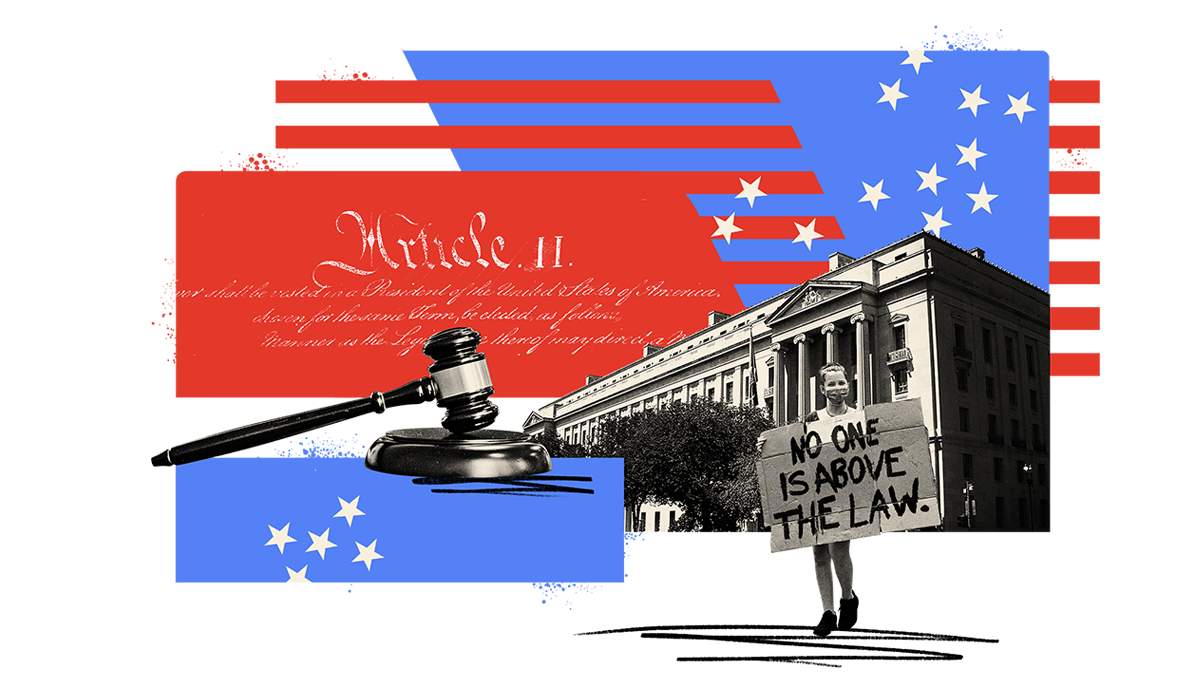
The United States must maintain three co-equal branches of government, each with their own responsibilities.
Would-be authoritarians often abuse their power, using it to eliminate checks and balances, quash dissent, target already marginalized communities, and deepen political divisions.
The Constitution and the laws we have built around it provide tools to constrain authoritarian behavior — but many of the norms and guardrails that help define our democracy are not written into law and are not self-enforcing. Together these restraints must be deployed (and strengthened) to prevent the executive branch from abusing its power and to ensure the law applies equally to everyone, from the most powerful to the least.
- Uphold the principle that nobody is above the law.
- Ensure meaningful checks and balances on executive power.
- Stop abuses that target marginalized groups and their ability to participate in democracy.
- Protect the ability of the public and the press to voice dissenting views.
- Protect independent, non-politicized law enforcement and civil servant workforces.
Restoring OMB data
Pushing for universal constitutional remedies
We are working with legislators in a number of states on legislation that would allow people to sue any official — federal, state, or local — who violates their constitutional rights.
Related News & Resources
-

The dangers of military intervention in civilian law enforcement
- Stopping the Consolidation of Power
- Research & Analysis
- Reports
-

Safeguarding the role of America’s military lawyers
- Stopping the Consolidation of Power
- Research & Analysis
- White Papers
-
Defending the media against FCC censorship
- Stopping the Consolidation of Power
- Legislation & Policy
- Litigation
-
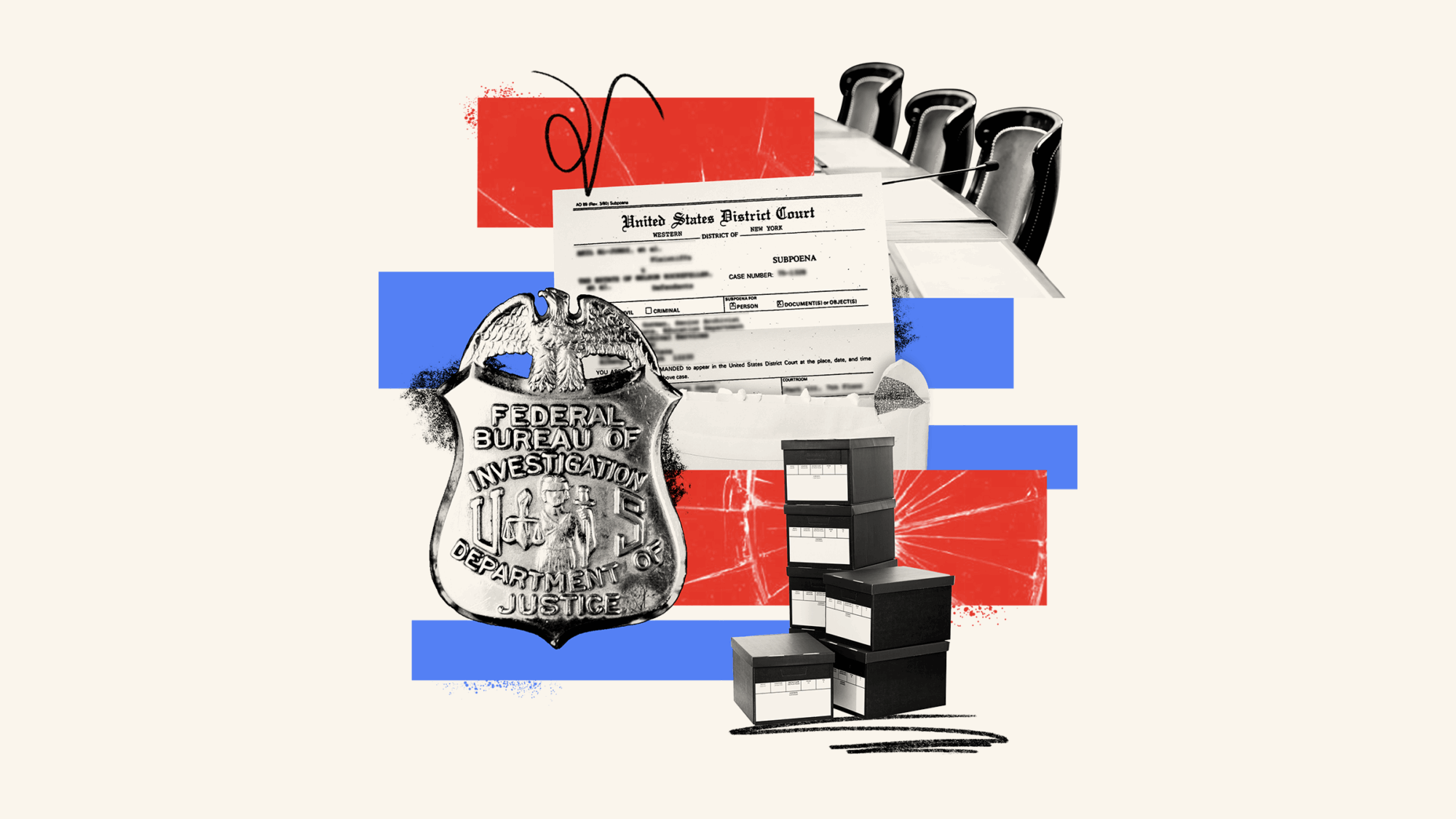
Nonprofit Toolkit: Resources for organizations facing government investigations
- Building Pro-Democracy Collective Action
- Stopping the Consolidation of Power
- Toolkit

Defending Maine communities from federal surveillance and intimidation
September 9, 2026
Protect Democracy is suing the Department of Homeland Security for violating the constitutional rights of Portland residents.

Understanding the National Guard
Today’s National Guard plays dual roles as both a continuation of the earlier state militias and the primary combat reserve of the U.S. Army and Air Force.
November 10, 2026
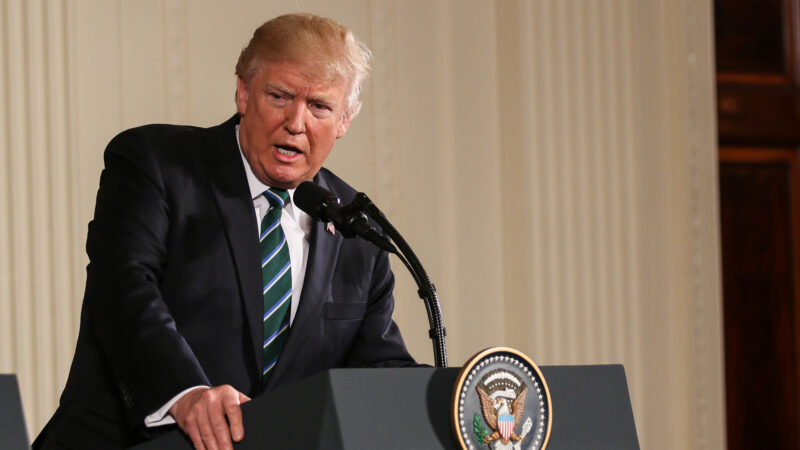
The presidential pardon power, explained
Presidential pardons are subject to various constitutional constraints.
November 7, 2026

The Universal Constitutional Remedies Act, explained
The Universal Constitutional Remedies Act is a state law that allows individuals to sue any official — federal, state, or local — who violates the Constitution in court.
November 4, 2026

Tracking retaliatory use of arrests, prosecutions, and investigations by the Trump administration
How to tell if the Trump DOJ is enforcing the law or retaliating against political enemies.
November 3, 2026
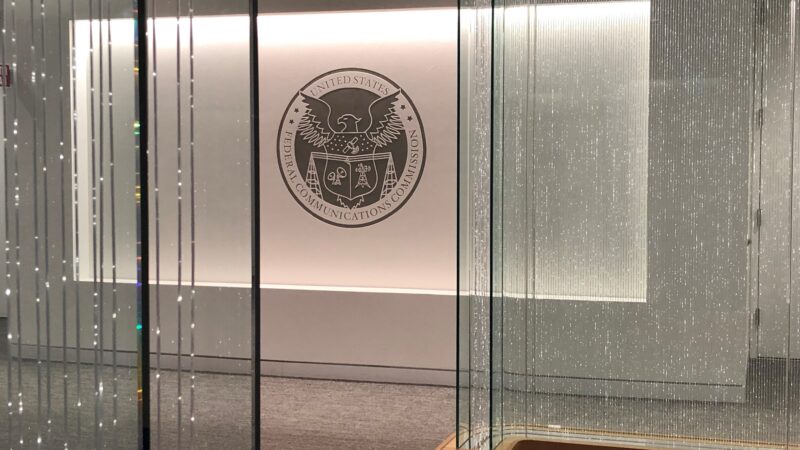
Defending the media against FCC censorship
Protect Democracy and our partners are pursuing legal action to defend the First Amendment and safeguard a free and independent press.
November 1, 2026
Pro-democracy groups stand with Spokane 3, denounce prosecutions as attack on dissent
Twelve national pro-democracy groups published an open letter today in The Seattle Times in support of the Spokane 3, three peaceful protesters convicted in federal court on felony conspiracy charges
October 28, 2026

Pro-democracy groups affirm value of dissent, denounce Spokane prosecutions
12 national pro-democracy groups published an open letter today in The Seattle Times in support of the Spokane 3, three peaceful protesters convicted on federal conspiracy charges.
October 28, 2026

Former high-ranking FCC officials call Carr’s intimidation of broadcasters an outrageous attempt to control information
A bipartisan group of high-ranking former FCC officials released a statement today condemning FCC Chair Brendan Carr’s threats against broadcasters over their reporting on political polls.
October 21, 2026
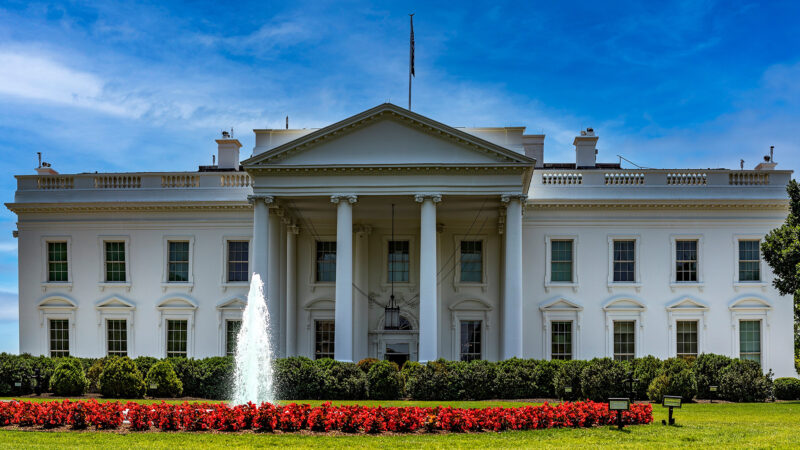
Authoritarianism, explained
Authoritarianism is a method of rule that suppresses political freedoms and civil rights, using various levers of control to shift power from the people to the hands of one ruler or set of rulers.
October 20, 2026
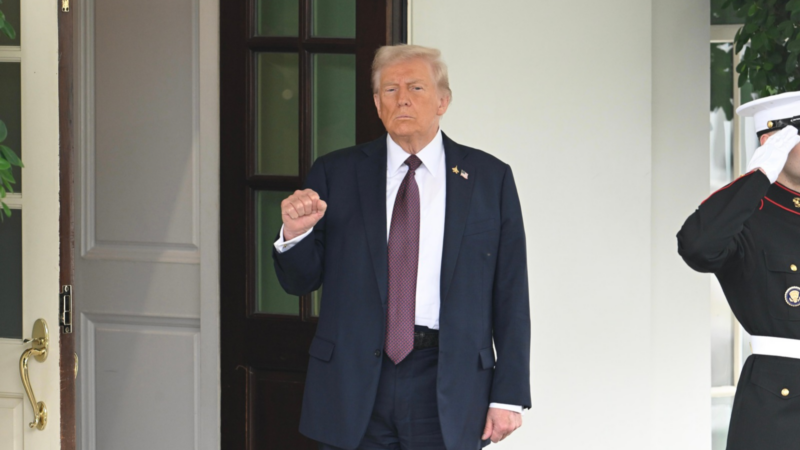
Why emergency powers don’t allow presidents to interfere with elections
Emergency declarations may sound threatening, but even in a scenario where the president is exercising these presidential powers, he will run into real limits.
October 15, 2026