Preventing and deterring election manipulation by elected officials
- July 18, 2019
Free, fair, and regular elections are the cornerstone of democracy. But elections cannot be free and fair when one of the candidates meddles with the rules or unfairly tilts the playing field in their favor. In recent years, there have been alarming incidents of state and federal elected officials exercising improper influence in their own election contests. This abuse of power threatens the integrity of our electoral process and strikes at the heart of American democracy.
Manipulation at the state level
Secretaries of state wield significant power in the administration of elections, which can open the electoral process to abuse. In Kansas, Secretary of State Kris Kobach sparked an ethics crisis when he initially refused to recuse himself from overseeing the recount of the 2018 gubernatorial contest between himself and incumbent governor. That same year, Georgia Secretary of State Brian Kemp, also running for governor, purged voters from the state’s voter rolls, froze 53,000 voter registration applications, and used the official secretary of state website to accuse his opponents, without evidence, of trying to hack the state’s voting system.
Improper influence in elections is not only possible for secretaries of state, as demonstrated in 2018 when Florida Governor Rick Scott instructed a state police agency that he oversaw to investigate county election officials for “rampant fraud” during his campaign for U.S. Senate. The Governor also conducted press event for his campaign from the official governor’s residence and refused to recuse himself from the panel with responsibility for certifying election results – including the results of his own race for U.S. Senate – until he was sued.
These kinds of conflicts of interest are common throughout the U.S. Protect Democracy is engaging with state officials to enact legislative solutions to ensure that elected officials who are running for office do not unduly influence election outcomes.
Manipulation at the federal level
At the federal level, President Trump has repeatedly signaled that he is willing to use his official powers to interfere with U.S. elections. He has:
- Demanded the criminal investigation of political opponents;
- Spread unfounded allegations of voter fraud to justify disenfranchising voters of color;
- Encouraged and endorsed violence toward voters who don’t support his policies;
- Used rhetorical and regulatory tools to silence unfriendly media;
- Stoked fears of “invasion” by black and brown migrants in advance of the midterm elections; and
- Suggested that he will tolerate, or even welcome, foreign interference in our elections.
A sitting president is free to compete in an election following the same rules as other candidates, but he is not free to use the powers of his office to interfere with the rules of that election. Protect Democracy has proposed a set of legislative solutions and is calling on Congress to erect new guardrails to protect our elections from improper interference by the President and any of his successors. Among other measures, Congress should limit the role of federal law enforcement, including immigration officials, around the polls on Election Day, restrict politicized prosecutions of political candidates, and tighten prohibitions on deceiving and intimidating voters.
Key documents
Election manipulation white paper Election manipulation white paper
Press coverage
- Jessica Marsden, Foreign interference is a threat to the 2020 elections — presidential interference is, too, The Hill (June 17, 2019)
- Jessica Marsden, Congress is right to scrutinize charges of voter suppression in Georgia, The Hill (April 19, 2019)
- Ian Bassin, We’re Suing the Florida Governor. He Should Not Oversee His Own Election., The New York Times (Nov. 12, 2018)
Related Content
-
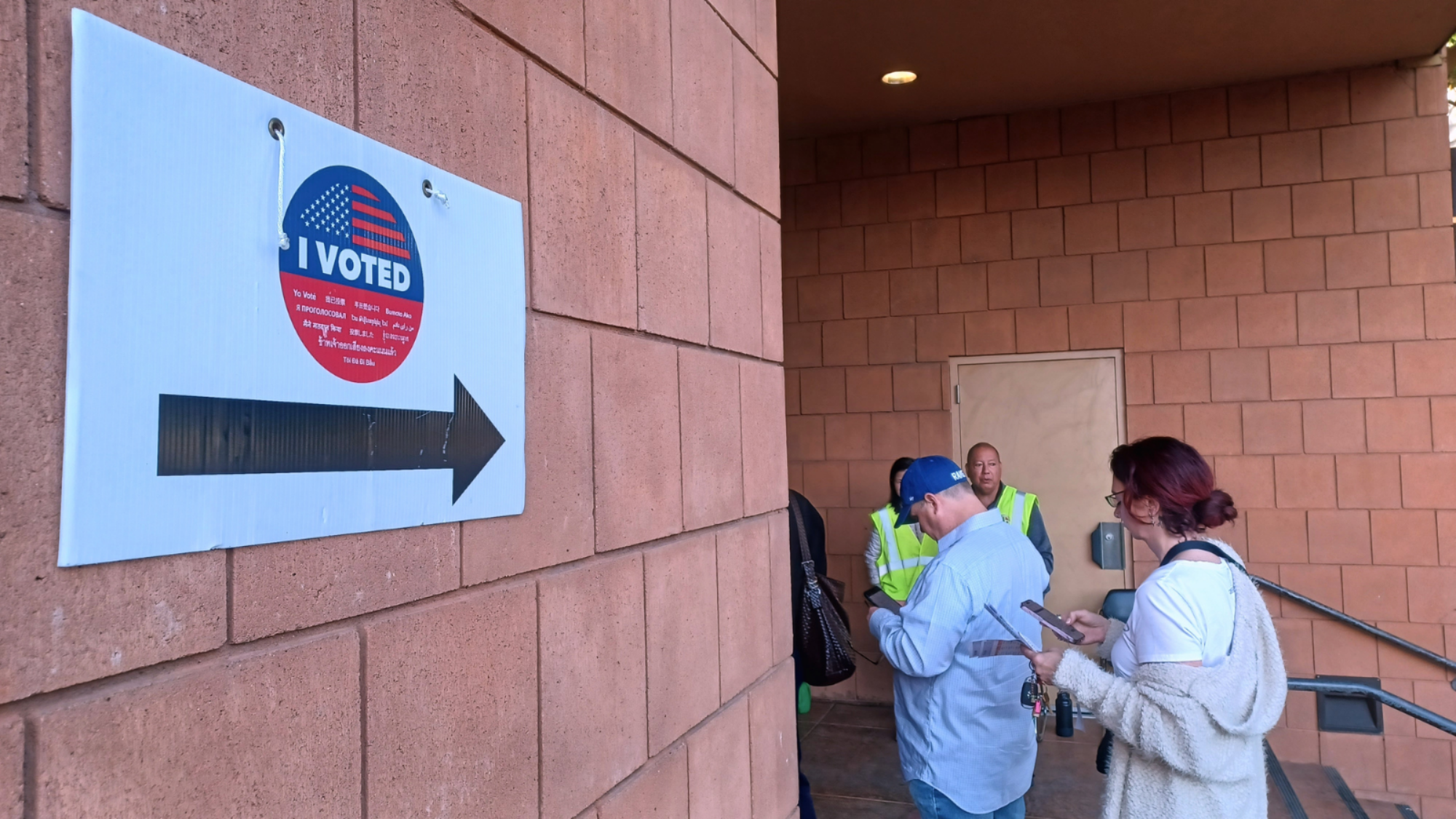
Frequently asked questions about the 2026 midterm elections
- Protecting Elections
- Research & Analysis
- Explainer
-
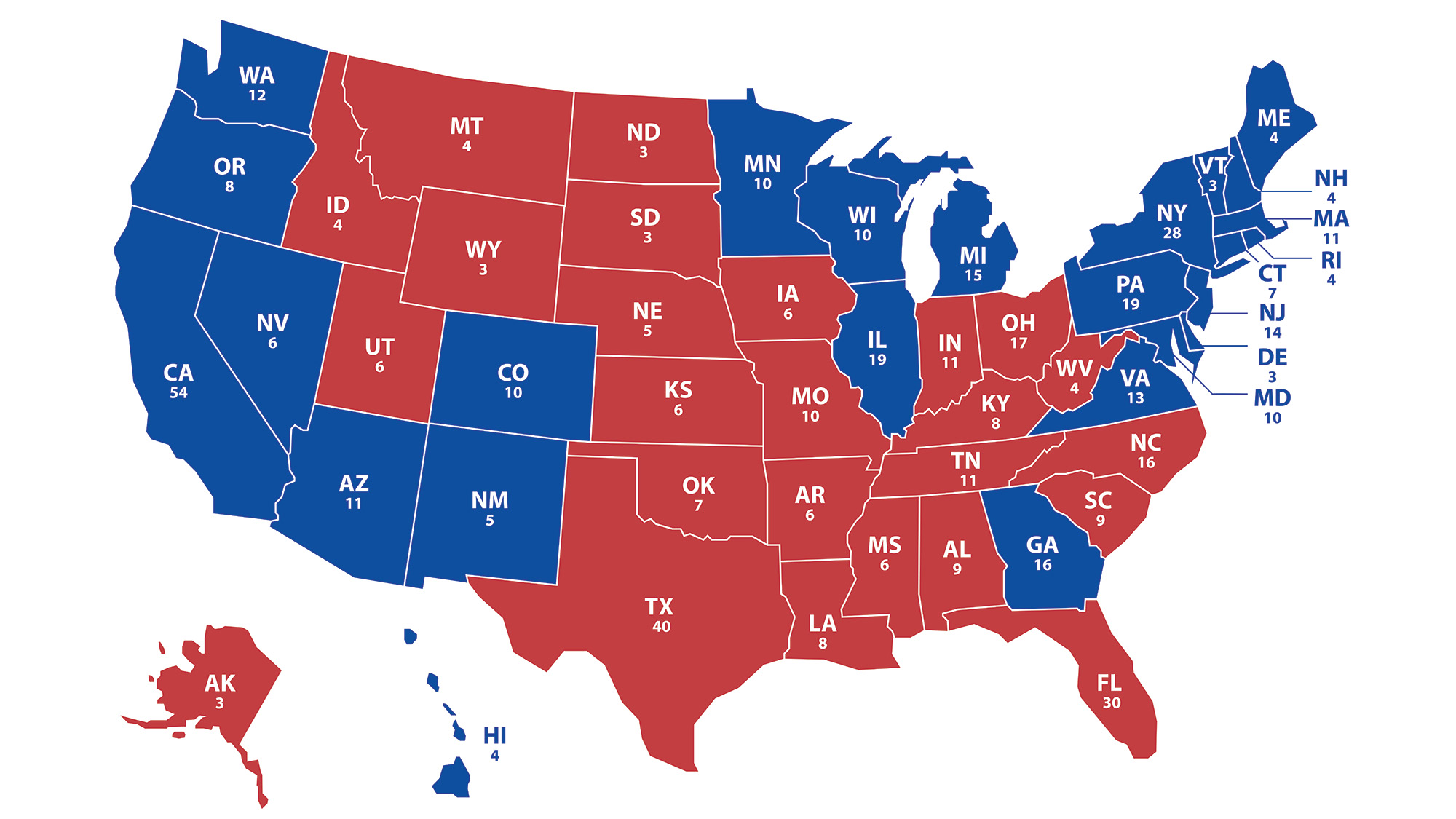
The ‘blue shift’ and ‘red mirage’ in election results, explained
- Protecting Elections
- Research & Analysis
- Analysis
-

DOJ’s attempt to acquire state voter data, explained
- Protecting Elections
- Research & Analysis
- Explainer
-
Understanding federal demands for election records
- Protecting Elections
- Research & Analysis
- Toolkit
Join Us.
Building a stronger, more resilient democracy is possible, but we can’t do it alone. Become part of the fight today.
Donate
Sign Up for Updates Sign Up for Updates
Explore Careers Explore Careers
How to Protect Democracy How to Protect Democracy