Beau leads programs in defense of the rule of law and the free exercise of fundamental constitutional rights, with a focus on politicized and improper uses of the U.S. military and federal law enforcement.
Can federal law enforcement or troops be deployed to the polls?
- October 16, 2026
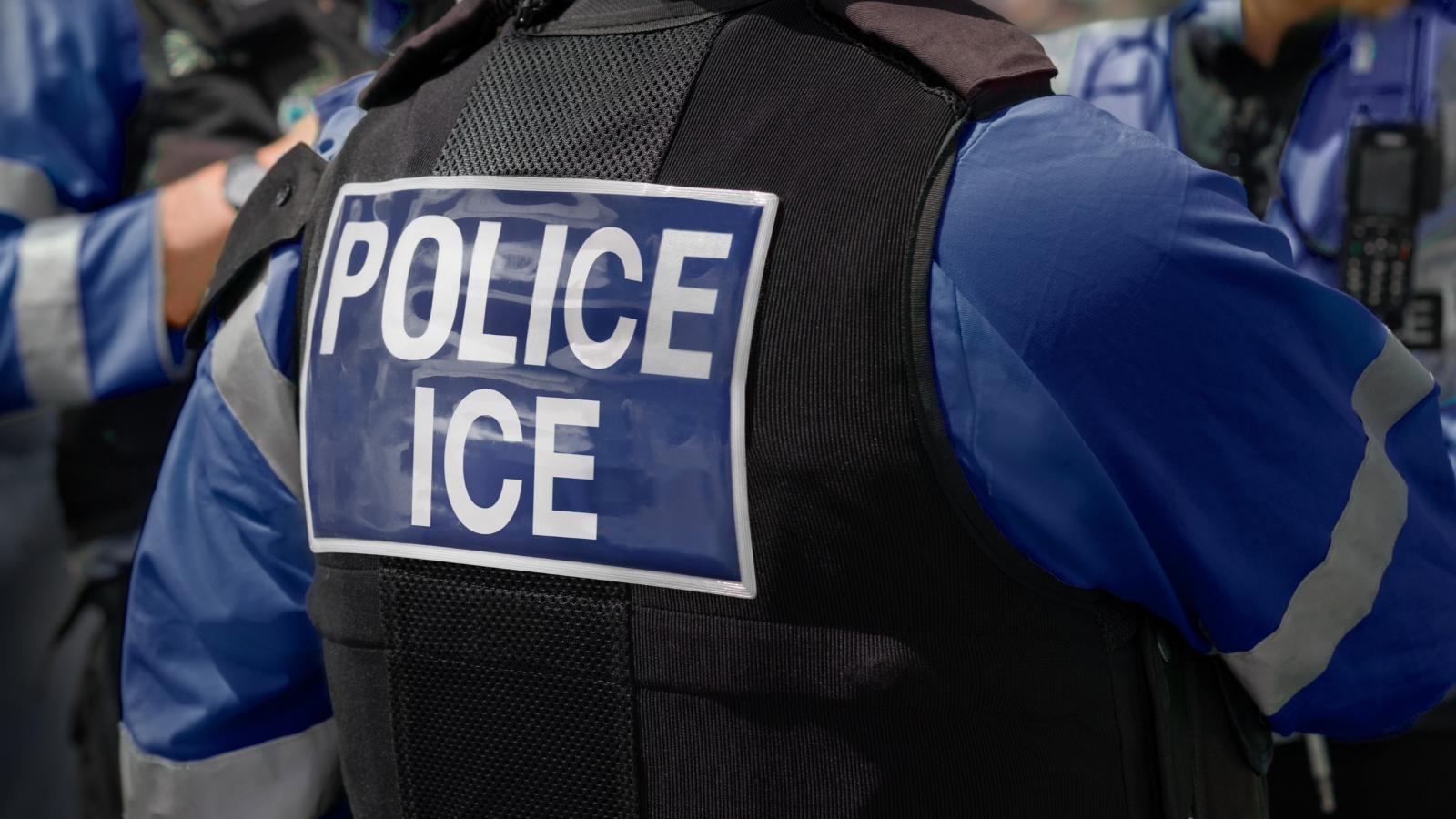
For most of 2026, the Trump administration has put considerable energy behind interfering with the midterm elections. The president has a plan to deceive the public about the election, disrupt the process of campaigning and vote counting, and then deny the results if he doesn’t like the outcome. To date, the administration’s efforts to interfere with the election have largely been a failure.
That’s part of why the administration might use the threat that either law enforcement or troops could be present at polling locations across the country, either to interfere with or to threaten voters who are trying to make their voices heard. This threat to elections is unlikely, but it’s worth understanding exactly why that is. Civil society is mobilizing in unprecedented ways to prepare communities for these scenarios and ensure eligible voters successfully cast their ballots — whether through early voting or otherwise. These deployments are also, with very rare exceptions, illegal. Here’s what you should know:
Can law enforcement be deployed to the polls?
With rare exceptions, federal and state law prohibits deployment of federal law enforcement to polling locations. States are primarily responsible for administering elections and for ensuring security around voting sites. As a result, federal law generally bars the deployment of armed federal law enforcement authorities to voting locations, including armed DHS immigration agents.
As a new paper on federal law enforcement from the National Task Force on Election Crises explains:
“An array of federal and state laws sharply limit the potential use of law enforcement authorities that could affect the conduct of elections. Key federal laws include those:
- Barring armed federal law enforcement agents or military servicemembers at or near polling locations other than to repel armed foreign enemies (18 U.S.C. 592)
- Making voter intimidation a federal crime (18 U.S.C. 594)
- Prohibiting government and private actors from conspiring to intimidate or injure voters in presidential or congressional elections (42 U.S.C. 1985)
- Prohibiting voter intimidation by public or private entities (Section 11(b) of the Voting Rights Act)”
The U.S. and state constitutions provide further protections for voting and elections. Some federal civil staff have election-related duties, such as to enforce provisions of the Voting Rights Act or National Voter Registration Act, but these do not permit interference with voting. State laws provide additional protections, typically including specific limitations on the presence of law enforcement entities at voting sites.
Can troops be deployed to the polls?
A new paper on troop deployment from the National Task Force on Election Crises reaffirms the simple answer: no. With “rare exception, it is a crime for the federal government to bring ‘armed men’ to the polls.” There are specific legal limits on how federal troops can be deployed to polling sites: They can only be there if they are there to repel an actual armed foreign attack.
Those laws are on top of broader legal limits on when the military can be used domestically at all. The Posse Comitatus Act, and other related statutes, explicitly bar federal troops from serving as domestic law enforcement without specific authorization. Further, an array of laws categorically prohibit — without exception — efforts to intimidate, threaten, coerce, or interfere with voters or election officials.
In response to the Trump administration’s efforts to deploy troops domestically (outside of the election context) in 2025, the courts — including the U.S. Supreme Court — effectively blocked the deployments and confirmed that there are strict limits on presidential authority in this context — and critically, that courts have a meaningful role in checking potential abuses. What’s more, servicemembers themselves are subject to an array of criminal laws that prohibit efforts to intimidate, threaten, coerce, or interfere with voters or election officials.
What about the National Guard?
Depending on the circumstances, each state’s National Guard can answer to the federal government, the governor, or a combination of federal and state leaders. Regardless of who they’re answering to, though, members of the National Guard remain subject to legal prohibitions on election interference and voter intimidation.
Understanding the National Guard Understanding the National Guard
In recent elections, state officials have made appropriate use of National Guard personnel in limited circumstances, such as supportive efforts to aid state officials with cybersecurity needs and aid election officials in an unarmed, out of uniform setting.
What about the Insurrection Act?
There are also concerns that the president could invoke the Insurrection Act around the election, as he has threatened to do in the past. The Insurrection Act permits the president to use the federal military domestically, specifically to suppress “any insurrection, domestic violence, unlawful combination, or conspiracy,” or when state and federal law enforcement are unable or unwilling to enforce federal law and the U.S. Constitution.
The Insurrection Act, explained The Insurrection Act, explained
Historically, its use has been limited to severe instances of civil unrest — most notably, during the Civil War and Reconstruction — and to defend the rights of marginalized groups in the face of defiance of court orders, such as during the Civil Rights Movement. Troops deployed under these circumstances are allowed to directly perform civilian law enforcement actions like making arrests, detaining citizens, and enforcing court orders.
However, the Insurrection Act does not suspend the Constitution, impose martial law, or exempt the military from following applicable state and federal laws. Troops deployed under the Insurrection Act would still need to respect First Amendment rights and civil liberties. It also would not override the explicit ban on armed federal troops at election sites.
For all of these reasons, it’s unlikely that we see troops or law enforcement at polling locations. This administration might threaten these kinds of deployments, but they don’t have the authority to see them through.
About the Authors



Related Content
-
Noncitizen voting lies, explained
- Protecting Elections
- Research & Analysis
- Explainer
-
Why emergency powers don’t allow presidents to interfere with elections
- Stopping the Consolidation of Power
- Research & Analysis
- Explainer
-
The SAVE tool, explained
- Protecting Elections
- Research & Analysis
- Explainer
-
Frequently asked questions about the 2026 midterm elections
- Protecting Elections
- Research & Analysis
- Explainer
Join Us.
Building a stronger, more resilient democracy is possible, but we can’t do it alone. Become part of the fight today.
Donate
Sign Up for Updates Sign Up for Updates
Explore Careers Explore Careers
How to Protect Democracy How to Protect Democracy