Protected tens of thousands of voters from disfranchisement, intimidation, suppression, and election manipulation, and secured new precedents around the Ku Klux Klan Act and the Voting Rights Act.
Protecting Free & Fair Elections
Our Work
Without free, fair, and secure elections, voters have no voice, little control over the direction of the country; and few ways to correct course when things go awry.
Elections are the linchpin of our democracy. Holding elections, and ensuring that power changes hands in accordance with their outcomes, is the essence of democratic self-government. By defending them, we also protect our rights and our system of government.
This takes two steps. First, we defend the process of holding elections. We do so by making sure election officials are allowed to do their work without interference; that election systems are secure; and that politicians are unable to dictate the outcome or manipulate election rules.
Second, we protect voters’ ability to participate meaningfully in the process, free from intimidation and harassment.
By ensuring that elections remain free, fair, and secure, we maintain our collective ability to shape the future of the country — or, when needed, to change course. In that, we protect voters’ trust in the results, even when their preferred candidates lose.
- Build secure, accessible, and accurate election systems and processes that are free from interference from foreign adversaries or domestic political actors.
- Create guardrails that ensure voters and candidates abide by the outcomes of every election.
- Foster public confidence in the fact that elections are free, fair, and secure.
Helped defend the 2020, 2022, and 2024 elections from attempts to manipulate and subvert a free and fair result, and assisted in the passage of reforms to the Electoral Count Act.
Related News & Resources
-
How to spot (and push back against) federal voter intimidation
- Building Pro-Democracy Collective Action
- Protecting Elections
- Research & Analysis
- Toolkit
-
Protecting voter privacy and the integrity of U.S. elections
- Protecting Elections
- Litigation
- Case Documents
-
Election certification, explained
- Protecting Elections
- Research & Analysis
- Explainer
-
Stopping the disenfranchisement of military and overseas voters in North Carolina
- Protecting Elections
- Litigation
- Case Documents
Deceive, Disrupt, Deny in full effect
The last four months have seen the president's election interference strategy accelerate, even as resistance to that strategy has kept pace.
July 14, 2026

Can federal law enforcement or troops be deployed to the polls?
Law enforcement or troops at the polls is unlikely, but it’s worth understanding exactly why that is. Civil society is mobilizing in unprecedented ways to prepare.
October 16, 2026
Noncitizen voting lies, explained
Viral lies about noncitizen voting are straight out of the election subversion playbook.
October 16, 2026
The SAVE tool, explained
The use of the SAVE tool are part of a larger effort to weaponize government data and tilt the 2026 elections before a single ballot is cast.
October 14, 2026
Frequently asked questions about the 2026 midterm elections
No, President Trump cannot cancel the 2026 midterm elections, but he is doing everything he can to interfere with them.
October 14, 2026
Federal court rules DOJ data demands violate voter privacy & states’ election authority
The court’s decision protects eligible voters’ freedom to cast a ballot without fear that their personal information will be misused.
October 9, 2026
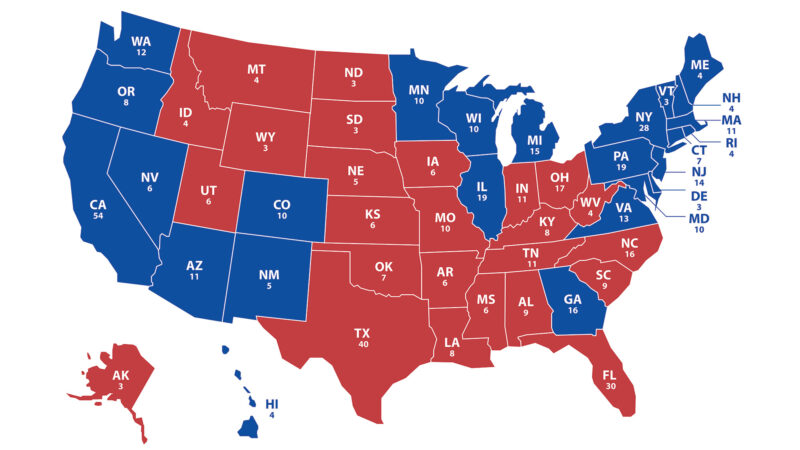
The ‘blue shift’ and ‘red mirage’ in election results, explained
The terms refer to a phenomenon where the proportion of votes counted for Democratic candidates increases as votes continue to be tabulated.
October 1, 2026

DOJ’s attempt to acquire state voter data, explained
DOJ's efforts to acquire state voter data are laying the groundwork for purges of eligible voters, election subversion, and the invasion of fundamental privacy rights.
October 1, 2026
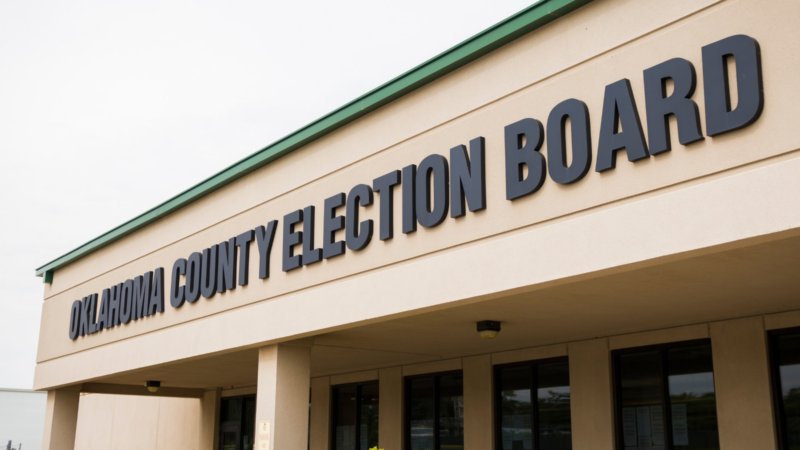
Understanding federal demands for election records
State overviews for election officials and government attorneys on what the law says and suggestions on how to prepare ahead of the midterms.
September 30, 2026
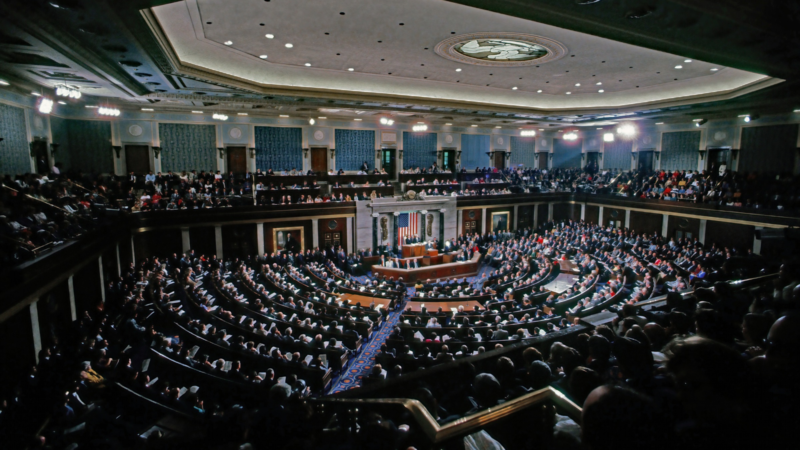
How does Congress seat election winners?
Congressional seating is decided by the voters, and the system is built — through law, precedent, the courts, and democratic accountability — to make sure winners are seated.
September 29, 2026

Gen Z Toolkit: Responding to youth voter disenfranchisement
Not all election threats are created equal — here’s how to spot the difference.
September 29, 2026